India’s US‑Bound Exports Jump 20% Despite Steep Tariffs, Spotlighting Unexpected Trade Resilience
New Delhi | December 21, 2025
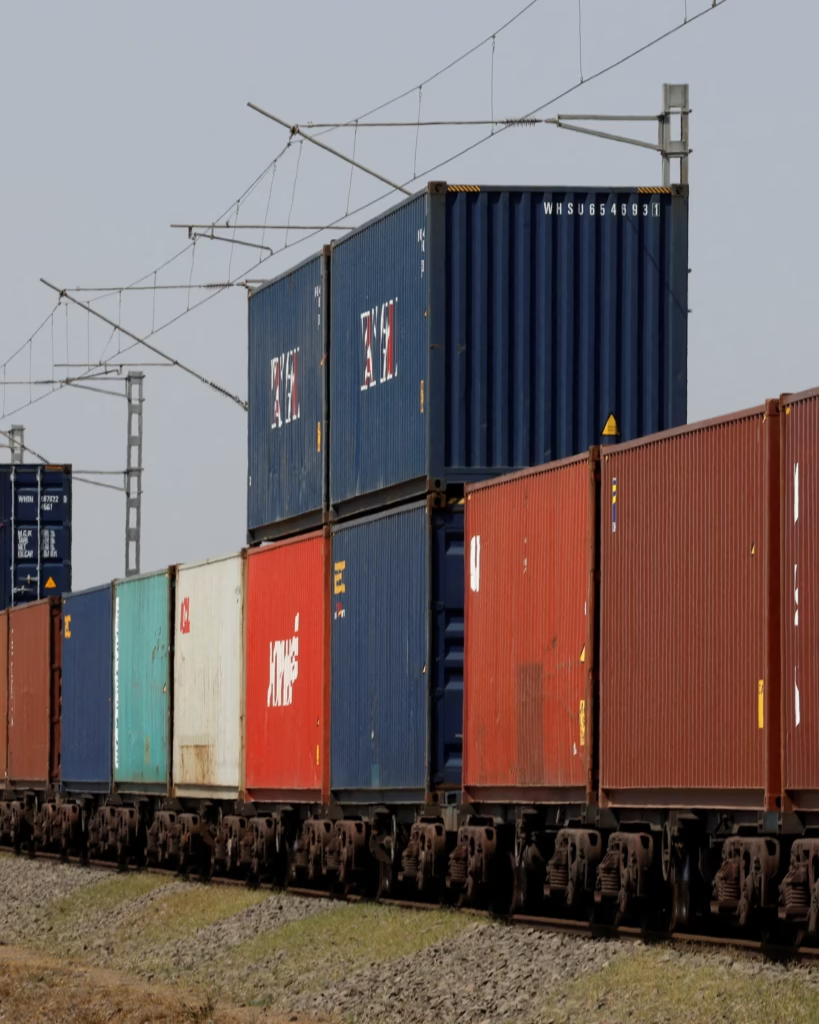
India’s merchandise exports to the United States surged by more than 20 percent in November, defying steep tariff barriers and offering New Delhi fresh leverage in ongoing trade negotiations with Washington. The unexpected rise has prompted economists and policymakers to re‑examine the durability of India’s export ecosystem amid global protectionist pressures.
According to newly released government trade data, shipments to the US climbed roughly 22–23 percent year‑on‑year in November, even as American tariffs on several Indian goods remain elevated—some reaching an additional 50 percent under recent US trade measures.
The US continues to be India’s largest export destination, and the latest figures show that demand for Indian engineering goods, electronics, and select manufacturing categories remained robust despite the tariff environment.
A Surge Against the Odds
India’s overall exports grew 19.4 percent in November, reaching $38.1 billion, the fastest pace in more than three years. Exports to the US outpaced even this strong national average, rising to an estimated $7 billion for the month.
The growth comes at a time when many economies are struggling to shield their export sectors from the impact of steep US tariffs introduced under President Donald Trump’s trade agenda. Analysts note that India’s performance stands out globally, particularly given the scale of tariff increases on certain categories of Indian goods.
A detailed analysis by Al Jazeera found that despite a 50 percent tariff on select items, India’s exports to the US still grew by more than one‑fifth in November, underscoring a surprising resilience in bilateral trade flows.
Why Are Exports Rising Despite Tariffs?
Trade experts point to several factors:
- Diversification of export markets and product lines, reducing dependence on a narrow set of goods vulnerable to tariffs.
- Strong US consumer demand, particularly in electronics, engineering goods, and specialty manufacturing.
- Supply chain realignments, with some US buyers shifting away from China and toward India as part of broader de‑risking strategies.
- Government support measures, including credit guarantees, export promotion missions, and targeted engagement with Washington to mitigate tariff impacts.
The Commerce Ministry told Parliament this month that India is pursuing a “multi‑pronged strategy” to counter US tariff pressures, including negotiations for a more balanced bilateral trade agreement and efforts to boost domestic competitiveness.
Trade Deficit Narrows as Imports Dip
The export surge coincided with a 2 percent decline in imports, narrowing India’s trade deficit to $24.6 billion, the lowest level since June. The combination of rising exports and easing import bills has provided the government with breathing room as it navigates a complex global trade landscape.
Implications for India–US Trade Talks
The stronger‑than‑expected export performance has shifted the dynamics of India’s ongoing trade discussions with the US. Reuters reported that the surge has given New Delhi “greater leverage” in negotiations, reducing pressure to accept a quick deal on Washington’s terms.
“India’s ability to withstand tariff shocks strengthens its bargaining position,” said a senior trade analyst in New Delhi. “It signals that the country’s export base is maturing and becoming more adaptable.”
Looking Ahead
While the November numbers are encouraging, economists caution that sustained growth will depend on:
- The trajectory of US tariff policy in 2026
- India’s ability to continue diversifying export destinations
- Global economic conditions, particularly in the US and China
- Domestic reforms aimed at improving manufacturing competitiveness
Still, the latest data suggests that India’s export engine is more resilient than many had predicted at the height of tariff tensions.