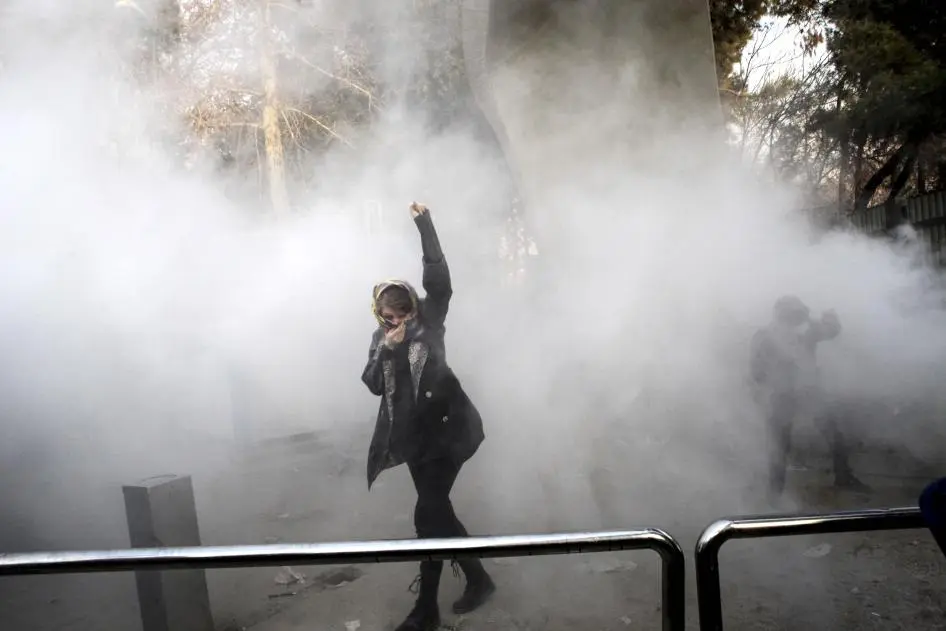
Iran’s government is facing mounting international condemnation after human rights organisations, exiled activists and families of detainees accused authorities in Tehran of carrying out mass arrests, systematic torture and a surge in executions in the months following widespread anti-government protests.
The allegations, which Iranian officials deny, centre on a sweeping crackdown that began after demonstrations erupted across the country in response to economic hardship, political repression and long-standing grievances over civil liberties. Rights groups say the scale of the state response has reached levels not seen in years.
Thousands Reportedly Detained
Human rights monitors estimate that several thousand people have been detained since the protests began, including students, journalists, labour organisers and ordinary citizens who participated in or were suspected of supporting the demonstrations.
Families of detainees have reported that many were taken without warrants, held in undisclosed locations and denied access to legal representation.
Some relatives say they were not informed of their loved ones’ whereabouts for weeks, describing the experience as “psychological torture” in itself.
Claims of Torture and Coerced Confessions
Multiple advocacy groups have documented testimonies from former detainees who allege they were subjected to beatings, electric shocks, prolonged solitary confinement and threats against family members.
Several individuals claim they were forced to sign confessions under duress, which were later used in court proceedings.
Legal experts note that Iran’s revolutionary courts have a long history of accepting coerced confessions and conducting trials behind closed doors, often lasting only minutes.
Spike in Executions Raises Alarm
Perhaps most alarming to observers is the reported increase in executions.
Rights organisations say that dozens of protesters have been sentenced to death on charges ranging from “enmity against God” to “corruption on Earth”—broadly defined offences frequently used in politically sensitive cases.
Some executions have reportedly been carried out with little or no public notice, prompting fears that more may be imminent.
Government Denials and Counterclaims
Iranian authorities have dismissed the allegations as “fabrications” designed to undermine national stability. Officials insist that those arrested were involved in violent acts, including attacks on security forces, and that all judicial proceedings have followed the law.
State media has portrayed the protests as foreign-backed attempts to destabilise the country, a claim that activists and analysts say lacks evidence.
International Response Intensifies
Governments across Europe, North America and parts of Asia have issued statements condemning the reported abuses. Several countries have called for independent investigations and threatened additional sanctions targeting Iranian officials and security agencies.
The United Nations has expressed “deep concern” and urged Tehran to uphold its human rights obligations, including the right to peaceful assembly and fair trial standards.
Families Plead for Transparency
Inside Iran, families of detainees continue to gather outside prisons and courthouses, demanding information about their loved ones. Videos shared online show mothers holding photographs of their children, pleading for their release or at least confirmation of their condition.
Despite the risks, activists say these families have become a symbol of resilience in the face of state repression.
A Nation on Edge
Analysts warn that the government’s heavy-handed response may deepen public anger and further erode trust between citizens and the state.
With economic pressures mounting and political tensions simmering, many fear that Iran could be entering a prolonged period of instability.
For now, the allegations of mass arrests, torture and executions continue to fuel international scrutiny, leaving Tehran under growing pressure to provide transparency and accountability.
