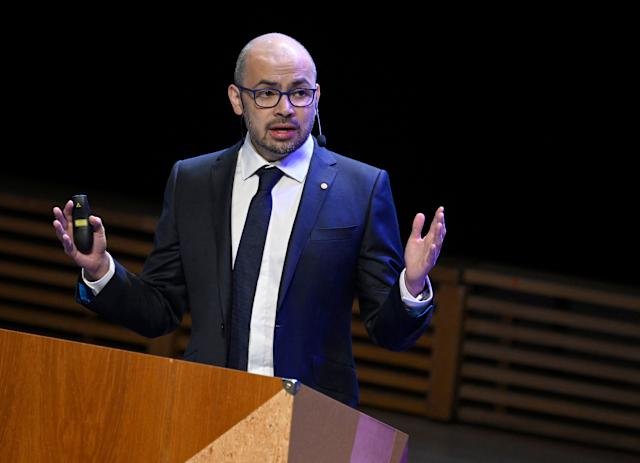

A sharp call for accelerated global research into the risks posed by artificial intelligence dominated discussions at the AI Impact Summit in Delhi, where Sir Demis Hassabis, CEO of Google DeepMind, warned that the world is running out of time to build safeguards around rapidly advancing AI systems.
A Growing Sense of Urgency
Speaking in an exclusive interview, Sir Demis stressed that the industry must urgently deepen its understanding of AI threats and develop “smart regulation” to address them. He highlighted two primary concerns:
- The misuse of AI by malicious actors
- The possibility of losing control over increasingly autonomous systems
He described the challenge facing policymakers as unprecedented, noting that regulators are struggling to keep pace with the speed of AI development.
Global Governance Debate Intensifies
The Summit, attended by delegates from more than 100 countries, revealed a widening divide over how AI should be governed. While many leaders and experts called for coordinated global oversight, the United States firmly rejected the idea.
Michael Kratsios, White House technology adviser and head of the U.S. delegation, argued that global governance would hinder innovation, stating that AI “cannot lead to a brighter future if it is subject to bureaucracies and centralised control.”
This stance places the U.S. at odds with several other major players, including the UK and India, who emphasised the need for international cooperation.
Tech Leaders Echo the Warning
OpenAI CEO Sam Altman joined Sir Demis in urging swift regulatory action, while Indian Prime Minister Narendra Modi called on nations to work together to ensure AI benefits humanity. UK Deputy Prime Minister David Lammy added that responsibility for AI safety must be shared between governments and technology firms, insisting that “security and safety must come first.”
Race for AI Dominance
Sir Demis also addressed the geopolitical race for AI supremacy, noting that while the U.S. and Western nations currently hold a slight lead over China, the gap could close within months. He acknowledged the immense responsibility carried by companies like DeepMind, saying they must balance innovation with caution. “We don’t always get things right,” he admitted, “but we get it more correct than most.”
A Call for Bold but Responsible Progress
Despite the concerns, Sir Demis expressed optimism about AI’s transformative potential, predicting that the technology will become a “superpower” over the next decade. However, he reiterated that without urgent research and robust guardrails, the risks could overshadow the benefits.
As the Summit draws to a close, the world remains divided on how best to manage AI’s rapid rise — but united in recognising that the stakes have never been higher.