
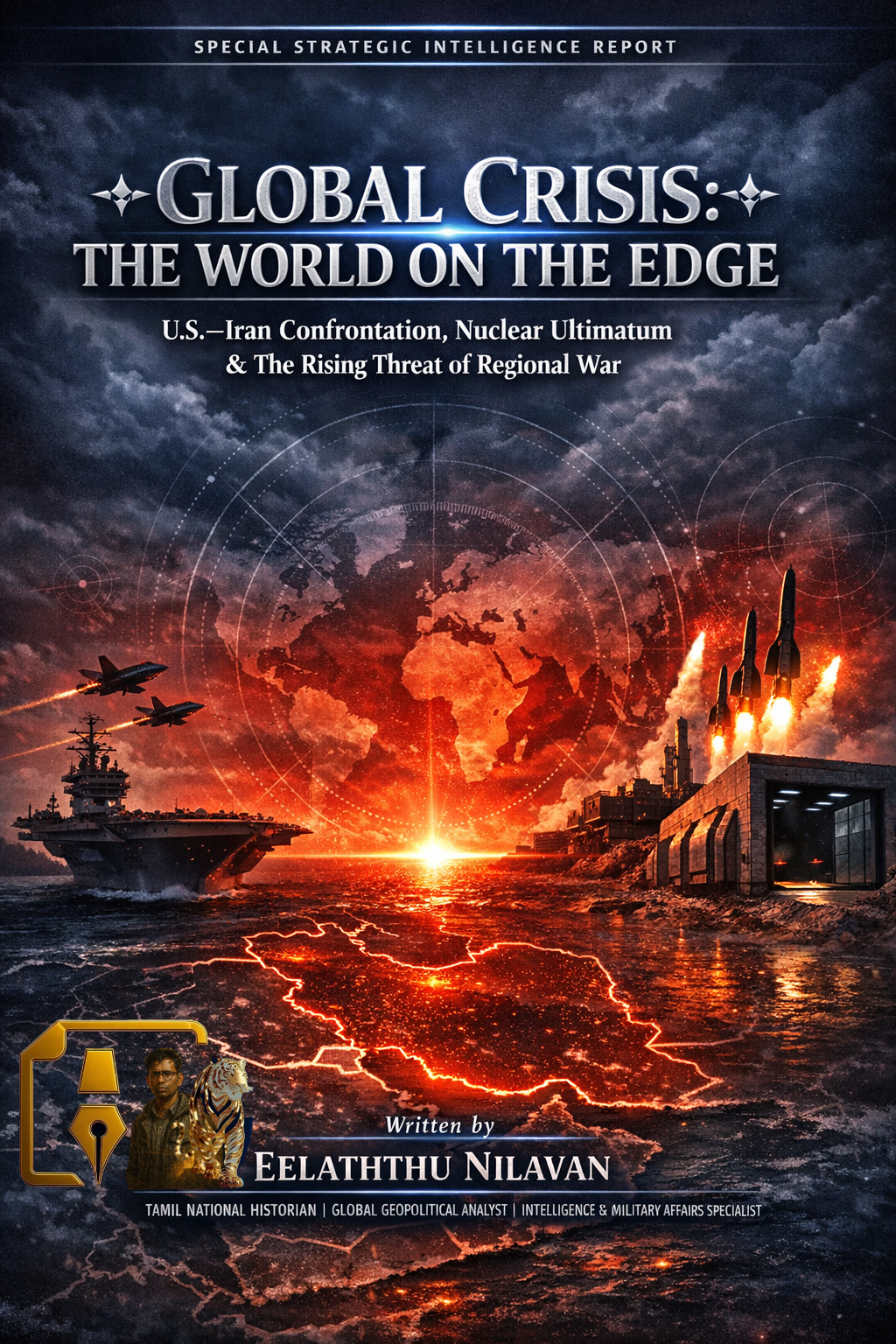
▌𝗨.𝗦.–𝗜𝗿𝗮𝗻 𝗦𝘁𝗮𝗻𝗱𝗼𝗳𝗳, 𝗡𝘂𝗰𝗹𝗲𝗮𝗿 𝗨𝗹𝘁𝗶𝗺𝗮𝘁𝘂𝗺, 𝗮𝗻𝗱 𝘁𝗵𝗲 𝗥𝗶𝘀𝗸 𝗼𝗳 𝗮 𝗥𝗲𝗴𝗶𝗼𝗻𝗮𝗹 𝗪𝗮𝗿

𝗧𝗵𝗲 𝗨𝗹𝘁𝗶𝗺𝗮𝘁𝘂𝗺 𝗧𝗵𝗮𝘁 𝗦𝗵𝗼𝗼𝗸 𝘁𝗵𝗲 𝗪𝗼𝗿𝗹𝗱
The geopolitical temperature has surged after Donald Trump issued a blunt 10–15-day deadline demanding that Iran agree to strict nuclear restrictions. His core demand—zero enrichment capability—represents one of Washington’s hardest negotiating lines in decades.
Trump signaled that failure to comply could trigger military action, warning that Iran “cannot have a nuclear weapon.” The compressed timeline has alarmed diplomats globally because ultimatums shorten negotiation space and increase miscalculation risk.
𝗠𝗶𝗹𝗶𝘁𝗮𝗿𝘆 𝗕𝘂𝗶𝗹𝗱𝘂𝗽 𝗼𝗻 𝗮 𝗛𝗶𝘀𝘁𝗼𝗿𝗶𝗰 𝗦𝗰𝗮𝗹𝗲
The United States has assembled one of its largest regional force concentrations since the Iraq War era. Two carrier strike groups now anchor the deployment, supported by stealth aircraft, electronic-warfare jets, airborne command platforms, and missile-defense systems positioned across Gulf allies.
Strategically, this force structure suggests preparation for three simultaneous objectives:
• neutralizing Iranian air defenses
• striking hardened nuclear sites
• intercepting retaliatory missile attacks
Military analysts note that such layered deployments are characteristic of pre-conflict positioning rather than routine deterrence patrols.
𝗜𝗿𝗮𝗻’𝘀 𝗗𝗲𝗳𝗶𝗮𝗻𝘁 𝗦𝘁𝗮𝗻𝗰𝗲
Iranian President Masoud Pezeshkian has rejected the ultimatum tone, insisting the country will not “bow its head.” Tehran is reportedly:
• relocating sensitive nuclear materials underground
• activating ballistic-missile forces
• deploying naval ambush platforms
• conducting live-fire drills near the Strait of Hormuz
Iran’s doctrine relies heavily on asymmetric retaliation—swarm drones, fast boats, mines, and missiles designed to overwhelm technologically superior forces.
𝗧𝗵𝗲 𝗙𝗼𝗿𝗱𝗼𝘄 𝗙𝗮𝗰𝘁𝗼𝗿
At the center of potential strike planning is the Fordow nuclear facility, a uranium-enrichment site buried deep inside rock. Its depth makes it resistant to conventional bombing and has driven speculation that any attempt to destroy it would require specialized bunker-penetrating weapons.
Because Fordow is heavily fortified, targeting it would signal a major escalation step—one typically associated with a full-scale campaign rather than a limited strike.
𝗥𝘂𝘀𝘀𝗶𝗮’𝘀 𝗚𝗮𝗺𝗯𝗶𝘁: 𝗧𝗵𝗲 𝗨𝗿𝗮𝗻𝗶𝘂𝗺 𝗢𝗳𝗳𝗲𝗿
Russia has inserted itself as a potential mediator. State nuclear firm Rosatom says it is ready to accept Iranian enriched uranium under an international framework.
Foreign Minister statements from Moscow warn of nuclear-incident risks if facilities are struck, positioning Russia as both crisis stabilizer and strategic stakeholder. President Vladimir Putin appears to be leveraging the proposal to expand diplomatic leverage in the Middle East while counterbalancing U.S. influence.
𝗠𝗼𝘀𝗰𝗼𝘄–𝗧𝗲𝗵𝗿𝗮𝗻 𝗠𝗶𝗹𝗶𝘁𝗮𝗿𝘆 𝗖𝗼𝗼𝗽𝗲𝗿𝗮𝘁𝗶𝗼𝗻
Joint naval drills involving Iran, Russia, and China in the Gulf of Oman highlight a growing security alignment. These exercises reportedly included simulated ship seizures and coordinated targeting drills.
Strategically, such exercises serve multiple purposes:
• signaling deterrence to Washington
• demonstrating interoperability
• testing joint command structures
The optics alone complicate U.S. planning because any strike near multinational exercises risks accidental escalation with additional major powers.
𝗜𝘀𝗿𝗮𝗲𝗹’𝘀 𝗪𝗮𝗿 𝗥𝗲𝗮𝗱𝗶𝗻𝗲𝘀𝘀
Israel has reportedly shifted to full military readiness. Israeli doctrine treats Iranian nuclear capability as an existential threat, meaning Jerusalem may act independently if it believes diplomacy is failing.
Historically, Israeli pre-emptive strike doctrine prioritizes rapid, high-precision operations against strategic targets. Coordination with Washington, however, suggests current planning is aligned rather than unilateral.
𝗧𝗵𝗲 𝗖𝗵𝗮𝗴𝗼𝘀–𝗗𝗶𝗲𝗴𝗼 𝗚𝗮𝗿𝗰𝗶𝗮 𝗗𝗶𝘀𝗽𝘂𝘁𝗲
The crisis has spilled into allied politics. Trump criticized UK Prime Minister Keir Starmer over negotiations to transfer sovereignty of the Chagos Islands while leasing the base at Diego Garcia.
Critics, including James Cartlidge, accuse Defence Secretary John Healey of exaggerating legal threats to justify the deal. Washington fears any uncertainty around access to Diego Garcia could restrict strike options or logistics routes in a conflict with Iran.
𝗨.𝗦. 𝗣𝗼𝗹𝗶𝘁𝗶𝗰𝗮𝗹 𝗣𝗿𝗲𝘀𝘀𝘂𝗿𝗲 𝗳𝗼𝗿 𝗔𝗰𝘁𝗶𝗼𝗻
Domestic pressure in Washington is also mounting. Senator Lindsey Graham has publicly advocated regime change, while figures like Reza Pahlavi and analyst Karim Sadjadpour argue the Iranian government is weakening internally.
Such rhetoric increases escalation risk because it signals that some policymakers are considering outcomes beyond deterrence or containment.
𝗧𝗵𝗲 𝗘𝗰𝗼𝗻𝗼𝗺𝗶𝗰 𝗧𝗶𝗺𝗲 𝗕𝗼𝗺𝗯
The greatest global vulnerability lies in energy markets. Any disruption to tanker traffic through Hormuz could send oil prices soaring, potentially triggering:
• inflation spikes worldwide
• stock-market shocks
• supply-chain breakdowns
Because roughly one-fifth of global petroleum passes through that corridor, even temporary closure would reverberate across every major economy.
𝗦𝘁𝗿𝗮𝘁𝗲𝗴𝗶𝗰 𝗔𝘀𝘀𝗲𝘀𝘀𝗺𝗲𝗻𝘁: 𝗪𝗵𝘆 𝘁𝗵𝗶𝘀 𝗖𝗿𝗶𝘀𝗶𝘀 𝗜𝘀 𝗗𝗶𝗳𝗳𝗲𝗿𝗲𝗻𝘁
Unlike previous U.S.–Iran confrontations, the current standoff combines five destabilizing factors simultaneously:
• compressed negotiation timeline
• massive force concentration
• active great-power involvement
• hardened nuclear infrastructure targets
• domestic political pressure on all sides
This combination dramatically narrows diplomatic exit routes.
𝗙𝗶𝗻𝗮𝗹 𝗢𝘂𝘁𝗹𝗼𝗼𝗸: 𝗔 𝗪𝗶𝗻𝗱𝗼𝘄 𝗖𝗹𝗼𝘀𝗶𝗻𝗴 𝗙𝗮𝘀𝘁
The situation now resembles a classic pre-conflict phase: military assets in place, political rhetoric escalating, and negotiations stalled.
If diplomacy fails within the stated deadline, the world could witness one of the most consequential Middle Eastern confrontations of the 21st century—one capable of reshaping global alliances, markets, and security structures overnight.
Strategic Bottom Line:
The crisis is no longer theoretical. It is operational, time-bound, and heavily armed. The next few days—not months—may determine whether the world steps back from the brink or crosses into a new era of great-power confrontation.


Written byEelaththu Nilavan
Tamil National Historian | Analyst of Global Politics, Economics, Intelligence & Military Affairs
22/02/2026
