

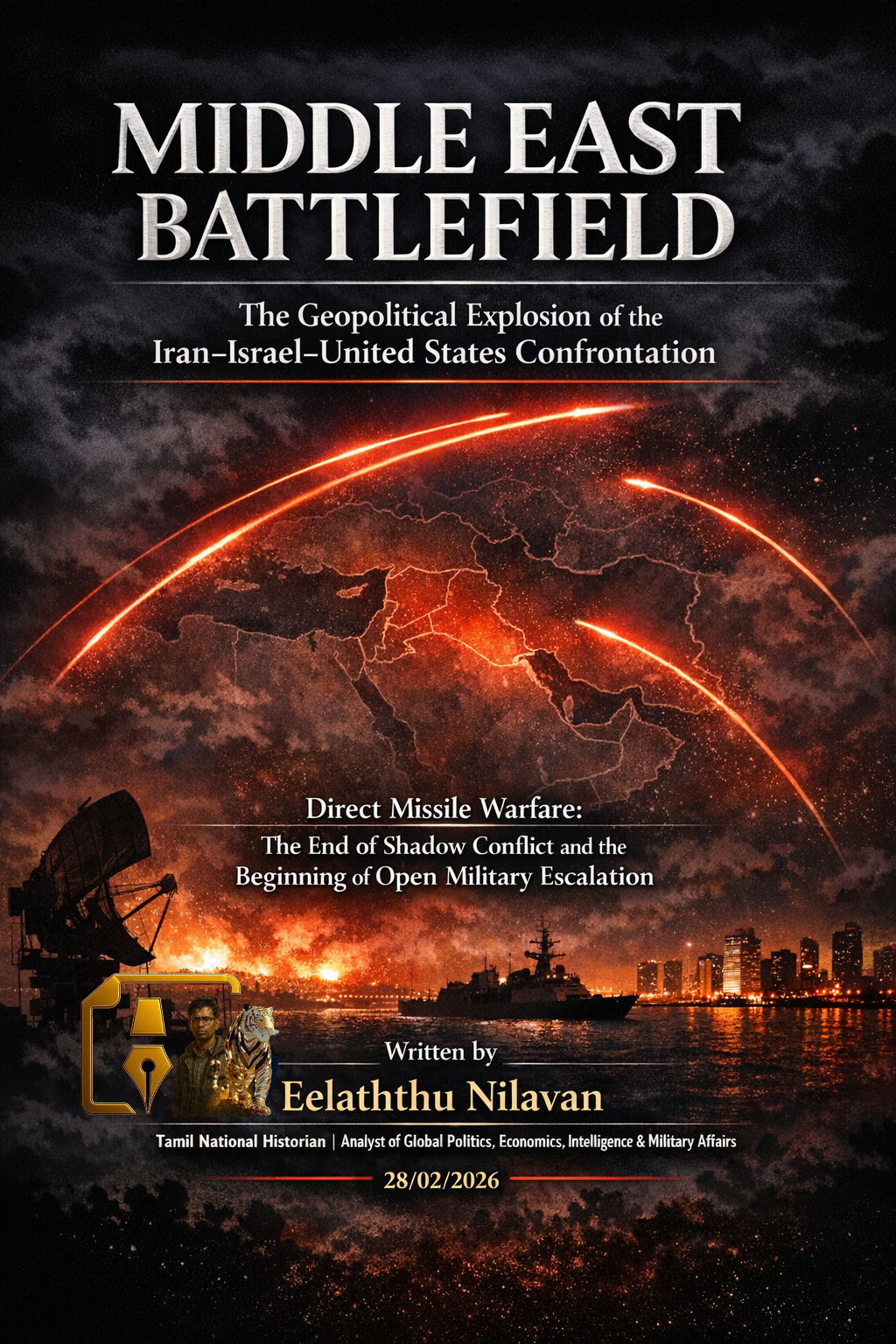
𝑨 𝑫𝒊𝒓𝒆𝒄𝒕 𝑰𝒓𝒂𝒏𝒊𝒂𝒏 𝑨𝒔𝒔𝒂𝒖𝒍𝒕 𝒐𝒏 𝑰𝒔𝒓𝒂𝒆𝒍: 𝑻𝒉𝒆 𝑹𝒖𝒍𝒆𝒔 𝑯𝒂𝒗𝒆 𝑪𝒉𝒂𝒏𝒈𝒆𝒅
The Middle East has entered one of its most volatile chapters in decades after Iran launched a direct wave of ballistic missiles, cruise missiles, and armed drones toward Israel. Approximately 35 ballistic missiles were reportedly fired in a single coordinated wave, marking a dramatic escalation from proxy warfare to overt state-to-state confrontation.
Air raid sirens echoed across Jerusalem and Tel Aviv as Israel’s multi-layered air defense network — including Israel Defense Forces systems such as Iron Dome and David’s Sling — engaged incoming threats. While interceptions were significant, several projectiles penetrated defenses, with debris landing in multiple areas. Casualties remain limited, though injuries and widespread public anxiety have been reported.
This was not symbolic retaliation. It was strategic signaling.

𝑶𝒑𝒆𝒓𝒂𝒕𝒊𝒐𝒏𝒔 𝑬𝒑𝒊𝒄 𝑭𝒖𝒓𝒚 & 𝑹𝒐𝒂𝒓 𝒐𝒇 𝒕𝒉𝒆 𝑳𝒊𝒐𝒏: 𝑻𝒉𝒆 𝑺𝒕𝒓𝒊𝒌𝒆𝒔 𝒐𝒏 𝑻𝒆𝒉𝒓𝒂𝒏
The Iranian barrage followed coordinated U.S.–Israeli preemptive operations targeting military and nuclear-linked infrastructure in Tehran and other major cities. Loud explosions were reported across the capital, with confirmed strikes on defense facilities and sensitive compounds.
In a televised address, Donald Trump confirmed the commencement of “major combat operations” against Iran. The objectives, according to Washington, include:
• Neutralizing missile infrastructure
• Destroying naval capabilities
• Dismantling Revolutionary Guard operational networks
• Preventing Iran from acquiring nuclear weapons
Iranian state media reported that President Masoud Pezeshkian remains safe, though uncertainty surrounds senior leadership structures.
𝑻𝒂𝒓𝒈𝒆𝒕𝒊𝒏𝒈 𝒕𝒉𝒆 𝑷𝒐𝒘𝒆𝒓 𝑪𝒆𝒏𝒕𝒓𝒆: 𝑾𝒉𝒆𝒓𝒆 𝑰𝒔 𝑨𝒍𝒊 𝑲𝒉𝒂𝒎𝒆𝒏𝒆𝒊?
Satellite imagery reportedly shows heavy structural damage at a compound associated with Supreme Leader Ali Khamenei in Tehran. While there is no official confirmation of his status, speculation about leadership relocation has intensified geopolitical uncertainty.
Targeting symbolic leadership sites represents a doctrinal shift. If verified, it would signal that command-and-control decapitation strategies are now on the table.
Such a development would dramatically increase the likelihood of prolonged conflict.
𝑰𝑹𝑮𝑪 𝑹𝒆𝒕𝒂𝒍𝒊𝒂𝒕𝒊𝒐𝒏: 𝑼.𝑺. 𝑩𝒂𝒔𝒆𝒔 𝑼𝒏𝒅𝒆𝒓 𝑻𝒉𝒓𝒆𝒂𝒕
The Islamic Revolutionary Guard Corps launched retaliatory strikes targeting U.S. military installations across the Gulf. Air defenses were activated in:
• Qatar
• Bahrain
• United Arab Emirates
• Saudi Arabia
• Kuwait
Explosions were reported near facilities hosting the U.S. Navy’s Fifth Fleet in Manama. Qatar confirmed missile interception by Patriot systems near Al-Udeid Air Base. The UAE reported one fatality due to falling shrapnel in Abu Dhabi.
Tehran declared these installations “legitimate targets” in what it calls a widening strategic confrontation.
𝑹𝒖𝒔𝒔𝒊𝒂 𝑬𝒏𝒕𝒆𝒓𝒔 𝒕𝒉𝒆 𝑫𝒊𝒑𝒍𝒐𝒎𝒂𝒕𝒊𝒄 𝑩𝒂𝒕𝒕𝒍𝒆𝒇𝒊𝒆𝒍𝒅
Russia strongly condemned the strikes, labeling them a “premeditated act of armed aggression.” Moscow warned of humanitarian, economic, and even radiological consequences if nuclear facilities under IAEA safeguards were compromised.
Former Russian President Dmitry Medvedev accused Washington of using diplomacy as strategic camouflage. He framed the crisis as a long-term civilizational contest, contrasting the historical endurance of Persia with the relative youth of the United States.
Russia has called for immediate diplomatic negotiations under UN frameworks, while implicitly aligning closer to Tehran.
𝑯𝒐𝒖𝒕𝒉𝒊 𝑻𝒉𝒓𝒆𝒂𝒕𝒔 & 𝑹𝒆𝒅 𝑺𝒆𝒂 𝑴𝒂𝒓𝒊𝒕𝒊𝒎𝒆 𝑹𝒊𝒔𝒌𝒔
Iran-aligned Houthi forces in Yemen have announced plans to resume missile and drone attacks on Red Sea shipping routes and Israeli-linked assets. This development threatens:
• Energy corridors
• Commercial maritime routes
• Insurance markets
• Global supply chains
Any sustained disruption in the Strait of Hormuz or Red Sea corridor could trigger severe oil price shocks and economic reverberations worldwide.
𝑨 𝑹𝒆𝒈𝒊𝒐𝒏𝒂𝒍 𝑾𝒂𝒓 𝑺𝒄𝒆𝒏𝒂𝒓𝒊𝒐: 𝑾𝒉𝒂𝒕 𝑪𝒐𝒎𝒆𝒔 𝑵𝒆𝒙𝒕?
The conflict now risks expanding across multiple axes:
• Direct Iran–Israel exchanges
• U.S.–Iran open warfare
• Proxy escalation in Lebanon, Syria, Iraq, and Yemen
• Gulf state entanglement
• Russian diplomatic and strategic counter-moves
Airspace closures across Iraq, Iran, and Israel already reflect the scale of disruption. Civilian aviation and energy markets remain highly vulnerable.
If further missile waves continue, Israel may escalate beyond targeted strikes into broader strategic campaigns. Conversely, if U.S. facilities suffer mass casualties, Washington’s response could dramatically intensify.
𝑪𝒐𝒏𝒄𝒍𝒖𝒔𝒊𝒐𝒏: 𝑨 𝑯𝒊𝒔𝒕𝒐𝒓𝒊𝒄 𝑰𝒏𝒇𝒍𝒆𝒄𝒕𝒊𝒐𝒏 𝑷𝒐𝒊𝒏𝒕
The present confrontation is no longer confined to shadow warfare, covert operations, or proxy battlegrounds. It represents:
• Direct missile exchanges between sovereign states
• Leadership-level targeting
• Open declarations of major combat operations
• Strategic threats to global energy infrastructure
The Middle East stands at a historic inflection point.
Whether this crisis evolves into a contained high-intensity exchange or spirals into a multi-front regional war will depend on the next 72 hours — on missile trajectories, political calculations, and the fragile threshold between deterrence and destruction.

Written by Eelaththu Nilavan
Tamil National Historian | Analyst of Global Politics, Economics, Intelligence & Military Affairs
28/02/2026

