

Table of Contents
A sharp escalation in the Gulf crisis unfolded Monday as Kuwait confirmed that several United States military jets crashed on its territory, while Iran publicly dismissed reports of any renewed diplomatic outreach to Washington. The developments come amid intensifying regional hostilities, mounting casualties, and widening military confrontations across multiple fronts.
US WARPLANES DOWN IN KUWAIT
Kuwait’s Defence Ministry reported that “several” US warplanes crashed inside the country, though all crew members survived the incidents. Verified footage showed thick plumes of smoke rising over Al-Jahra, roughly 32 kilometres west of Kuwait City, after one aircraft was seen descending rapidly before impact. Unconfirmed reports suggested the aircraft involved may have included an F‑15 fighter jet.
The crashes occurred as the United States intensified operations against Iran following a series of deadly confrontations. Smoke was also observed rising from the vicinity of the US Embassy in Kuwait earlier in the day, prompting American officials to urge civilians to avoid the area.
IRAN REJECTS CLAIMS OF NEW TALKS WITH TRUMP
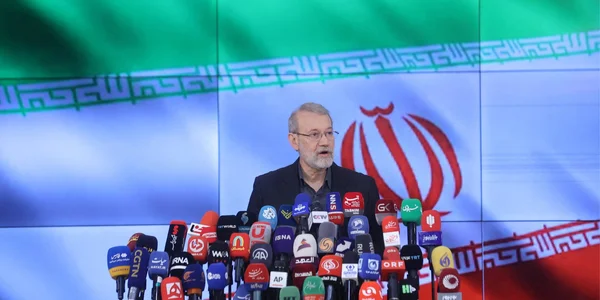
In Tehran, Ali Larijani, secretary of Iran’s National Security Council, firmly denied US media reports suggesting he had initiated a fresh push to resume nuclear negotiations with Washington. Iranian officials reiterated that no talks would occur under what they described as ongoing “aggression” by the US‑Israeli alliance.

The diplomatic freeze comes as Iran reels from devastating strikes that have killed more than 550 people, including Supreme Leader Ayatollah Ali Khamenei, according to Iranian authorities. The Iranian Red Crescent reported at least 555 deaths from joint US‑Israeli attacks across the country.
Iran has since launched retaliatory strikes on US assets throughout the Gulf, further destabilising an already volatile region.
TRUMP VOWS CONTINUED MILITARY PRESSURE
US President Donald Trump warned that American attacks on Iran would continue “until all objectives are achieved,” pledging to avenge the deaths of three US soldiers reportedly killed in recent clashes.
The White House has framed the ongoing operations as necessary to counter Iranian retaliation and to protect US personnel and interests across the region.
REGIONAL FLASHPOINTS EXPAND
The crisis has spilled across multiple borders:
- Israel announced strikes “at the heart of Tehran” and expanded operations in Lebanon after Hezbollah launched a barrage of rockets into northern Israel. Lebanon’s Health Ministry reported more than 30 deaths from Israeli airstrikes in southern Lebanon and Beirut’s southern suburbs.
- Saudi Arabia intercepted two drones targeting the Ras Tanura oil refinery, briefly igniting a fire but causing no civilian casualties.
- Bahrain reported that a vessel in port was struck by two unidentified projectiles, sparking a fire that was later extinguished without casualties.
- Jordan announced a partial daily closure of its airspace due to heightened regional risks.
- UAE authorities confirmed debris fell in Ras Al Khaimah after air defences intercepted a drone, with no injuries reported.
Iran’s Foreign Ministry condemned Israeli strikes on Lebanon as “brutal” and accused the international community of “shameful silence” in the face of repeated violations of Lebanese sovereignty.
A REGION ON THE BRINK
The simultaneous military escalations, diplomatic deadlocks, and widening geographic scope of attacks underscore the fragility of the current moment. With no sign of de‑escalation from any party, the Gulf and its neighbouring states face a rapidly deteriorating security environment.
As the situation evolves, the survival of US aircrew in Kuwait offers a rare moment of relief in an otherwise grim tableau of regional conflict — but the broader trajectory remains perilous.

