

NEW YORK, March 12
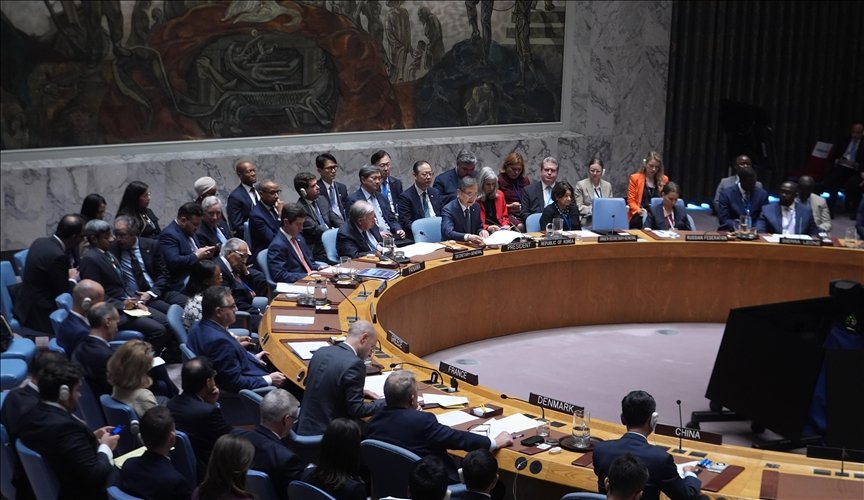
The United Nations Security Council has issued a sharply worded demand calling on Iran to halt what it described as “egregious attacks” targeting Gulf states, marking one of the strongest collective condemnations of Tehran by the Council in recent years. The statement reflects mounting international concern over regional stability, maritime security, and the escalating cycle of retaliation across the Gulf.
🌍 Heightened Tensions in a Volatile Region
The Council’s intervention comes amid a series of incidents attributed to Iran or Iran‑aligned groups, including drone strikes, missile launches, and maritime disruptions affecting commercial vessels in the Gulf and surrounding waterways. Diplomats say these actions have intensified fears of a broader conflict that could threaten global energy supplies and international trade routes.
While the Council did not specify individual incidents in its public statement, several member states referenced recent attacks on infrastructure and shipping lanes that they argue undermine regional security and violate international law.
🛑 A Clear Message from the Security Council
In its formal declaration, the Council urged Iran to “immediately cease all hostile activities” directed at Gulf nations, stressing that such actions “pose a grave threat to peace and stability in the region.” The language—particularly the use of the term “egregious”—signals a rare level of consensus among members who often diverge on Middle East policy.
Diplomatic sources indicate that the statement was the product of intense negotiations, with several permanent members pushing for stronger language to deter further escalation.
🇮🇷 Iran Rejects Accusations
Iranian officials have historically denied involvement in attacks on Gulf states, often framing such allegations as politically motivated or part of broader efforts to isolate Tehran. Although Iran has not yet issued a formal response to the Council’s latest demand, analysts expect Tehran to challenge the narrative and emphasize its own security concerns, including what it views as provocations by regional rivals and foreign powers.
⚓ Maritime Security at the Forefront
The Gulf remains one of the world’s most strategically significant waterways, with a substantial portion of global oil shipments passing through the Strait of Hormuz. Any disruption—whether through military confrontation, sabotage, or geopolitical brinkmanship—has immediate global repercussions.
Security experts warn that continued attacks, even if limited in scale, risk triggering miscalculations that could spiral into a wider conflict involving multiple states and non‑state actors.
🕊️ Calls for Diplomacy and De‑Escalation
Several Council members emphasized the need for renewed diplomatic engagement, urging all parties to exercise restraint and return to dialogue. Regional organizations, including the Gulf Cooperation Council, have echoed these appeals, stressing that stability can only be achieved through sustained political solutions rather than military confrontation.
International observers note that the Council’s statement may serve as a precursor to further diplomatic initiatives, including potential resolutions or special envoy interventions aimed at reducing tensions.
🔎 What Comes Next
The Security Council’s demand places renewed pressure on Iran at a time when regional alliances are shifting, and global powers are recalibrating their Middle East strategies. Whether the statement leads to meaningful de‑escalation—or further entrenches existing divides—will depend on the responses from Tehran, Gulf capitals, and the broader international community in the coming weeks.
