

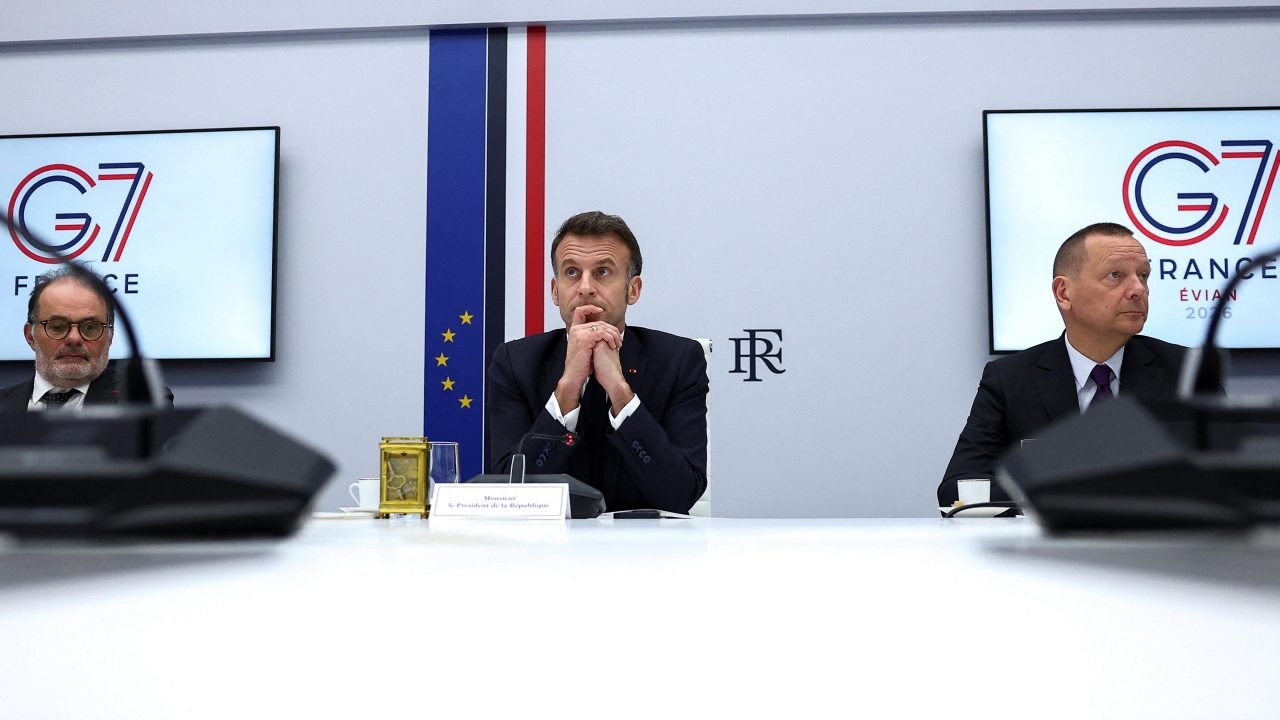
PARIS, March 12 —
France’s President Emmanuel Macron has reaffirmed his opposition to easing sanctions imposed on Russia, signalling that Paris will not support any move that could weaken Europe’s unified response to Moscow’s actions.
In remarks that underscore France’s long‑held position, Macron stressed that sanctions remain a critical diplomatic tool and should not be relaxed without clear, measurable progress from Russia on the issues that led to their imposition. European sanctions were originally enacted in response to Russia’s annexation of Crimea in 2014 and have since expanded due to ongoing concerns over regional security, human rights, and geopolitical tensions.
🇫🇷 A Consistent French Position
Macron has repeatedly argued that sanctions are not an end in themselves but a means to uphold international law and deter further destabilising behaviour. French officials have maintained that lifting restrictions prematurely would undermine both European credibility and the leverage needed to encourage constructive engagement from Moscow.
🇪🇺 European Unity at Stake
The French president’s stance comes at a time when some European voices have floated the idea of revisiting sanctions, citing economic pressures and shifting geopolitical dynamics. Macron’s firm opposition serves as a reminder that any change to the EU’s sanctions regime requires unanimous agreement among member states — a threshold that remains far from being met.
🌍 Broader Geopolitical Implications
Analysts note that Macron’s position reflects a broader strategic calculation: maintaining pressure on Russia while preserving Europe’s collective diplomatic posture. With ongoing tensions in Eastern Europe and continued scrutiny of Russia’s international activities, France’s leadership signals that the EU is unlikely to soften its approach in the near term.
📰 A Measured but Unambiguous Message
While Macron has previously advocated for dialogue with Russia, he has consistently paired that message with a clear insistence on accountability. His latest comments reinforce that dual approach — openness to engagement, but only under conditions that respect international norms and European security interests.
