

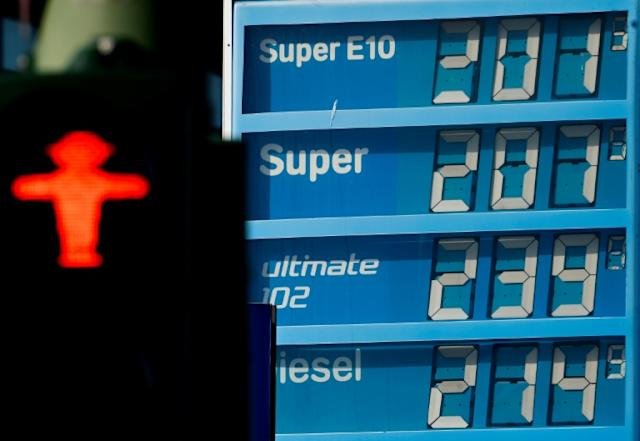
BERLIN, Germany — 18 March 2026
Germany’s petrol prices remain among the highest in the European Union, a trend that economists and industry analysts attribute to a combination of long‑standing tax policies, environmental levies, and market‑driven factors that continue to push fuel costs upward.
According to data regularly published by the European Commission’s Oil Bulletin, Germany consistently ranks near the top of the EU price table for petrol. While wholesale fuel prices across Europe tend to move in similar patterns, the final price paid by drivers varies widely due to national taxes and regulatory choices.
High Taxes Drive the Difference
Germany imposes one of the EU’s heaviest tax burdens on petrol. The final pump price includes:
- Energy tax (Energiesteuer), a fixed charge per litre
- Value‑added tax (VAT) at 19 per cent
- Additional climate‑related levies, including the national carbon price under the Fuel Emissions Trading Act
The carbon price, introduced in 2021 and gradually increased in subsequent years, is designed to encourage a shift toward cleaner transport. Government officials have repeatedly defended the policy, arguing that higher fossil‑fuel costs are necessary to meet climate targets.
“Germany’s fuel taxation structure reflects our commitment to reducing emissions and supporting long‑term energy transition,” a spokesperson for the Federal Ministry for Economic Affairs and Climate Action said in a recent briefing.
Market Conditions Add Pressure
Beyond taxation, Germany’s fuel market is shaped by factors such as refinery capacity, distribution costs, and global oil price fluctuations. The country relies heavily on imported crude oil, making it sensitive to geopolitical tensions and supply disruptions.
Analysts note that Germany’s refining sector, while advanced, is smaller than that of some neighbouring countries. This can lead to higher wholesale prices during periods of tight supply. Transport and logistics costs—especially for regions far from major ports—also contribute to price differences within the country.
Comparisons Across the EU
Countries such as Poland, Bulgaria, and Spain typically report lower petrol prices, largely due to lighter tax regimes. Meanwhile, nations like the Netherlands and Denmark often appear alongside Germany at the higher end of the price spectrum, reflecting similar environmental and fiscal policies.
The European Commission has repeatedly emphasised that member states have full autonomy over fuel taxation, provided they meet minimum EU requirements. As a result, price disparities are expected to persist.
Public Reaction and Policy Debate
High fuel prices remain a politically sensitive issue in Germany, particularly for rural residents and commuters who rely on private vehicles. Consumer groups have urged the government to consider temporary tax relief, especially during periods of global price spikes.
However, climate policy advocates argue that maintaining higher petrol prices is essential for encouraging investment in public transport, electric vehicles, and alternative fuels.
For now, Germany shows no sign of reversing its approach. Officials maintain that the combination of environmental goals and fiscal policy will continue to shape fuel prices—keeping them higher than in much of the EU, but aligned with the country’s long‑term strategy for reducing emissions and dependence on fossil fuels.
