
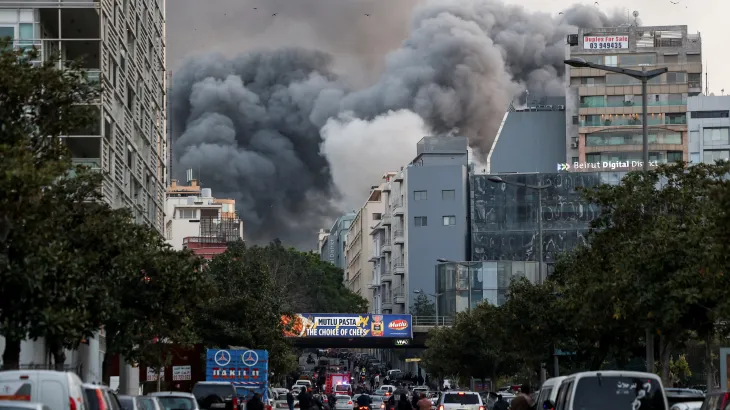
DOHA, Qatar — March 19, 2026 — Iranian missile strikes on major energy installations in Qatar and Saudi Arabia have intensified regional tensions, prompting strong diplomatic backlash and renewed fears over the stability of global energy supplies.
Qatar confirmed that its Ras Laffan Industrial City — the world’s largest liquefied natural gas (LNG) production hub — suffered “extensive damage” after being struck by an Iranian ballistic missile late Wednesday. Emergency crews contained fires at the site, and authorities reported no casualties.
The attack followed a warning issued by Iranian state media that oil and gas facilities across the Gulf had become “direct and legitimate targets” in retaliation for earlier strikes on Iran’s South Pars gas field, which Tehran blamed on Israel.
Saudi Arabia Reports Interceptions, Says Trust in Iran ‘Gone’
Saudi officials said their air defences intercepted four ballistic missiles aimed at Riyadh and thwarted a drone attack on a gas facility in the country’s east. While no major damage was reported, the strikes prompted a sharp response from the Saudi government.
Riyadh stated that “the little trust that remained in Iran has been completely shattered,” signaling a hardening stance as Gulf states brace for potential further escalation.
Saudi Foreign Minister Prince Faisal bin Farhan Al Saud later warned that the kingdom’s patience was “not unlimited,” adding that Saudi Arabia reserved the right to take military action if attacks continued.
Qatar Expels Iranian Officials
In a rare diplomatic move, Qatar ordered Iranian security and military attachés to leave the country following the missile strike. Doha condemned the attack as a “flagrant violation” of its sovereignty and urged Iran to halt operations targeting civilian energy infrastructure.
Qatar’s Ministry of Interior said fires at Ras Laffan were brought under control, and all personnel had been accounted for. Production at the facility had already been paused amid rising regional threats.
Regional Energy Infrastructure Under Threat
The United Arab Emirates also reported shutting down operations at its Habshan gas facilities after intercepting incoming Iranian missiles. Authorities described the attacks as a “dangerous escalation” that risked destabilizing the region’s energy lifelines.
Iran’s warnings extended to multiple high‑value sites across the Gulf, including Saudi Arabia’s Samref Refinery and Jubail Petrochemical Complex, the UAE’s Al Hosn Gas Field, and several Qatari petrochemical facilities.
Global Markets React
Oil prices surged more than 5 percent, with Brent crude briefly exceeding $110 per barrel amid fears of prolonged disruption to energy exports from one of the world’s most critical production corridors. Analysts warned that broader attacks on Gulf infrastructure could push prices significantly higher.
Backdrop: Escalation Following Strike on Iran’s South Pars Field
The latest wave of attacks comes after Israel reportedly struck Iran’s South Pars gas field — part of the world’s largest natural gas reserve — prompting Tehran to vow retaliation across the Gulf. Iranian President Masoud Pezeshkian warned of “uncontrollable consequences” that could “engulf the entire world” if the conflict continued to widen.
Outlook
With multiple Gulf states now directly affected and diplomatic channels under strain, regional leaders and international observers are urging restraint. However, the rapid escalation and the targeting of critical energy infrastructure have raised concerns that the conflict could spill further across borders, threatening global energy stability and maritime trade routes.
As of Thursday morning, emergency teams across Qatar, Saudi Arabia, and the UAE remain on high alert, and governments are assessing the extent of damage and potential next steps.
