
COIMBATORE, India — March 20, 2026 — A deepening shortage of cooking gas across parts of southern India is prompting hundreds of migrant textile workers to leave industrial towns, raising concerns about production slowdowns in one of the country’s most important manufacturing regions, according to workers, factory owners, and local officials.
Workers in Tiruppur, Erode, and Coimbatore — cities known for knitwear exports and cotton processing — say they have been unable to secure liquefied petroleum gas (LPG) cylinders for weeks. Many rely on small shared rooms with communal kitchens, where LPG is essential for daily meals.
“We waited in line for two days and still couldn’t get a refill,” said R. Mahesh, a loom operator from Odisha who decided to return home with three co‑workers. “Food became too difficult to manage. Without gas, we can’t cook, and eating outside every day is too expensive.”
Local distributors acknowledge the strain. Several said supply allocations have dropped sharply since early February, though they declined to be named because they were not authorized to speak publicly. One distributor in Tiruppur said his daily stock had fallen by more than half, forcing him to turn away long‑time customers.
Factories Feeling the Impact
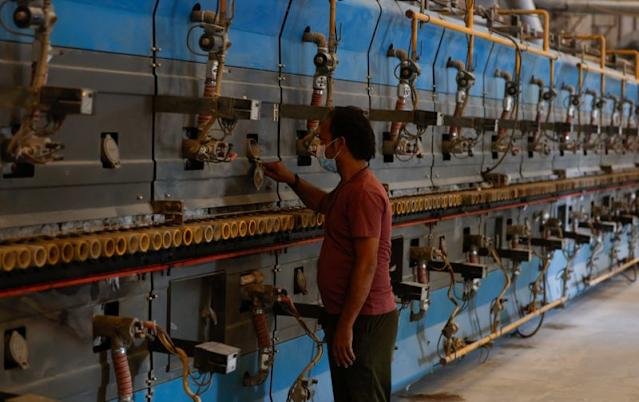
Textile manufacturers say the exodus is beginning to affect production schedules. Tiruppur Exporters’ Association representatives told reporters that some units are operating with 20–30 percent fewer workers than usual, particularly in dyeing and stitching sections.
“Workers leaving suddenly puts enormous pressure on delivery timelines,” said K. Suresh, who runs a mid‑sized garment unit supplying European retailers. “We can manage short disruptions, but if this continues for another month, export commitments will be at risk.”
Industry groups estimate that the region employs more than one million migrant workers, many from Bihar, Jharkhand, Uttar Pradesh, and the Northeast. Most live in rented rooms or dormitories where LPG is the primary fuel source.
Government Response and Broader Context
State officials say the shortage stems from a combination of increased seasonal demand and delays in supply from central distributors. A senior official in Tamil Nadu’s food and consumer protection department said emergency allocations have been requested from the central government, though he did not specify when additional supplies would arrive.
India has faced periodic LPG shortages in the past, often linked to global price fluctuations or logistical bottlenecks. But worker advocates say this year’s disruption is hitting migrant communities harder because wages have not kept pace with rising food and fuel costs.
“Workers already spend a large share of their income on rent and basic necessities,” said social researcher Meena Krishnan, who studies migrant labor in Tamil Nadu. “When cooking gas becomes unavailable, it destabilizes their entire living arrangement.”
Workers Caught Between Jobs and Survival
For many workers, the decision to leave is not about employment but survival. Several said they plan to return once supplies stabilize, but others are unsure.
“We came here to earn, not to struggle for basic things,” said 22‑year‑old power‑loom worker Sunita Devi, who boarded a train to Patna with her younger sister. “If the situation improves, we’ll come back. But right now, home feels safer.”
Local unions are urging authorities to prioritize LPG distribution to worker‑dense neighborhoods to prevent further departures.
As factories brace for continued disruptions, industry leaders warn that prolonged shortages could weaken India’s position in global textile supply chains, especially as competitors in Bangladesh and Vietnam ramp up production.
