

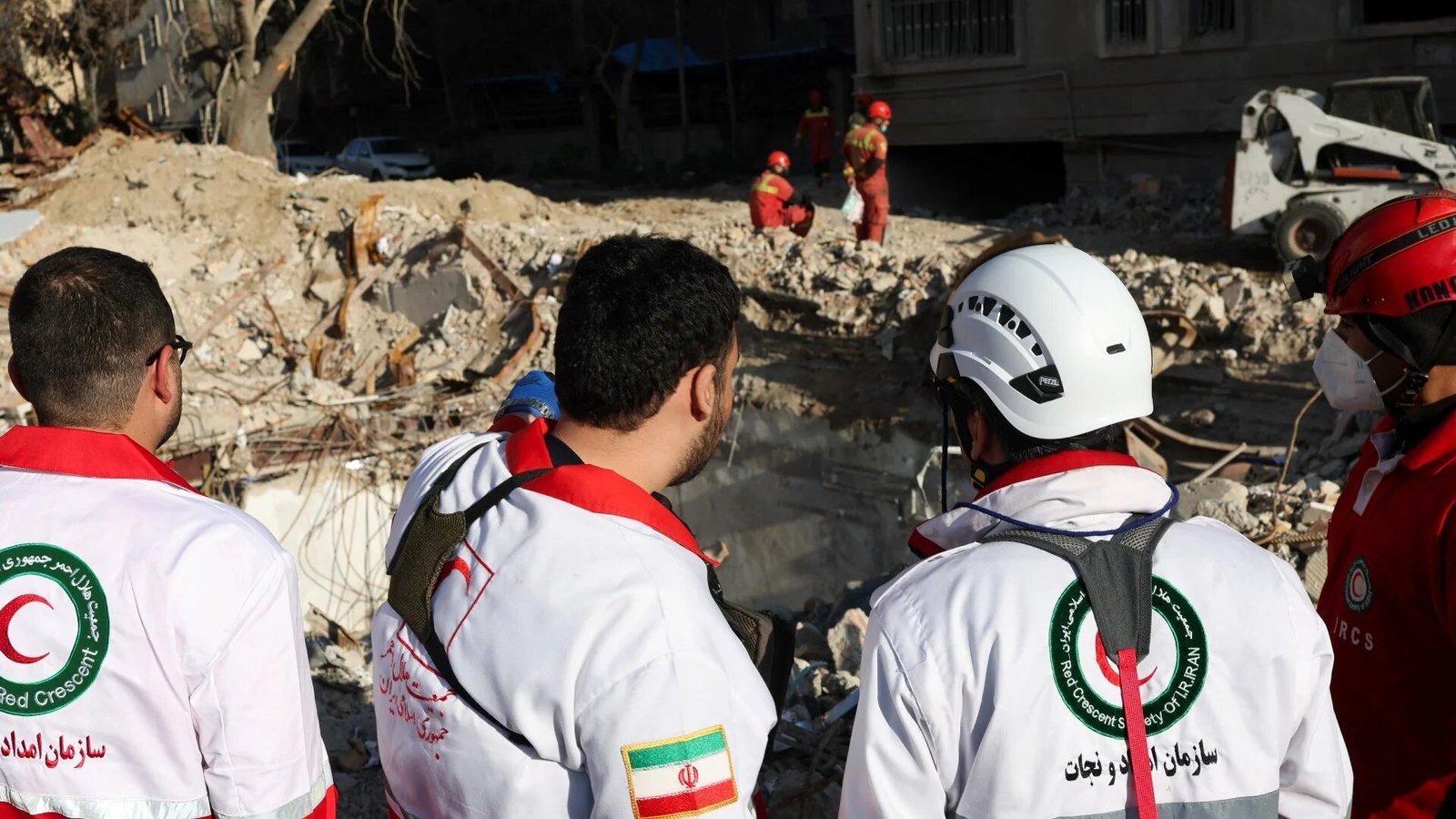
TEHRAN, Iran — March 22, 2026 — More than 1,400 people have been killed across multiple Iranian provinces after a wave of U.S.–Israeli airstrikes struck residential neighborhoods, medical facilities, and schools overnight, according to figures released by Iran’s Health Ministry. The casualty toll, which includes women, children, and medical workers, is expected to rise as rescue teams continue to pull survivors from collapsed buildings.
Iranian officials said the strikes targeted at least a dozen cities, including Tehran, Isfahan, Shiraz, and Tabriz. Local authorities described widespread destruction, with several hospitals rendered inoperable and entire apartment blocks reduced to rubble. State emergency services reported that many victims died while sheltering inside their homes.
The U.S. Department of Defense acknowledged conducting what it described as “precision operations” against “military infrastructure linked to imminent threats,” but did not address reports of civilian casualties. Israeli officials issued a similar statement, saying the joint operation was aimed at “neutralizing capabilities used to plan attacks against Israeli and American interests.” Neither government provided details about the specific targets.
Iranian leaders condemned the strikes as a “massacre” and vowed retaliation. Foreign Minister Hossein Amir-Abdollahian said the attacks violated international law and called for an emergency session of the United Nations Security Council. “Hospitals, schools, and family homes were hit without warning,” he said in a televised address. “This was not a military operation — it was an assault on our people.”
Footage broadcast on Iranian state media showed rescue workers digging through debris with excavators and bare hands. In Tehran’s southern districts, volunteers formed human chains to pass water, blankets, and medical supplies to survivors. At one damaged hospital, doctors treated patients in parking lots after the main trauma ward was destroyed.
Independent verification of the full extent of the damage remains difficult. Internet disruptions were reported across several regions, and foreign journalists have limited access to some affected areas. However, satellite imagery reviewed by regional analysts showed significant structural damage to civilian zones, including at least three school complexes and two major hospitals.
International reaction was swift. The European Union called for “maximum restraint” and urged all parties to avoid further escalation. Human rights organizations demanded an independent investigation into the strikes, with Amnesty International stating that attacks on protected civilian sites “may constitute violations of international humanitarian law.”
The strikes come amid rapidly rising tensions following months of cross‑border incidents, cyberattacks, and proxy clashes involving U.S., Israeli, and Iranian‑aligned forces. Analysts warn that the scale of the latest operation marks a dangerous escalation that could draw the region into a broader conflict.
As night fell across Iran, families gathered outside damaged buildings, many unsure whether missing relatives were alive beneath the rubble. Emergency crews said rescue operations could continue for days.
Authorities have declared three days of national mourning.
