

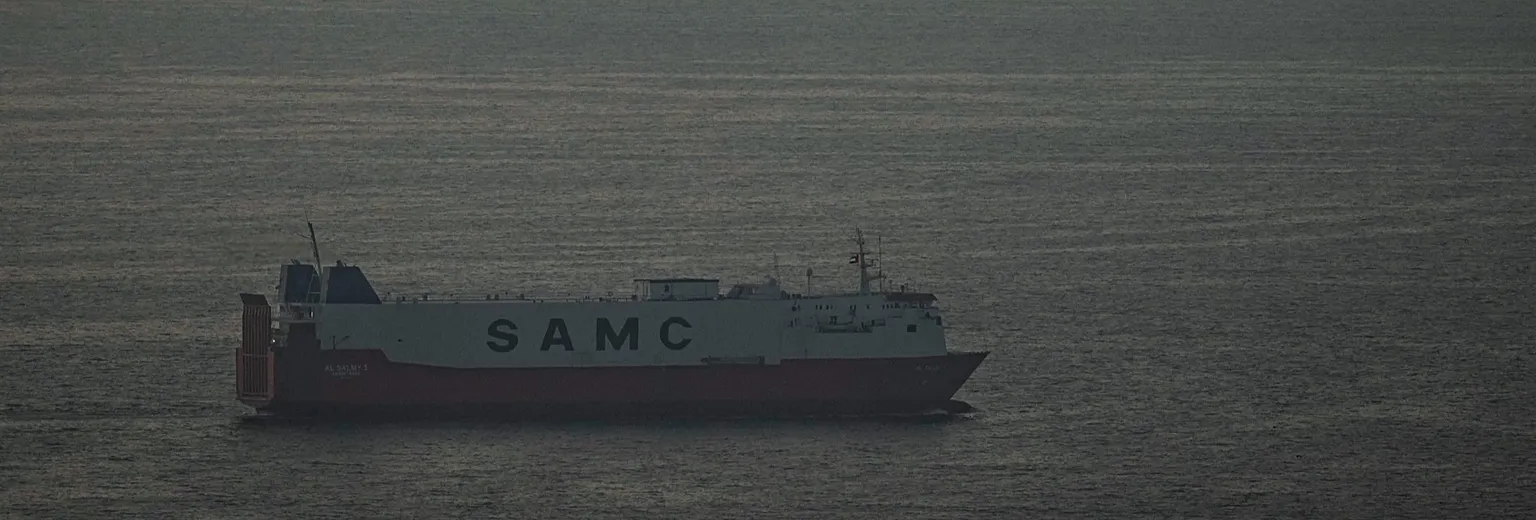
(TEHRAN, Iran — March 22, 2026) — Iranian officials signaled they are prepared to retaliate if the United States follows through on a 48‑hour ultimatum issued by President Donald Trump demanding that Iran fully reopen the Strait of Hormuz to international shipping, escalating tensions in one of the world’s most strategically vital waterways.
The warning came after the White House accused Iran of restricting commercial traffic through the narrow strait, a chokepoint through which a significant share of global oil shipments pass. U.S. officials said the ultimatum was intended to “ensure freedom of navigation” and prevent what they described as “unlawful interference” with international trade.
Iran’s Foreign Ministry rejected the allegations, insisting that shipping lanes remain open and that any security measures in the area are “legitimate and defensive.” A spokesperson said Tehran viewed the U.S. deadline as a provocation.
“We will not bow to threats,” the spokesperson said in a televised statement carried by state media. “Any hostile action against Iran’s territorial waters will be met with a decisive and proportional response.”
Regional analysts noted that both countries have a long history of confrontations in and around the strait, including naval standoffs, drone incidents, and disputes over sanctions. While neither side has indicated a desire for direct conflict, the rapid exchange of warnings has raised concerns among diplomats and energy markets.
A senior Gulf-based security official, speaking on condition of anonymity because they were not authorized to comment publicly, said regional governments were “closely monitoring” the situation and preparing contingency plans in case of disruptions to shipping.
The Pentagon confirmed that additional U.S. naval assets had been moved into the area “to ensure the safety of commercial vessels,” though officials emphasized that the deployment was defensive.
Energy analysts said even the threat of instability in the strait can influence global oil prices, given its role as a transit route for crude exports from Saudi Arabia, Iraq, the United Arab Emirates, and other producers.
European Union officials urged restraint, calling on both Washington and Tehran to avoid steps that could escalate the crisis. “Dialogue remains the only sustainable path to de‑escalation,” an EU spokesperson said in Brussels.
As the 48‑hour deadline approaches, diplomats in the region say the next moves by both governments will determine whether the standoff remains a war of words or shifts into a more dangerous phase.
