


BRUSSELS, Belgium — March 25, 2026 — Negotiations on a long‑delayed trade agreement between the European Union and Australia are once again under strain, as farming groups and several lawmakers across both regions warn that the current terms could undermine domestic industries and weaken environmental protections.
Officials familiar with the talks say the two sides have made progress on industrial goods and digital trade, but agriculture — long the most sensitive area — remains the central obstacle. European farmers argue that increased access for Australian beef, lamb, and sugar could depress prices in an already fragile market, while Australian producers say the EU’s strict geographical‑indication rules and sustainability requirements would limit their ability to compete.
Farmers Warn of “Uneven Playing Field.”
Agricultural unions in France, Ireland, and Poland have been particularly vocal. Representatives from Copa‑Cogeca, one of Europe’s largest farming lobbies, said in a statement that the draft proposals “risk flooding the market with imports produced under standards that differ from those required of EU farmers.”
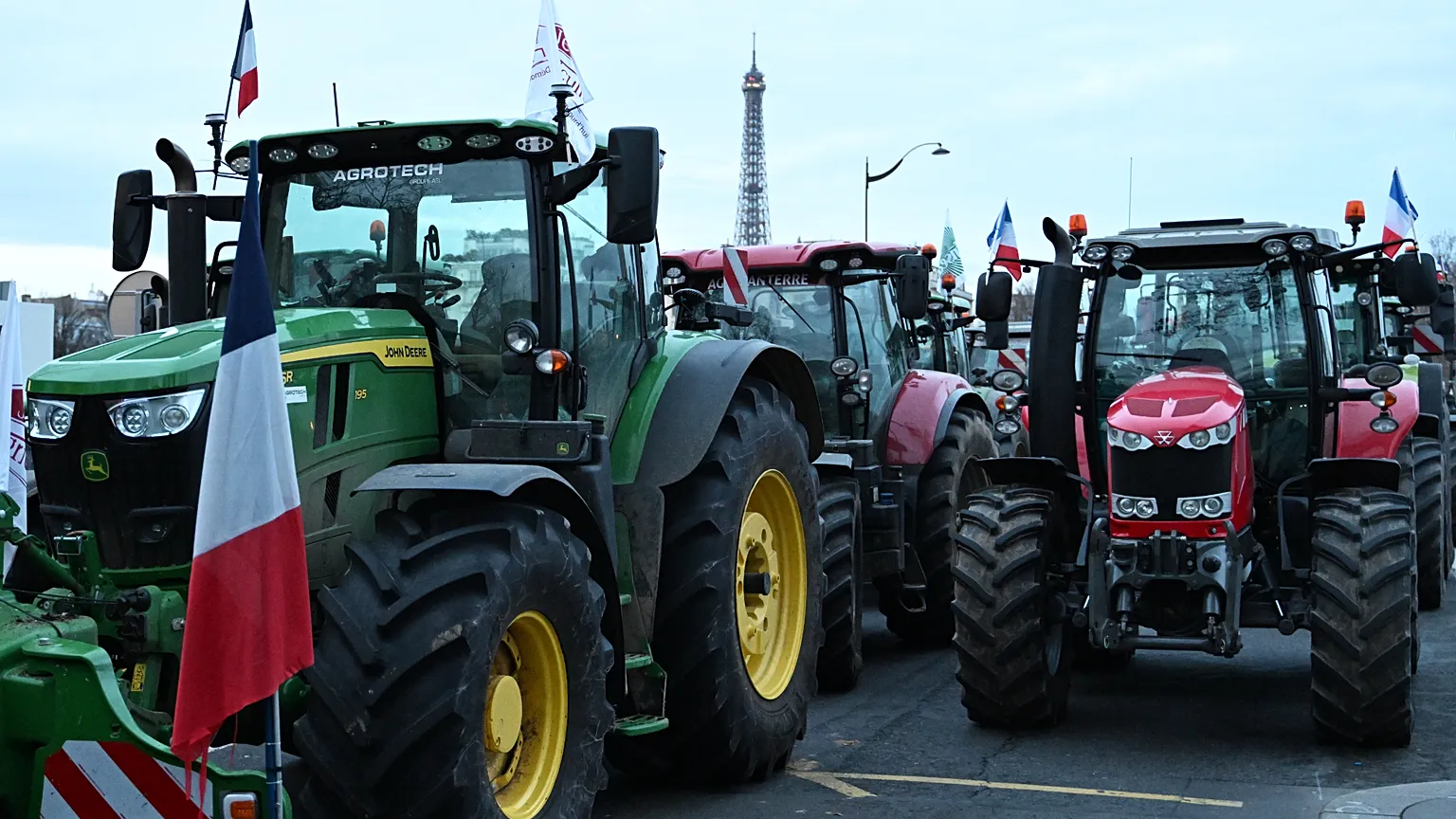
Several EU lawmakers echoed those concerns during recent committee hearings, urging negotiators not to “trade away” rural livelihoods. Some pointed to the wave of farmer protests earlier this year as evidence that the sector is already under intense pressure from rising costs and new environmental rules.
Australia Pushes Back on EU Standards
In Canberra, Australian officials have pushed for broader market access, arguing that their producers meet high animal‑welfare and environmental standards. Trade Minister Don Farrell told reporters that Australia “will not sign a deal that disadvantages our farmers,” adding that the EU’s proposed quotas remain “far too restrictive.”
Australian cattle and grain groups have also expressed frustration, saying the EU’s regulatory framework — particularly around pesticides and emissions — could function as a barrier to entry. Several industry associations have urged the government to walk away if the final terms do not improve.
Political Stakes Rising on Both Sides
Diplomats say the political climate has made compromise more difficult. With European Parliament elections approaching, several governments are wary of provoking further unrest among farmers. Meanwhile, Australia is under pressure to diversify its export markets after years of trade tensions with China.
Analysts note that both sides see strategic value in the agreement, which would strengthen economic ties between two like‑minded partners. But without movement on agriculture, officials acknowledge that the deal may remain stalled.
Negotiators Still Hopeful
EU Trade Commissioner Valdis Dombrovskis said last week that talks would continue “with determination,” stressing that a balanced agreement is still possible. Australian officials have expressed similar optimism, though neither side has offered a timeline for a breakthrough.
For now, farming groups and lawmakers remain watchful, warning that any final deal must protect domestic producers while supporting fair and sustainable trade.
