How Covert Alliances, Military Strategy, and Global Politics Reshaped a Nation
𝙰 𝙷𝙸𝙳𝙳𝙴𝙽 𝙰𝙻𝙻𝙸𝙰𝙽𝙲𝙴 𝚁𝙴𝚅𝙴𝙰𝙻𝙴𝙳
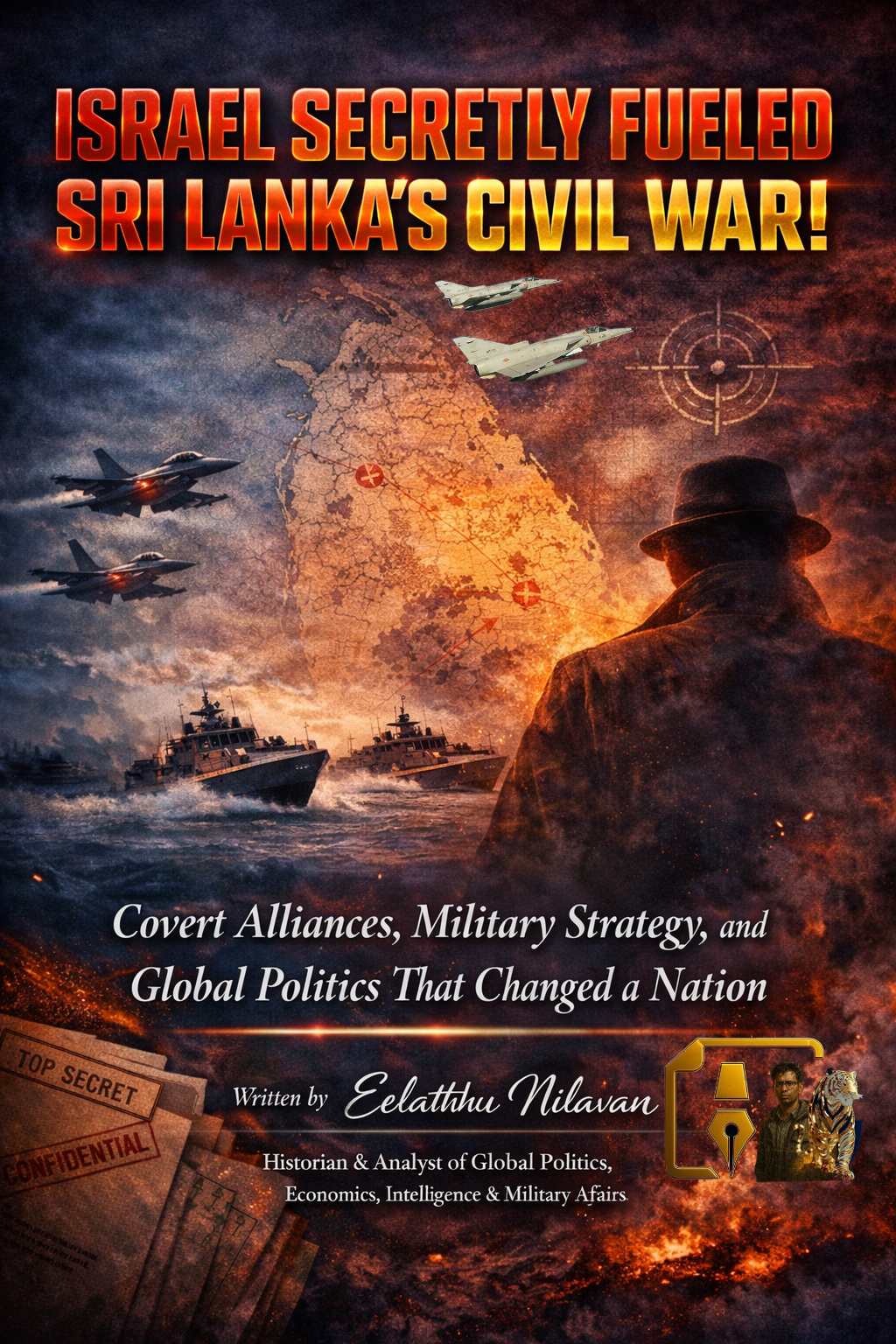
Newly declassified documents—brought to public attention by Eitay Mack—have exposed a deeply controversial and largely hidden relationship between Israel and Sri Lanka during the early years of Sri Lanka’s civil war.
Officially, diplomatic ties between the two countries had been reduced due to political sensitivities. However, behind the scenes, Sri Lanka actively sought Israel’s help to strengthen its military capabilities against Tamil militant groups.
This was not a simple arms deal. It was a multi-layered strategic partnership involving:
• Weapons transfers
• Intelligence cooperation
• Military training
• Political and diplomatic alignment
Under President J. R. Jayewardene, Sri Lanka began reshaping its war strategy with external support that would have long-lasting consequences.
𝙶𝙴𝙾𝙿𝙾𝙻𝙸𝚃𝙸𝙲𝙰𝙻 𝙱𝙰𝙲𝙺𝙶𝚁𝙾𝚄𝙽𝙳 (1948–1984)
The relationship between Sri Lanka and Israel dates back to 1948, when Sri Lanka became one of the first Asian countries to recognize Israel.
However, during the 1950s to 1970s:
• Sri Lanka aligned itself with the Non-Aligned Movement
• It maintained closer ties with Arab nations
• Direct relations with Israel became politically sensitive
By the early 1980s, the situation changed dramatically. Sri Lanka was facing an intensifying internal conflict, and the government sought international assistance to combat the growing Tamil insurgency.
The “Interest Section” Approach
Instead of opening a formal embassy:
• Israel operated through an “Interest Section” within the United States Embassy in Colombo
• This allowed both countries to maintain covert cooperation without public exposure
This arrangement provided a discreet channel for military and intelligence collaboration.
𝙼𝙾𝚂𝚂𝙰𝙳 𝙰𝙽𝙳 𝙲𝙾𝚅𝙴𝚁𝚃 𝙾𝙿𝙴𝚁𝙰𝚃𝙸𝙾𝙽𝚂
A key player in this relationship was Mossad.
Disguised Presence
To avoid political backlash:
• Israeli personnel entered Sri Lanka under the cover of “agricultural advisers”
• They were officially linked to irrigation and development projects
Military and Intelligence Training
Their actual role included:
• Training elite Sri Lankan units in counter-insurgency
• Building intelligence networks
• Introducing surveillance and interrogation techniques
The Special Task Force (STF)
The Sri Lankan Special Task Force became a highly trained paramilitary unit:
• Modeled on Israeli internal security forces
• Designed for operations in civilian-populated areas
• Known for its aggressive counter-insurgency tactics
This marked a turning point, where Sri Lanka’s military shifted from conventional warfare to more specialized and targeted operations.
𝙼𝙸𝙻𝙸𝚃𝙰𝚁𝚈 𝚂𝚄𝙿𝙿𝙾𝚁𝚃 𝙰𝙽𝙳 𝚃𝙴𝙲𝙷𝙽𝙾𝙻𝙾𝙶𝚈
Israel supplied more than $30 million worth of military equipment, significantly strengthening Sri Lanka’s armed forces.
Air Power
• The Israeli-built Kfir fighter jets became a central part of the Sri Lankan Air Force
• These aircraft enabled precision airstrikes deep into conflict zones
One of the most controversial incidents linked to air power was the 2006 attack on the Sencholai children’s home, where dozens of schoolgirls were killed. This event remains widely debated and criticized.
Naval Capabilities
• Shaldag and Dvora-class fast patrol boats were supplied
• These vessels played a key role in targeting the LTTE’s naval wing, known as the Sea Tigers
By controlling the sea, the Sri Lankan military was able to:
• Cut off supply routes
• Limit external support to insurgents
Ground and Surveillance Systems
• Mini-Uzi submachine guns
• Electronic fencing systems
• Advanced communication and surveillance technology
These tools allowed for tighter control over both combat zones and civilian populations.
𝙿𝙾𝙻𝙸𝚃𝙸𝙲𝙰𝙻 𝙰𝙽𝙳 𝚂𝚃𝚁𝙰𝚃𝙴𝙶𝙸𝙲 𝙸𝙽𝙵𝙻𝚄𝙴𝙽𝙲𝙴
The relationship extended beyond the battlefield into political and economic domains.
Allegations of Political Support
Some declassified materials suggest that:
• Israeli intelligence may have supported President Jayewardene politically
• Financial assistance was allegedly provided to ensure his continued leadership
While these claims remain debated, they highlight the depth of the relationship.
The Mahaweli Development Programme
This large-scale irrigation and hydroelectric project had multiple purposes:
• Economic development
• Agricultural expansion
• Strategic population settlement
It is argued that:
• The project helped relocate Sinhalese populations into Tamil-majority areas
• This created buffer zones and strengthened state control
𝚃𝙷𝙴 “𝚆𝙰𝚁 𝚆𝙸𝚃𝙷𝙾𝚄𝚃 𝚆𝙸𝚃𝙽𝙴𝚂𝚂𝙴𝚂”
One of the most controversial aspects of the conflict was the restriction of information.
Media and NGO Restrictions
• Journalists were denied access to conflict zones
• International organizations faced limitations
This reduced independent reporting on civilian casualties.
No-Fire Zones
Civilian Safe Zones
The government designated certain areas as safe zones for civilians. However:
• These areas were reportedly affected by shelling
• Authorities argued that militants were using civilians as human shields
This remains one of the most debated aspects of the war.
𝚃𝙷𝙴 “𝚂𝚁𝙸 𝙻𝙰𝙽𝙺𝙰𝙽 𝙼𝙾𝙳𝙴𝙻” AND GLOBAL PARALLELS
Some analysts argue that the final phase of the Sri Lankan Civil War created a model for modern counter-insurgency warfare.
Key elements include:
• Strict information control
• Concentration of civilian populations
• Heavy military force in confined areas
• Post-war demographic changes
Comparisons have been drawn to other global conflicts, including those involving Israel in Gaza. These comparisons are debated and should be understood within a broader analytical context.
𝙳𝙸𝙿𝙻𝙾𝙼𝙰𝚃𝙸𝙲 AND THE “WAR ON TERROR”
A major shift in strategy was the reframing of the conflict.
Instead of presenting it as an ethnic conflict, Sri Lanka described it as:
A fight against terrorism
This framing had significant effects:
• Gained international support or neutrality
• Reduced pressure from global institutions
• Justified strong military actions
Even when concerns were raised by the United States regarding human rights, the broader global focus on counter-terrorism limited intervention.
HOW HISTORY CONTRIBUTED TO 𝙼𝙰𝚂𝚂 𝚅𝙸𝙾𝙻𝙴𝙽𝙲𝙴
The events of the civil war were shaped by decades of historical developments:
Long-Term Discrimination
• Language policies excluded Tamil speakers
• Education and employment opportunities were restricted
Militarization
• Expansion of the armed forces
• Increased reliance on foreign training and weapons
Dehumanization
Over time, the conflict narrative portrayed Tamils as a security threat rather than a minority group with political grievances.
Lack of Accountability
• Emergency laws granted extensive powers to the military
• Oversight mechanisms were weak
International Context
Global priorities often focused on stability and counter-terrorism, rather than human rights enforcement.
THE 𝙶𝙴𝙽𝙾𝙲𝙸𝙳𝙴 𝙳𝙴𝙱𝙰𝚃𝙴
Whether the events constitute genocide remains a subject of ongoing debate.
Arguments Supporting the Claim
• Patterns of large-scale civilian casualties
• Allegations of targeted attacks on civilian areas
• Long-term demographic changes
Arguments Against the Claim
• The government maintains it was conducting a counter-terrorism operation
• Civilian casualties are described as unintended consequences of war
• No formal international ruling has classified the events as genocide
𝙲𝙾𝙽𝙲𝙻𝚄𝚂𝙸𝙾𝙽
The relationship between Israel and Sri Lanka during the civil war reveals a complex and often hidden dimension of modern conflict.
It demonstrates how:
• International alliances can shape domestic wars
• Military technology and training can shift the balance of power
• Political narratives can influence global perception
Ultimately, this is not just a story about two countries. It is a broader example of how geopolitics, strategy, and secrecy intersect to shape the course of history.

Written by 𝐄𝐞𝐥𝐚𝐭𝐡𝐭𝐡𝐮 𝐍𝐢𝐥𝐚𝐯𝐚𝐧
Tamil National Historian | Analyst of Global Politics, Economics, Intelligence & Military Affairs
10/04/2026
The views expressed in this article are the author’s own and do not necessarily reflect Amizhthu’s editorial stance.