


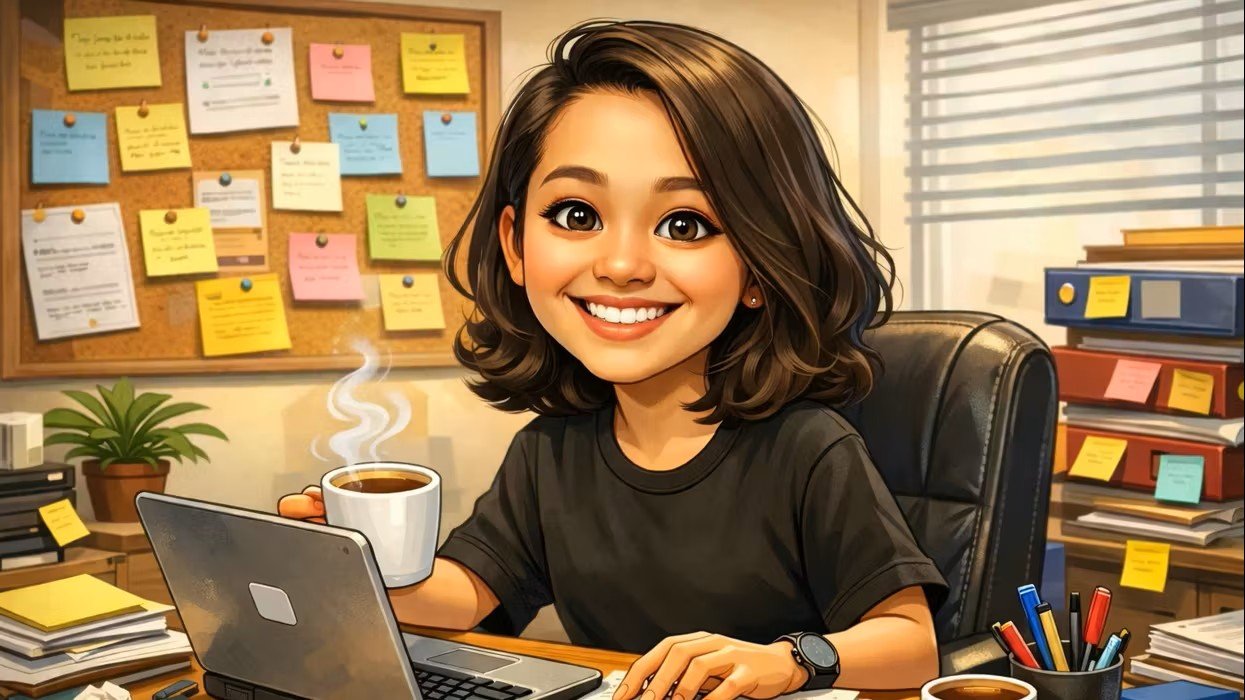
A fast‑spreading social media trend in which users generate cartoon‑style portraits of themselves using ChatGPT‑powered tools is drawing sharp warnings from cybersecurity specialists, who say the craze could unintentionally hand fraudsters a powerful new weapon.

The trend, which surged across platforms over the past week, encourages users to upload personal photos to create stylised caricatures—often shared publicly as profile pictures or viral posts. While many see it as harmless fun, experts argue that the practice carries significant risks, particularly as cybercriminals increasingly exploit AI‑generated imagery for identity theft, impersonation scams, and deepfake‑driven fraud.
Experts Warn of a “Perfect Storm” for Identity Misuse
Cybersecurity analysts say the combination of high‑resolution facial data, AI enhancement, and mass public sharing creates an ideal environment for malicious actors.
“Any time people upload clear images of their face—especially multiple angles—they’re providing raw material that can be repurposed for deepfakes or identity spoofing,” said one digital forensics specialist. “The caricature filters may distort features, but the underlying biometric patterns remain detectable.”
Fraud investigators note that criminals have already begun using AI‑modified images to bypass facial‑recognition checkpoints on financial platforms, create convincing fake IDs, and impersonate victims in video‑based scams. The addition of stylised portraits, they say, could make it even easier to generate synthetic identities that appear authentic but are difficult to trace.
Social Media Platforms Under Pressure
The trend has also reignited debate over how social networks handle user‑generated AI content. Privacy advocates argue that platforms should provide clearer warnings about how uploaded images may be stored, analysed, or repurposed.
“People assume these caricatures are just fun filters,” said a data‑rights researcher. “But the moment you upload a photo, you’re potentially giving away biometric data that can’t be changed like a password.”
Some platforms have begun adding disclaimers about AI‑generated content, but critics say the measures fall short of addressing the long‑term risks.
ChatGPT Developer Responds to Concerns
OpenAI, whose technology underpins many of the caricature tools circulating online, has reiterated that it does not store user images for training without explicit permission. The company emphasises that safety protocols are in place to prevent misuse, but acknowledges that broader risks exist once images are shared publicly.
Industry analysts say the challenge extends beyond any single company. As AI image manipulation becomes more accessible, they warn that public awareness and digital literacy must evolve just as quickly.
A Growing Need for Caution
While the caricature trend shows no sign of slowing, experts urge users to think carefully before participating—especially those who frequently appear in public‑facing roles or handle sensitive information.
“Once your likeness is out there, you can’t pull it back,” said a cybersecurity consultant. “People should enjoy new technology, but they need to understand the trade‑offs. Fraudsters are watching these trends just as closely as everyone else.”
As AI‑driven creativity continues to blur the line between entertainment and vulnerability, specialists say the latest craze is a reminder that digital identity has never been more valuable—or more exposed.
