

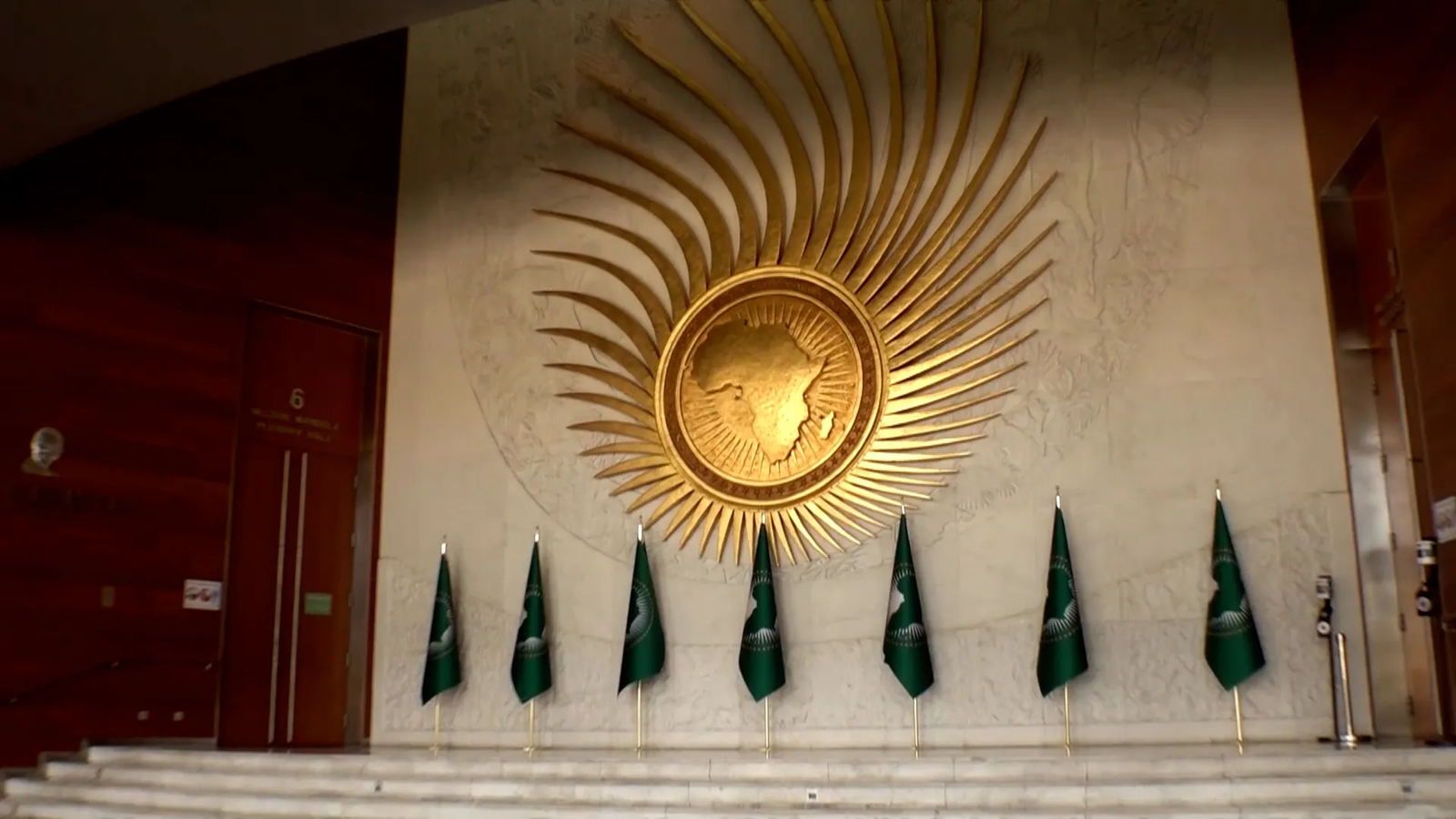

— African leaders convened in the Ethiopian capital this week for the 2026 African Union (AU) Summit, arriving amid mounting climate pressures, escalating regional conflicts, and renewed diplomatic tensions following Israel’s recognition of Somaliland.
Water Security Takes Center Stage
This year’s summit is anchored in a water‑focused climate theme, reflecting the continent’s growing vulnerability to extreme weather, shrinking water supplies, and climate‑driven instability. AU Commission Chairperson Mahmoud Ali Youssouf underscored the urgency of safeguarding water as a shared resource, calling it “a collective good… to be preserved at all costs” and a potential bridge for peace among member states.
Delegates are expected to debate strategies for sustainable water management, drought resilience, and infrastructure investment—issues that have become increasingly critical as floods, droughts, and water scarcity disrupt agriculture, displace communities, and strain national economies.
Conflicts Across the Continent Loom Over Proceedings
The summit unfolds against a backdrop of persistent insecurity in Sudan, South Sudan, the Democratic Republic of the Congo, and the Sahel, where violence and political instability continue to undermine regional cohesion. Analysts warn that the AU faces significant challenges in coordinating effective responses, with some experts questioning the organization’s capacity to manage simultaneous crises.
Political instability in several member states—including recent setbacks in Madagascar and Guinea‑Bissau—adds further complexity to the AU’s peace and security agenda. Despite these pressures, AU mediators continue to pursue diplomatic pathways, though progress remains uneven.
Somaliland Recognition Sparks Diplomatic Tension
A major flashpoint at this year’s summit is Israel’s December 2026 recognition of Somaliland, a self‑declared autonomous region seeking international legitimacy. The move has unsettled several African governments, which view it as a challenge to long‑standing continental principles regarding post‑colonial borders and collective approaches to state recognition.
While Somaliland meets many criteria associated with statehood under general international law—such as a defined territory, functioning government, and capacity for foreign relations—regional frameworks emphasize unity and respect for inherited borders. This tension has intensified debate within the AU over how to balance legal norms, political realities, and the continent’s broader stability.
A Pivotal Moment for Continental Cooperation
As the summit continues, leaders are expected to adopt new initiatives aimed at strengthening early‑warning systems for climate disasters, enhancing water‑security cooperation, and advancing diplomatic efforts to ease tensions in Somaliland. Civil society groups and climate advocates are also participating in parallel sessions, urging more ambitious and equitable climate action.
With climate stress, conflict, and geopolitical friction converging, the 2026 AU Summit marks a critical juncture for African unity. Decisions made in Addis Ababa are likely to shape the continent’s environmental resilience, political stability, and diplomatic posture for years to come.
