


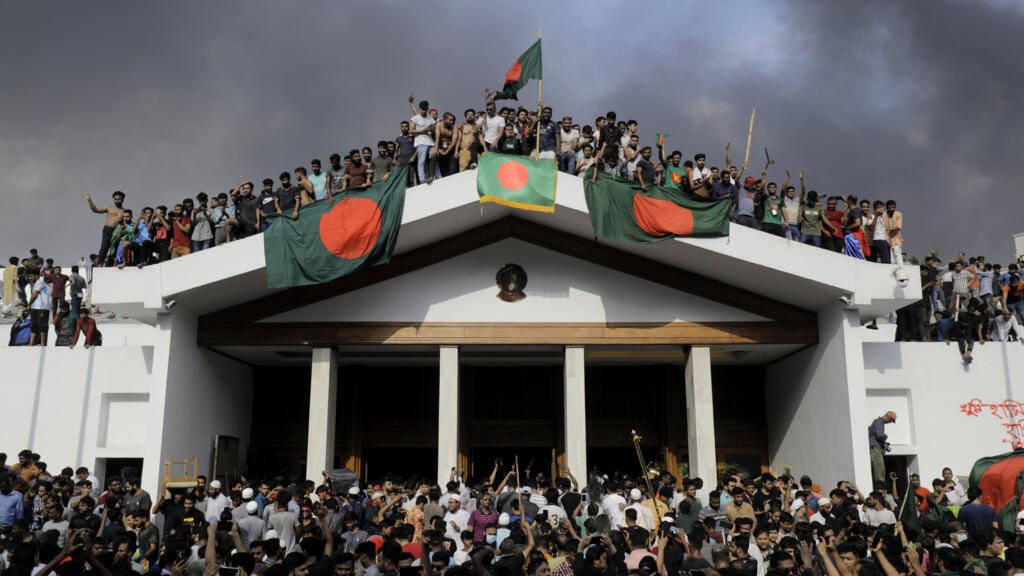

Bangladesh has entered a decisive new chapter after the Bangladesh Nationalist Party (BNP) secured a landmark electoral victory, ending years of political dominance by its rivals and setting the stage for a period of uncertainty, expectation, and intense public scrutiny. Supporters of the BNP have framed the outcome as a turning point, with many echoing the sentiment that “Bangladesh will be better,” while analysts caution that the path ahead is complex and fraught with challenges.
A Shift Driven by Public Sentiment
The election, marked by high voter turnout across both urban and rural constituencies, reflected widespread public desire for political change. Citizens interviewed outside polling stations described a mix of economic frustration, governance concerns, and hopes for renewed national direction as key motivations behind their vote.
Independent observers reported a largely peaceful election day, though several constituencies experienced administrative delays and isolated disputes. Election authorities stated that these incidents did not affect the overall integrity of the results.
BNP’s Promises and the Road Ahead
In its campaign, the BNP pledged sweeping reforms aimed at economic revitalization, institutional transparency, and expanded civil liberties. Party leaders have emphasized that their immediate priorities include stabilizing inflation, addressing youth unemployment, and restoring investor confidence.
Speaking at a post‑victory press conference, senior BNP figures described the win as “a mandate for national renewal,” while acknowledging the immense responsibility placed upon them. They reiterated commitments to democratic norms, promising to work inclusively with civil society, business leaders, and political opponents.
Reactions Across the Political Landscape
The outgoing administration issued a formal statement congratulating the BNP and urging the new government to “prioritize unity and national stability.” Several international partners also released measured responses, expressing readiness to cooperate with the incoming leadership while underscoring the importance of democratic continuity and human rights protections.
Political analysts note that the BNP’s victory places Bangladesh at a crossroads. While supporters anticipate rapid improvements, experts warn that expectations must be managed carefully. Economic pressures, global market volatility, and longstanding political divisions will test the new government’s capacity to deliver on its promises.
Public Hope Meets Practical Realities
Across Dhaka, Chittagong, Sylhet, and other major cities, celebrations continued late into the night as BNP supporters gathered in streets and public squares. Many expressed optimism that the new administration would bring greater accountability and a more inclusive political climate.
Yet others voiced caution, noting that Bangladesh has experienced cycles of political change before, with mixed outcomes. Community leaders and academics stressed that sustainable progress will require long‑term planning, institutional strengthening, and a commitment to dialogue across political lines.
A Nation Watching Closely
As Bangladesh transitions into a new political era, the BNP faces the dual challenge of meeting public expectations while navigating the realities of governance. The coming months will be critical in determining whether the party can translate electoral momentum into meaningful reforms.
For now, the nation stands at a pivotal moment — hopeful, watchful, and aware that the decisions made in the early days of this new administration may shape Bangladesh’s trajectory for years to come.
