


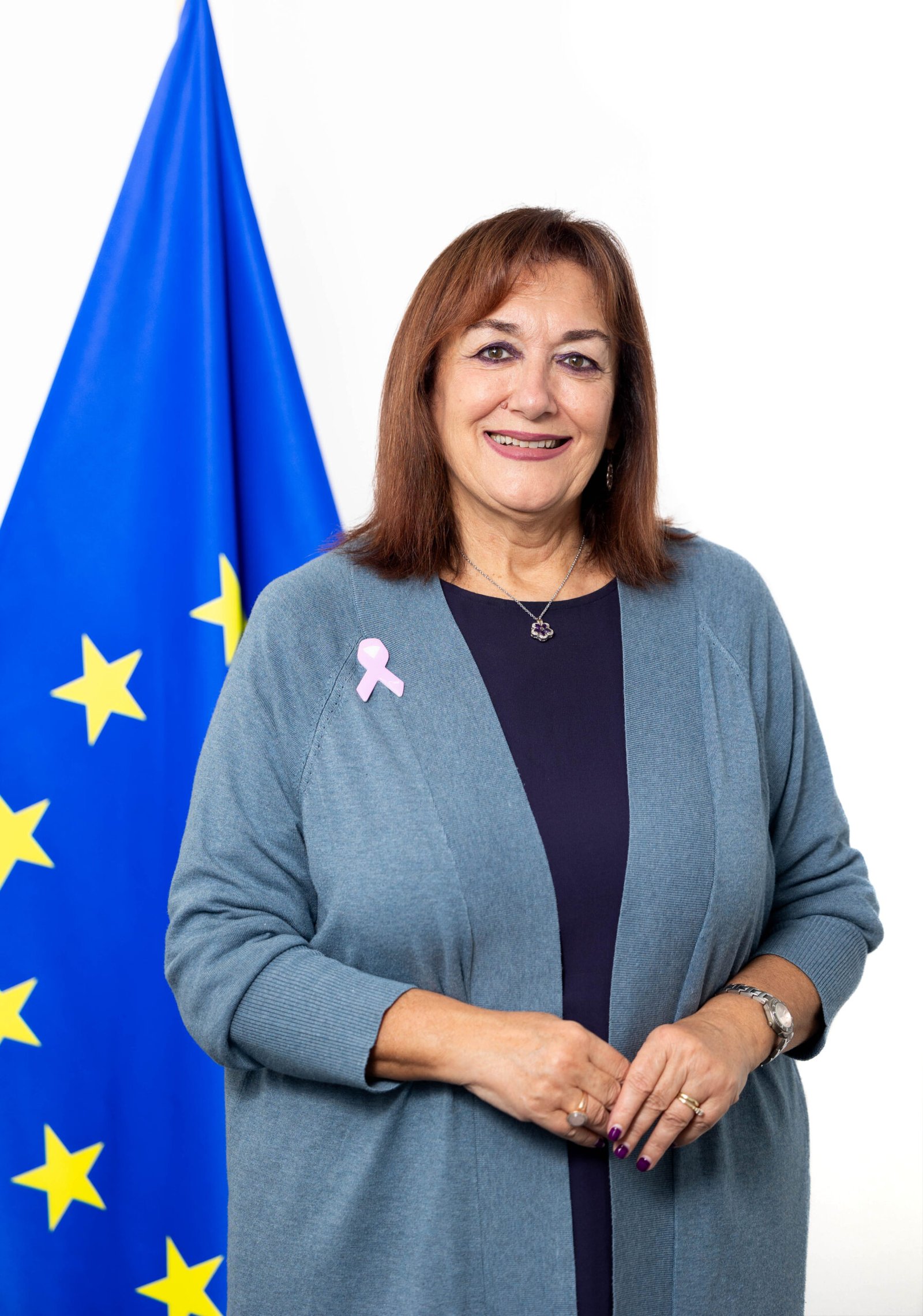
France has emerged at the forefront of a growing backlash within the European Union after the European Commission’s unexpected decision to send Dubravka Šuica, Commissioner for the Mediterranean, to Washington for the inaugural formal meeting of the U.S.-led Board of Peace. The move has triggered sharp institutional and political objections from several member states, exposing deep divisions over the EU’s role in a contentious initiative chaired by U.S. President Donald Trump.
A Decision That Caught Capitals Off Guard
During a tense meeting of EU ambassadors on Wednesday, diplomats revealed that Šuica’s participation had not been communicated to national governments in advance. Critics argued that the Commission lacked the mandate to engage in an initiative with significant foreign policy implications—an area reserved for unanimous agreement among member states. One diplomat described the atmosphere as highly charged, noting that “member states were up in arms” over what many viewed as an overreach by the Commission.
Concerns Over the Board of Peace’s Expanding Mandate
The Board of Peace, launched by President Trump in January, was initially conceived to guide Gaza’s post-war recovery. However, its mandate has since expanded dramatically, evolving into what some diplomats describe as a “shadow structure” to the United Nations, with Trump designated as lifelong chairman. This shift has amplified concerns among EU governments wary of endorsing an initiative that could undermine established multilateral frameworks.
France, joined by Belgium, Spain, Ireland, Slovenia, and Portugal, voiced strong objections. Germany also expressed reservations, though in more measured terms. French representatives argued that Šuica’s attendance risked signaling EU support for a body the Union has not joined and whose governance raises unresolved questions.
Commission Defends Its Position
In response to the criticism, a Commission spokesperson defended Šuica’s trip as a pragmatic step to remain “closely engaged on all aspects relating to the peace process and the reconstruction in Gaza.” The spokesperson stressed that the Commission would not become a member of the Board of Peace and that participation was limited to discussions relevant to Gaza.
This position aligns with earlier statements from Brussels, where officials emphasized that Šuica would attend only the portion of the meeting dedicated to Gaza and that the EU still had “several questions” about the Board’s charter and compatibility with the U.N. Charter.
A Divided European Union
The controversy has highlighted widening fractures within the EU over how to engage with the Board of Peace. Hungary and Bulgaria remain the only member states committed to permanent participation, while seven others have signaled interest in attending as observers. Meanwhile, Italy and Cyprus have indicated openness to limited involvement, though with constitutional and political caveats.
These divisions underscore the broader challenge facing the EU as it navigates a shifting geopolitical landscape shaped by Washington’s assertive approach to post-conflict governance and multilateral reform.
What Comes Next?
As Šuica proceeds with her trip to Washington, the episode has sparked renewed debate over the Commission’s role in foreign policy and the need for clearer coordination among EU institutions and member states. With the Board of Peace poised to play a significant role in Gaza’s reconstruction, the EU must now determine how to balance engagement with caution—while preserving unity at a moment of heightened geopolitical tension.
The coming weeks will likely test the EU’s ability to present a coherent stance on an initiative that continues to divide its members and challenge its diplomatic norms.
