

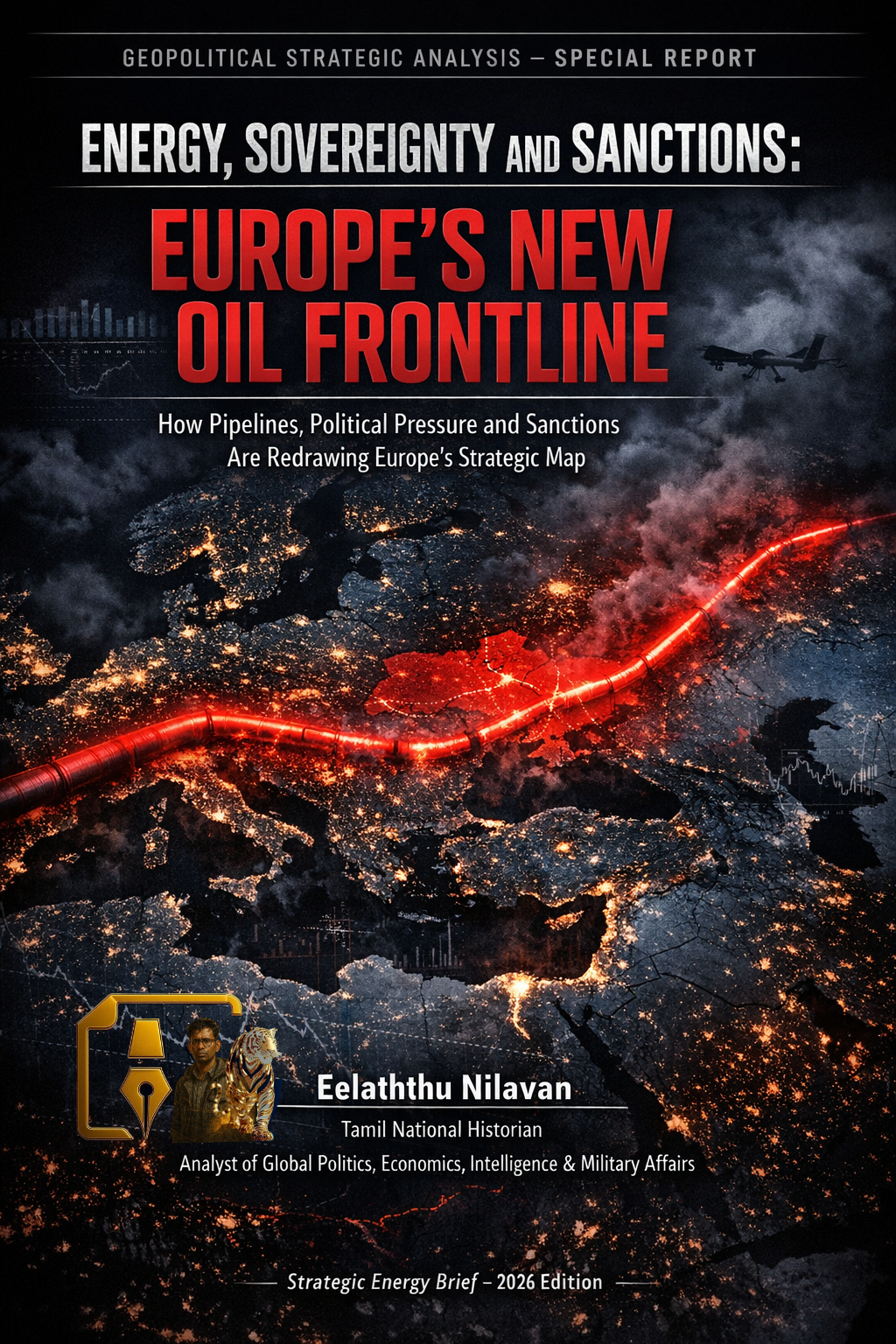
𝑻𝒉𝒆 𝑫𝒓𝒖𝒛𝒉𝒃𝒂 𝑷𝒊𝒑𝒆𝒍𝒊𝒏𝒆 𝑪𝒓𝒊𝒔𝒊𝒔: 𝑬𝒖𝒓𝒐𝒑𝒆’𝒔 𝑬𝒏𝒆𝒓𝒈𝒚 𝑵𝒆𝒓𝒗𝒆 𝑼𝒏𝒅𝒆𝒓 𝑺𝒕𝒓𝒂𝒊𝒏
At the center of the unfolding geopolitical confrontation lies the Druzhba pipeline — one of the longest and most strategically vital oil arteries in the world. Built during the Soviet era, it still supplies Russian crude to Central Europe, particularly Hungary and Slovakia.
Hungarian Prime Minister Viktor Orbán has accused Ukraine of imposing a deliberate “political blockade” on oil transit through the pipeline, describing it as economic coercion rather than technical disruption. He has gone further — labeling the halt “state terrorism” and drawing parallels with the sabotage of the Nord Stream pipelines.
Ukraine, however, maintains that disruptions are technical consequences of Russian missile strikes on its energy infrastructure.

What makes this crisis explosive is not merely oil — but dependency.
Hungary remains heavily reliant on Russian crude due to refinery configurations optimized for Urals blend oil. Any sudden disruption triggers inflationary pressures, fuel shortages, and domestic instability.
Orbán has warned that fuel prices could spike to 1,000 forints per liter if supplies are not restored.
𝑴𝒊𝒍𝒊𝒕𝒂𝒓𝒚 𝑫𝒆𝒑𝒍𝒐𝒚𝒎𝒆𝒏𝒕 & 𝑵𝒂𝒕𝒊𝒐𝒏𝒂𝒍 𝑺𝒆𝒄𝒖𝒓𝒊𝒕𝒚 𝑨𝒍𝒂𝒓𝒎
In a highly symbolic move, Orbán ordered troops to guard critical Hungarian energy infrastructure. Drone flights have been restricted near the Ukrainian border. The message is unmistakable: energy security is now national security.
Hungary views pipeline infrastructure as vulnerable strategic assets, particularly after the Nord Stream explosions redefined Europe’s perception of hybrid warfare.
By militarizing infrastructure protection, Budapest signals three things:
• It fears sabotage or escalation.
• It distrusts Ukraine’s assurances.
• It is preparing for prolonged disruption.
This is no longer simply an economic disagreement — it is a securitized energy confrontation.
𝑺𝒍𝒐𝒗𝒂𝒌𝒊𝒂 𝑱𝒐𝒊𝒏𝒔 𝒕𝒉𝒆 𝑹𝒆𝒃𝒆𝒍𝒍𝒊𝒐𝒏 𝑨𝒈𝒂𝒊𝒏𝒔𝒕 𝑩𝒓𝒖𝒔𝒔𝒆𝒍𝒔
Slovak Prime Minister Robert Fico has echoed Orbán’s defiance. In fiery remarks, he declared Slovakia would not be treated as a “servant” by Ukraine.
Bratislava claims oil it has already purchased is being withheld despite the pipeline being operational.
Slovakia responded by:
• Halting emergency electricity exports to Ukraine.
• Opting out of a €90 billion EU loan package for Kyiv.
• Warning against further sanctions under the EU’s twentieth sanctions package.
Fico argues that sanctions disproportionately hurt smaller EU states like Greece, Malta, and Cyprus while failing to cripple Moscow.
This deepens fractures inside the European Union — revealing an internal battle over strategy, burden-sharing, and the long-term sustainability of sanction-driven warfare economics.
𝑬𝒍𝒆𝒄𝒕𝒊𝒐𝒏𝒔, 𝑨𝒍𝒍𝒆𝒈𝒂𝒕𝒊𝒐𝒏𝒔 & 𝑫𝒐𝒎𝒆𝒔𝒕𝒊𝒄 𝑷𝒐𝒍𝒊𝒕𝒊𝒄𝒔
Orbán has linked the oil dispute to Hungary’s upcoming April 12 elections. He alleges Ukrainian intelligence is backing the opposition Tisza party to install a “pro-war government.”
Though evidence remains contested, the accusation reframes the dispute as foreign interference in domestic sovereignty.
Energy crises often influence elections. Inflation, fuel shortages, and economic anxiety can rapidly reshape voter behavior.
Orbán is positioning himself as:
• Defender of Hungarian sovereignty
• Protector of economic stability
• Opponent of EU war escalation
This strategy resonates with a war-weary electorate concerned about economic spillover.
𝑫𝒆𝒏𝒎𝒂𝒓𝒌’𝒔 𝑺𝒏𝒂𝒑 𝑬𝒍𝒆𝒄𝒕𝒊𝒐𝒏: 𝑻𝒉𝒆 𝑨𝒓𝒄𝒕𝒊𝒄 𝑭𝒂𝒄𝒕𝒐𝒓
Meanwhile, Northern Europe is facing its own geopolitical tremors.
Danish Prime Minister Mette Frederiksen has called a snap general election for March 24, citing national security concerns amid tensions with U.S. President Donald Trump over Greenland.
The dispute centers on sovereignty over Greenland, a resource-rich Arctic territory of strategic military and mineral importance.
Frederiksen framed the election as a necessity for European self-reliance, arguing that Denmark and Europe must “stand on their own two feet.”
Public protests and boycotts of American goods have intensified after tariff threats from Washington.
While Trump is unpopular in Denmark, analysts suggest he may serve as a background theme rather than a direct campaign focal point.
Still, the broader issue is clear:
Europe is reassessing its strategic autonomy — from energy to defense to Arctic sovereignty.
𝑬𝒏𝒆𝒓𝒈𝒚 𝒂𝒔 𝑮𝒆𝒐𝒑𝒐𝒍𝒊𝒕𝒊𝒄𝒂𝒍 𝑾𝒆𝒂𝒑𝒐𝒏
The Russia–Ukraine war has transformed pipelines into pressure tools.
Energy is no longer just a commodity. It is:
• Diplomatic leverage
• Sanction enforcement mechanism
• Electoral battlefield
• Military vulnerability
Hungary and Slovakia argue that Europe underestimates Russia’s economic endurance. Orbán explicitly warns that Brussels’ strategy is unsustainable.
The division now runs along two European visions:
• Hardline Sanctions & Strategic Confrontation
• Pragmatic Energy Stability & Domestic Protection
This fracture could widen if oil disruptions persist.
𝑻𝒉𝒆 𝑩𝒊𝒈𝒈𝒆𝒓 𝑷𝒊𝒄𝒕𝒖𝒓𝒆: 𝑬𝒖𝒓𝒐𝒑𝒆’𝒔 𝑬𝒏𝒆𝒓𝒈𝒚 𝑭𝒖𝒕𝒖𝒓𝒆
The deeper strategic questions now confronting Europe are:
• Can Central Europe diversify away from Russian crude quickly enough?
• Will internal EU divisions weaken collective bargaining power?
• Does the weaponization of transit infrastructure become normalized?
The Druzhba dispute signals a structural transformation:
Energy corridors are now frontline geopolitical terrain.
And for Hungary and Slovakia, the message is blunt:
Economic survival cannot be subordinated entirely to war strategy.
𝑪𝒐𝒏𝒄𝒍𝒖𝒔𝒊𝒐𝒏: 𝑷𝒊𝒑𝒆𝒍𝒊𝒏𝒆𝒔, 𝑷𝒐𝒘𝒆𝒓 & 𝑷𝒐𝒍𝒊𝒕𝒊𝒄𝒂𝒍 𝑩𝒓𝒊𝒏𝒌𝒎𝒂𝒏𝒔𝒉𝒊𝒑
What began as a technical dispute over oil transit has evolved into:
• A sovereignty confrontation
• A sanctions backlash
• An election battlefield
• A test of European unity
From Budapest to Bratislava, and from Copenhagen to Brussels, Europe is grappling with a harsh new reality:
The Russia–Ukraine war is no longer confined to battlefields.
It now flows through pipelines, ballot boxes, and Arctic territories.
Energy security has become political warfare.
And Europe stands divided on how to fight it.

Written by Eelaththu Nilavan
Tamil National Historian | Analyst of Global Politics, Economics, Intelligence & Military Affairs
28/02/2026

