


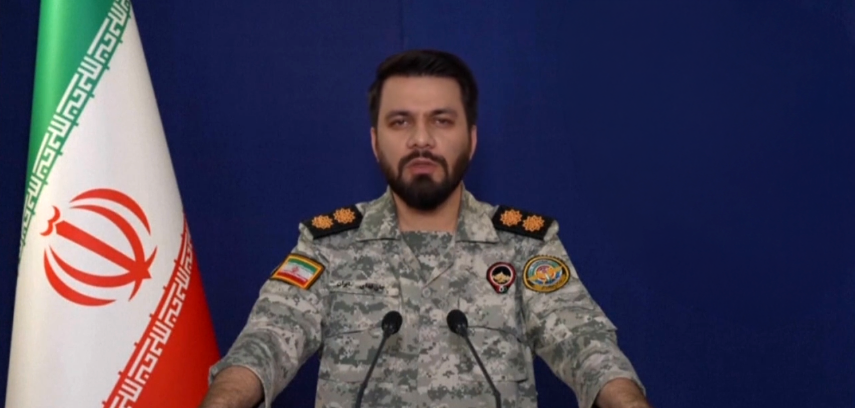
(Iran, March 25, 2026) — Iran fired a wave of ballistic missiles toward targets across the Middle East late Tuesday, only hours after US President Donald Trump publicly stated that Washington and Tehran were “in negotiations right now,” according to officials in the region.
The strikes, confirmed by military authorities in Iraq, Jordan, and Saudi Arabia, targeted what Iran described through state media as “hostile intelligence and military sites.” Several governments reported intercepting some of the missiles, while others caused limited damage. Casualty figures remained unclear as of early Wednesday, with local officials saying assessments were still underway.
A Rapid Escalation After Claims of Diplomacy
The timing of the launches drew immediate international attention. Earlier in the day, President Trump told reporters at the White House that the United States and Iran were engaged in “ongoing discussions,” though he did not provide details or indicate whether formal diplomatic channels had been re‑established.
Iranian officials did not directly address Trump’s remarks. However, analysts noted that Tehran has historically used military actions to signal strength during moments of political pressure or negotiation.
A regional security adviser in Baghdad, speaking on background because they were not authorized to comment publicly, said the missile barrage “appeared calibrated — forceful enough to send a message, but not aimed at triggering a full-scale war.”
Regional Governments on Alert
Iraq’s Joint Operations Command reported that several missiles landed in open areas near Erbil and outside Baghdad, prompting temporary airport closures. Jordanian officials said their air defenses intercepted “multiple projectiles” approaching the kingdom’s airspace. Saudi Arabia reported similar activity near its northern border.
Israel, which has been on heightened alert for months amid rising cross‑border tensions, said none of the missiles entered its territory but that it was “monitoring the situation closely.”
International Reactions
The European Union called for “maximum restraint,” urging both Washington and Tehran to avoid actions that could spiral into a broader conflict. A spokesperson for the United Nations Secretary‑General said the UN was “deeply concerned” and in contact with regional governments to assess humanitarian risks.
US defense officials did not immediately comment on whether American forces or facilities were targeted. A Pentagon official, speaking anonymously, said the department was “evaluating the trajectory and intent” of the launches.
A Complicated Diplomatic Landscape
Relations between the United States and Iran have fluctuated sharply in recent years, marked by sanctions, proxy clashes, and intermittent diplomatic overtures. While Trump’s comments suggested a possible opening, experts cautioned that both governments often use public statements strategically.
Dr. Lina Farouq, a political analyst at the American University of Beirut, said the missile strikes “underscore the dual-track approach Iran frequently employs — signaling willingness to talk while demonstrating military capability.”
What Comes Next
As of Wednesday morning, no government had announced retaliatory action. Still, regional militaries remained on alert, and airspace restrictions were in effect in parts of Iraq and Jordan.
Diplomats in the region said the coming days would reveal whether the missile barrage derails any quiet diplomatic efforts or becomes part of a broader negotiation strategy.
For now, residents across several Middle Eastern cities are bracing for further uncertainty as governments assess the fallout from one of the most significant missile launches in months.
