


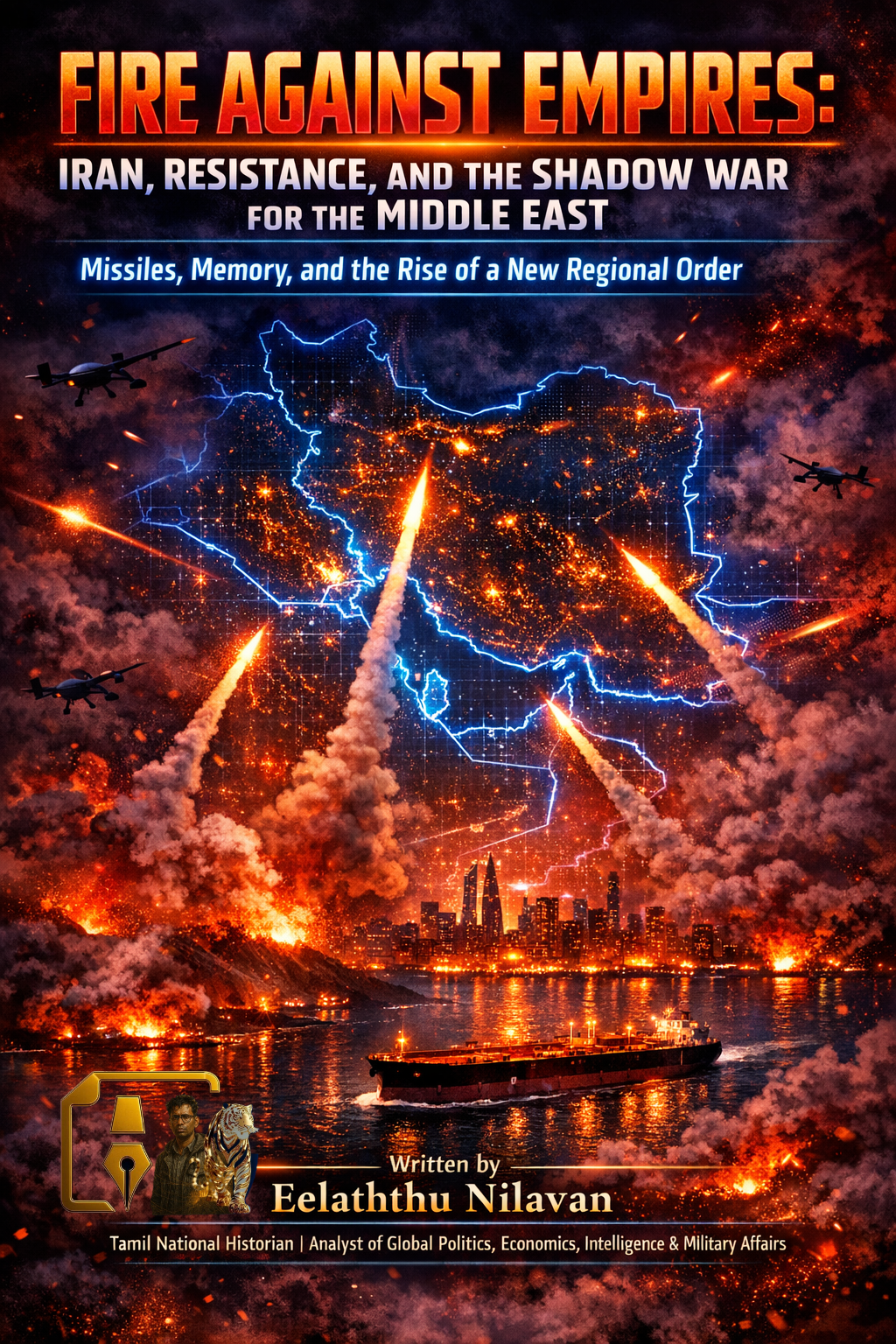
𝑨 𝒄𝒐𝒏𝒇𝒍𝒖𝒆𝒏𝒄𝒆 𝒐𝒇 𝒎𝒊𝒔𝒔𝒊𝒍𝒆𝒔, 𝒎𝒆𝒎𝒐𝒓𝒚, 𝒂𝒏𝒅 𝒎𝒂𝒌𝒊𝒏𝒈 𝒐𝒇 𝒂 𝒏𝒆𝒘 𝒓𝒆𝒈𝒊𝒐𝒏𝒂𝒍 𝒐𝒓𝒅𝒆𝒓
𝑻𝑯𝑬 𝑭𝑳𝑨𝑺𝑯𝑷𝑶𝑰𝑵𝑻: 𝑴𝑰𝑺𝑺𝑰𝑳𝑬𝑺 𝑶𝑽𝑬𝑹 𝑻𝑬𝑳 𝑨𝑽𝑰𝑽
The latest escalation between Iran and Israel has entered a phase of direct, visible confrontation, with missile and drone exchanges replacing the shadow engagements of previous decades.
Iranian military spokesperson Ebrahim Zolfaghari, speaking from the Khatam al-Anbiya Central Headquarters, claimed that Iranian forces launched coordinated strikes targeting major Israeli cities such as Tel Aviv, Dimona, and Eilat, as well as U.S. military installations across the region.
According to Iranian statements:
• Advanced systems like Sejjil, Emad, and Kheibar-Shekan were deployed
• Israeli multi-layered air defenses were partially penetrated
• Iranian defenses intercepted incoming cruise missiles
However, these claims remain part of an active information battle, with Israeli and U.S. officials offering sharply different assessments of effectiveness and damage.
What is clear is this:
The conflict has moved beyond proxies into a phase of open strategic signaling through force.
𝑩𝑵𝑬𝑰 𝑩𝑹𝑨𝑲: 𝑪𝑰𝑽𝑰𝑳𝑰𝑨𝑵 𝑺𝑷𝑨𝑪𝑬 𝑨𝑺 𝑩𝑨𝑻𝑻𝑳𝑬𝑭𝑰𝑬𝑳𝑫
A reported missile strike on a residential building in Bnei Brak, near Tel Aviv, has become a defining image of this escalation.
Reported Impact:
• Civilians injured, including vulnerable populations
• Severe structural damage to residential housing
• Emergency rescue operations amid debris and ongoing alerts
If verified, such incidents underscore a troubling reality:
Modern warfare is increasingly urban, immediate, and civilian-facing.
At the same time, the details—including the type of munitions used—remain subject to verification, highlighting the difficulty of separating fact from narrative in real-time conflict.
𝑻𝑨𝑪𝑻𝑰𝑪𝑨𝑳 𝑺𝑯𝑰𝑭𝑻: 𝑭𝑹𝑶𝑴 𝑴𝑨𝑺𝑺 𝑩𝑨𝑹𝑹𝑨𝑮𝑬 𝑻𝑶 𝑷𝑹𝑬𝑪𝑰𝑺𝑬 𝑷𝑹𝑬𝑺𝑺𝑼𝑹𝑬
Israeli military assessments suggest a notable evolution in Iranian tactics.
Rather than sustained high-volume barrages, current patterns indicate:
• Lower daily launch rates
• Periodic concentrated strike waves
• Focus on high-impact psychological and strategic targets
This reflects a broader shift toward:
Efficiency, timing, and psychological pressure over sheer firepower.
𝑻𝑯𝑬 𝑪𝑶𝑳𝑳𝑨𝑷𝑺𝑬 𝑶𝑭 𝑺𝑨𝑭𝑬 𝒁𝑶𝑵𝑬𝑺
One of the most controversial developments is the reported statement by Iran’s IRGC declaring certain civilian shelters as potential targets under retaliatory conditions.
If implemented, this would mark:
• A serious erosion of established norms of war
• Increased risks to civilian populations
• A shift toward totalized conflict environments
Such rhetoric—whether strategic or psychological—signals how far the conflict has drifted from traditional constraints.
𝑻𝑯𝑬 𝑼.𝑺. 𝑫𝑰𝑳𝑬𝑴𝑴𝑨: 𝑫𝑬𝑻𝑬𝑹𝑹𝑬𝑵𝑪𝑬 𝑶𝑹 𝑬𝑺𝑪𝑨𝑳𝑨𝑻𝑰𝑶𝑵
The United States now finds itself navigating a narrowing strategic corridor.
Reports of potential deployment of elements of the 82nd Airborne Division suggest:
• Preparation for rapid intervention
• Concern over regional spillover
• Efforts to secure vital maritime routes
Iranian warnings toward U.S. forces—comparing potential outcomes to previous naval standoffs—are part of a broader attempt to deter escalation through rhetorical and strategic pressure.
𝑫𝑹𝑶𝑵𝑬 𝑾𝑨𝑹𝑭𝑨𝑹𝑬: 𝑻𝑯𝑬 𝑨𝑺𝒀𝑴𝑴𝑬𝑻𝑹𝑰𝑪 𝑹𝑬𝑽𝑶𝑳𝑼𝑻𝑰𝑶𝑵
The increasing use of drones—including FPV systems—demonstrates a major shift in warfare:
• Low-cost platforms achieving high-impact outcomes
• Difficulty of interception by traditional systems
• Expansion of battlefield access to smaller actors
Reported incidents involving U.S. bases highlight the vulnerability of even advanced military infrastructure.
𝑬𝑵𝑬𝑹𝑮𝒀 𝑨𝑵𝑫 𝑮𝑬𝑶𝑷𝑶𝑳𝑰𝑻𝑰𝑪𝑺: 𝑻𝑯𝑬 𝑺𝑻𝑹𝑨𝑰𝑻𝑺 𝑶𝑭 𝑷𝑶𝑾𝑬𝑹
The strategic importance of chokepoints like:
• Strait of Hormuz
• Bab el-Mandeb
cannot be overstated.
Any disruption risks:
• Global energy shocks
• Trade paralysis
• Wider international involvement
In this sense, the conflict extends far beyond borders—it becomes global in consequence.
𝑻𝑯𝑬 𝑾𝑨𝑹 𝑩𝑬𝑯𝑰𝑵𝑫 𝑻𝑯𝑬 𝑾𝑨𝑹: 𝑵𝑨𝑹𝑹𝑨𝑻𝑰𝑽𝑬𝑺 𝑨𝑵𝑫 𝑷𝑬𝑹𝑪𝑬𝑷𝑻𝑰𝑶𝑵
This conflict is not fought only with weapons, but with narratives.
• Iran frames its actions as defensive and sovereign rights
• Israel frames them as existential threats requiring a response
• The U.S. positions itself as a stabilizer and deterrent
The truth becomes layered, contested, and politically shaped.
𝑻𝑯𝑬 𝑳𝑶𝑵𝑮 𝑯𝑰𝑺𝑻𝑶𝑹𝒀: 𝑭𝑹𝑶𝑴 𝑪𝑶𝑼𝑷𝑺 𝑻𝑶 𝑺𝑨𝑵𝑪𝑻𝑰𝑶𝑵𝑺
To understand the present, one must confront the past.
Key Historical Layers:
• 1953 coup and external intervention in Iran’s political system
• U.S.-supported nuclear development under the Shah
• The 1979 revolution and rupture with the West
• The Iran–Iraq War and external alignments
• Decades of sanctions shaping Iran’s economy and strategy
These experiences have contributed to a national mindset defined by:
Strategic independence, suspicion of external power, and resilience under pressure
𝑨𝑳𝑳𝑬𝑮𝑨𝑻𝑰𝑶𝑵𝑺 𝑶𝑭 𝑪𝑶𝑽𝑬𝑹𝑻 𝑾𝑨𝑹: 𝑲𝑰𝑳𝑳𝑰𝑵𝑮𝑺, 𝑺𝑨𝑩𝑶𝑻𝑨𝑮𝑬, 𝑨𝑵𝑫 𝑺𝑨𝑵𝑪𝑻𝑰𝑶𝑵𝑺
Over the years, numerous reports and allegations have emerged regarding covert operations in the region.
These include:
• Targeted killings of scientists and military figures
• Cyber operations against infrastructure
• Economic sanctions impacting civilian populations
It is important to note:
• These claims are often disputed or denied
• Verification is difficult due to the covert nature of such operations
However, their perceived reality plays a powerful role in shaping regional attitudes and responses.
𝑻𝑹𝑰𝑩𝑼𝑻𝑬: 𝑻𝑯𝑬 𝑰𝑹𝑨𝑵𝑰𝑨𝑵 𝑺𝑷𝑰𝑹𝑰𝑻 — 𝑨 𝑵𝑨𝑻𝑰𝑶𝑵 𝑶𝑭 𝑬𝑵𝑫𝑼𝑹𝑨𝑵𝑪𝑬
Beyond politics and conflict lies the story of a people.
Iran is not merely a state—it is a civilizational continuum stretching back millennia.
Its people have endured:
• Invasions by empires
• Revolutions and internal upheavals
• Economic hardship and global isolation
Yet they have consistently demonstrated:
• Intellectual depth and scientific contribution
• Cultural richness in literature, art, and philosophy
• Resilience and national cohesion under pressure
From ancient Persia to the modern era, Iran’s identity has been shaped not by submission, but by:
Adaptation, dignity, and continuity
𝑪𝑶𝑵𝑪𝑳𝑼𝑺𝑰𝑶𝑵: 𝑨 𝑹𝑬𝑮𝑰𝑶𝑵 𝑶𝑵 𝑻𝑯𝑬 𝑬𝑫𝑮𝑬 𝑶𝑭 𝑻𝑹𝑨𝑵𝑺𝑭𝑶𝑹𝑴𝑨𝑻𝑰𝑶𝑵
The Middle East stands at a critical threshold.
This is no longer a contained conflict—but a system of interconnected pressures:
• Military escalation
• Economic leverage
• Historical grievances
• Competing global interests
The outcome remains uncertain.
But one reality is undeniable:
The forces shaping this conflict are not temporary.
They are structural, historical, and deeply embedded.
And what unfolds next may define not just a region—
But the future architecture of global power.

Written by Eelaththu Nilavan
Tamil National Historian
Analyst of Global Politics, Economics, Intelligence & Military Affairs
25/03/2026
The views expressed in this article are the author’s own and do not necessarily reflect Amizhthu’s editorial stance.
