


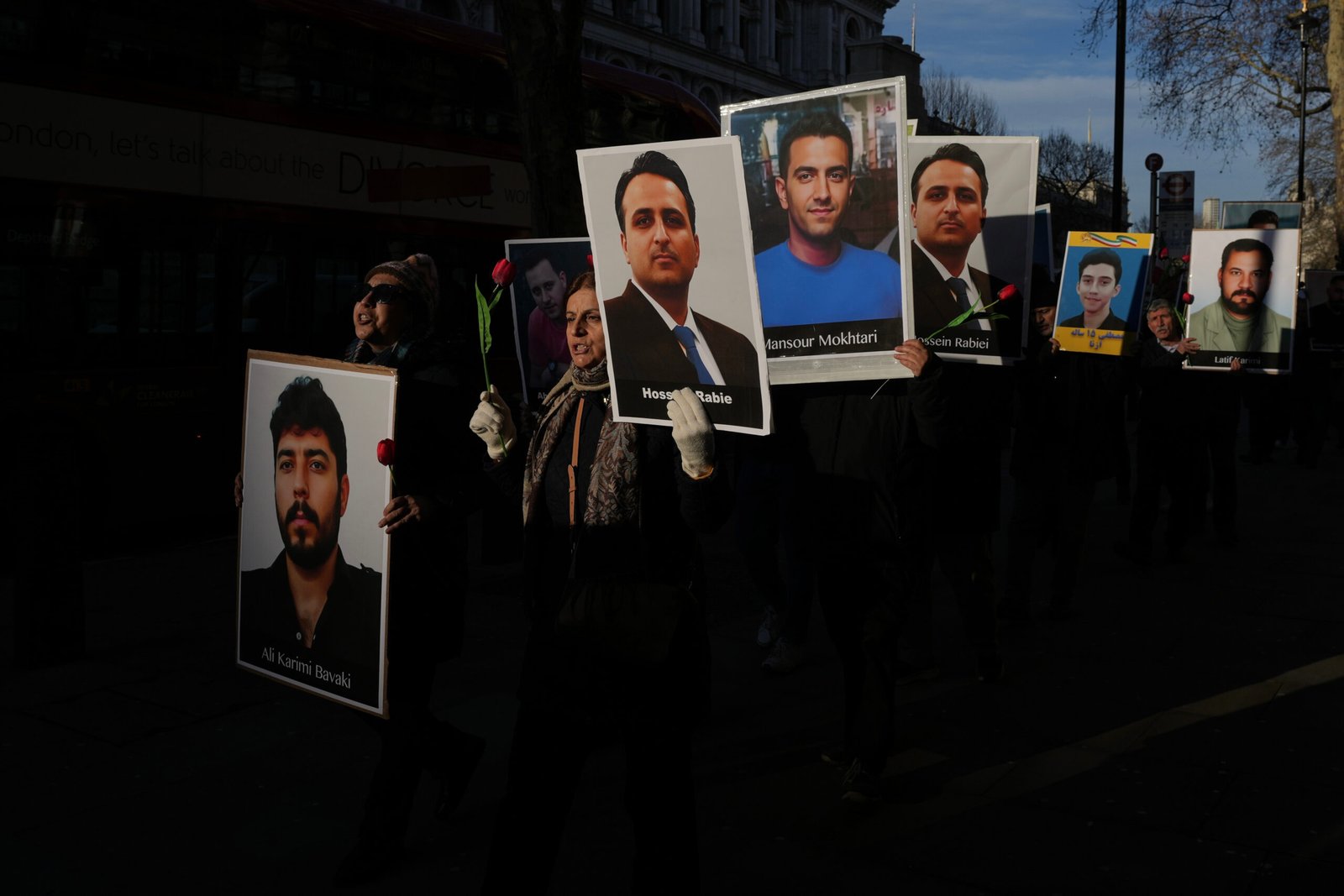

A growing number of families across Iran report that security forces are demanding large payments before releasing the bodies of relatives killed during the recent nationwide protests. Accounts gathered by BBC Persian and other outlets describe a pattern in which bodies are held in mortuaries and hospitals under tight security, with release allegedly conditioned on payments ranging from hundreds of millions to one billion tomans.
Key Developments
- Widespread fatalities: Rights groups estimate that more than 2,400 people have been killed during over two weeks of protests across the country.
- Payments demanded:
- A family in Rasht reported being asked for 700 million tomans (about $5,000) to retrieve their loved one’s body from Poursina Hospital, where dozens of other protesters’ bodies were also being held.
- In Tehran, the family of a Kurdish construction worker said they were told to pay one billion tomans (about $7,000) to receive his body—an amount far beyond the means of most workers, who typically earn less than $100 a month.
- Attempts to avoid extortion: Some hospital staff have reportedly warned families to collect bodies quickly before security forces intervene and demand payment. One woman learned of her husband’s death only when hospital staff called her directly, urging her to retrieve his body before authorities arrived.
- Pressure to alter narratives:
Reports indicate that some families were told their loved ones’ bodies would be released without charge if they falsely claimed the deceased were members of the Basij paramilitary force killed by protesters, and if they participated in pro-government rallies portraying them as martyrs. - Fear-driven actions:
In at least one Tehran mortuary, families reportedly forced open a morgue door and removed bodies themselves, fearing authorities would bury them without consent or use them for political messaging. - Information blackout:
Internet restrictions and bans on foreign media have made independent verification difficult, but multiple consistent accounts from different cities suggest a systematic pattern of pressure and intimidation.
Context
The protests—among the deadliest in decades—have spread across dozens of cities, driven by public anger over economic hardship, political repression, and long-standing grievances. With communications heavily restricted, families often struggle to locate missing relatives or confirm deaths.
Ethical Note
This summary is based on verified reporting from reputable international news organisations. Sensitive details have been handled with care to protect individuals’ safety and dignity.
