


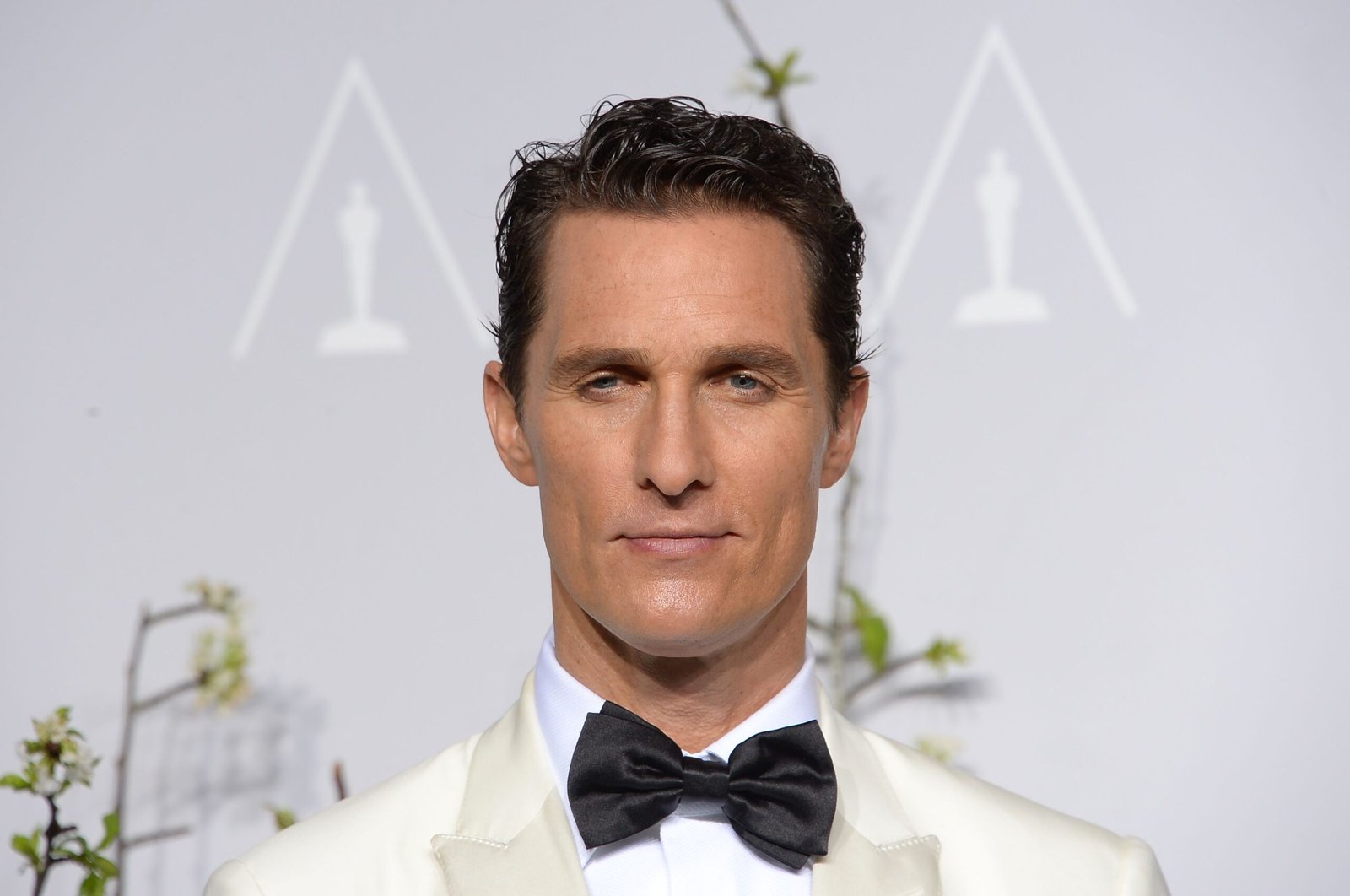
Matthew McConaughey has taken a proactive legal step to safeguard his voice, image, and signature expressions from unauthorized use by artificial‑intelligence systems, reflecting growing industry-wide concern over AI‑generated impersonations. According to filings with the U.S. Patent and Trademark Office, the Oscar‑winning actor has secured eight federal trademarks covering specific audio and video elements of his public persona, including recordings of his well‑known catchphrase “Alright, alright, alright” and short video clips featuring his likeness.

McConaughey’s legal team emphasizes that the move is not a response to any known deepfake targeting him. Instead, it is a pre‑emptive strategy designed to establish clear federal protections before misuse occurs. While existing “right of publicity” laws offer some safeguards, they vary by state and can be difficult to enforce online. By using trademark law, McConaughey aims to create a stronger, more uniform legal basis to challenge unauthorized AI‑generated replicas of his voice or appearance, even in cases where the content is not used for direct commercial gain.
The filings arrive amid broader concerns in Hollywood and the tech sector about the rapid spread of AI‑generated deepfakes. Other public figures, including Scarlett Johansson, Tom Hanks, and Taylor Swift, have raised alarms over unauthorized digital replicas, prompting calls for clearer regulation and stronger consent requirements. Some U.S. states have begun adopting targeted protections, such as Tennessee’s ELVIS Act, but comprehensive federal legislation remains under debate.
McConaughey, who has previously collaborated with AI voice‑generation company ElevenLabs to create an authorized synthetic version of his voice for his newsletter, says the goal is not to reject AI technology but to ensure that consent and attribution remain central as the technology evolves. His legal team argues that treating elements of his identity as trademarked assets may offer a new model for protecting individuals—particularly public figures—in an era where digital likenesses can be replicated with increasing ease.
