


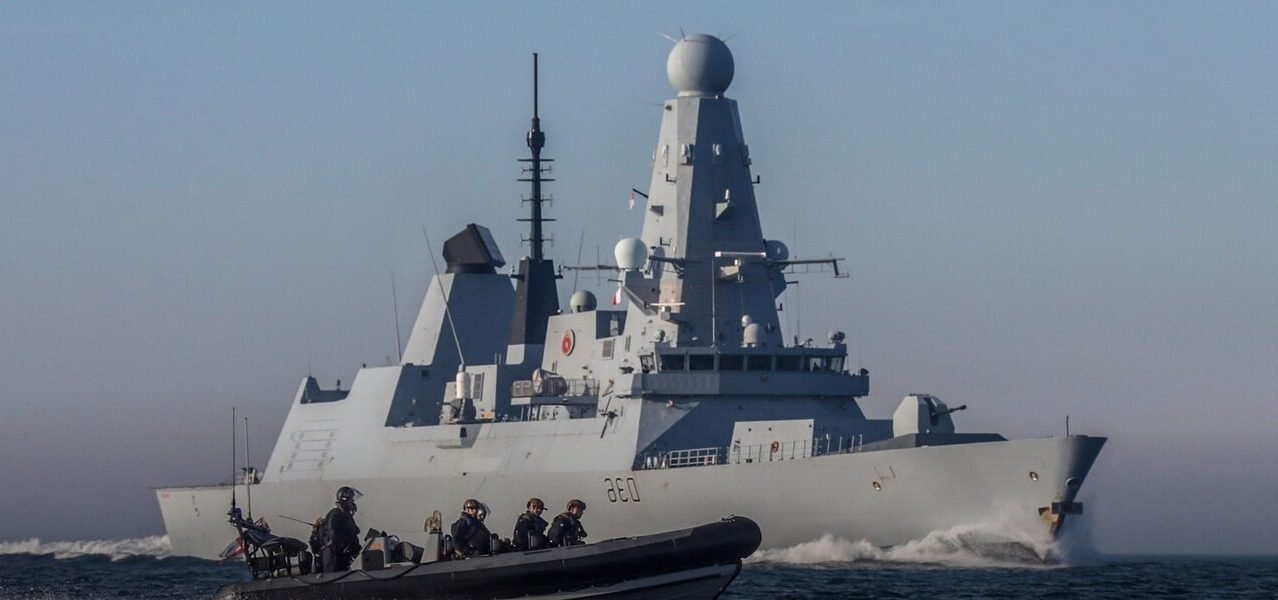
Britain Set to Lose Final Royal Navy Warship in the Gulf After 46 Years of Continuous Presence
A decision to withdraw the UK’s final Royal Navy warship from the Gulf has ignited a wave of criticism from defence experts, former naval chiefs, and political figures, who warn the move risks undermining Britain’s global credibility and regional security commitments. The development marks the first time in nearly half a century that the UK will have no fighting vessel stationed in the strategically vital waters of the Middle East.

The withdrawal centres on HMS Middleton, a 41‑year‑old Hunt‑class mine countermeasure vessel currently based at the UK Naval Support Facility in Bahrain. Reports indicate the ship could return to British waters as early as March, with no replacement planned. This shift follows the recent retirement of HMS Lancaster, the Royal Navy’s longest‑serving Type 23 frigate.
A 46‑Year Era Comes to an End
Since 1980, the UK has maintained a permanent naval presence in the Gulf, supporting maritime security, counter‑terrorism operations, and freedom of navigation through the Strait of Hormuz. The region remains one of the world’s most sensitive geopolitical flashpoints, with ongoing tensions involving Iran, instability in Syria, and concerns over militant activity.
The withdrawal means the UK’s long‑standing maritime mission, Operation Kipion, will continue without a dedicated Royal Navy surface vessel for the first time since its inception.
A senior Royal Navy officer will remain stationed at HMS Juffair in Bahrain, but—at least temporarily—will have no ships under command.
Defence Community Sounds the Alarm
The decision has been met with unusually sharp criticism from former naval leaders.
Admiral Lord West, former First Sea Lord, described the move as “a terrible error,” arguing that the Gulf’s volatility demands a consistent British presence.
“It’s extremely unfortunate that our Navy has been reduced to such a level that we can’t have a frigate or offshore patrol vessel based in the Gulf,” he told The Telegraph. “To not have that is a terrible error.”
Defence analyst Francis Tusa warned that the withdrawal signals the end of the UK’s ambition to project itself as a “global Britain,” saying the Navy’s shrinking fleet makes such aspirations “simply not doable”.
Shadow Defence Secretary James Cartlidge accused the Government of failing to properly fund defence, arguing that the move exposes a widening gap between strategic ambition and military capability.
Government Response: ‘Commitment Remains Steadfast’
The Ministry of Defence insists the UK is not stepping back from the region, emphasising ongoing air operations against Daesh and continued cooperation with allies.
A spokesperson said the UK remains “steadfast in our commitment to promoting stability and peace in the Middle East,” highlighting that the withdrawal of HMS Middleton does not signal an end to British involvement in regional security efforts.
However, critics argue that without a ship permanently stationed in the Gulf, Britain’s ability to respond rapidly to crises—or to support allies such as the US Fifth Fleet—will be significantly diminished.
Fleet Pressures and Future Uncertainty
The Royal Navy is currently grappling with a shortage of operational frigates, with several ageing Type 23s being retired faster than new Type 31 and Type 26 vessels can enter service. The first of the new Type 31 frigates, HMS Venturer, is not expected to be operational until 2027.
HMS Middleton’s withdrawal also removes a niche capability: mine‑hunting operations that are crucial in the event of regional conflict or attempts to disrupt shipping lanes.
The timing is particularly sensitive. The US Sixth Fleet, also based in Bahrain, is reportedly operating with reduced numbers and without a carrier strike group, limiting Western naval options during heightened tensions with Iran.
A Strategic Gap at a Critical Moment
The Gulf remains a vital artery for global energy supplies and a region where naval presence often serves as a deterrent. Analysts warn that Britain’s absence could embolden hostile actors or complicate allied operations.
With Iran’s internal unrest unresolved and regional instability persisting, the withdrawal raises questions about whether the UK can continue to play a meaningful role in shaping Gulf security.
For now, the Royal Navy’s future presence in Bahrain remains uncertain—dependent on fleet availability, political will, and the pace of new shipbuilding.
