“Greenland Tariff Standoff Sends Shockwaves Across Europe as Danes Rally in Defiance”
A sudden tariff ultimatum issued by U.S. President Donald Trump regarding Greenland has triggered widespread political alarm across Europe and ignited some of the largest public demonstrations Denmark has seen in more than a decade.

The dispute erupted after the White House warned that the United States would impose sweeping tariffs on key European exports unless Denmark entered negotiations over what officials described as “strategic cooperation terms” relating to Greenland. Although the administration did not publicly detail the full scope of its demands, European diplomats said the ultimatum was interpreted as an attempt to pressure Denmark into concessions over security, resource access, and Arctic infrastructure.
Mass Protests Sweep Denmark
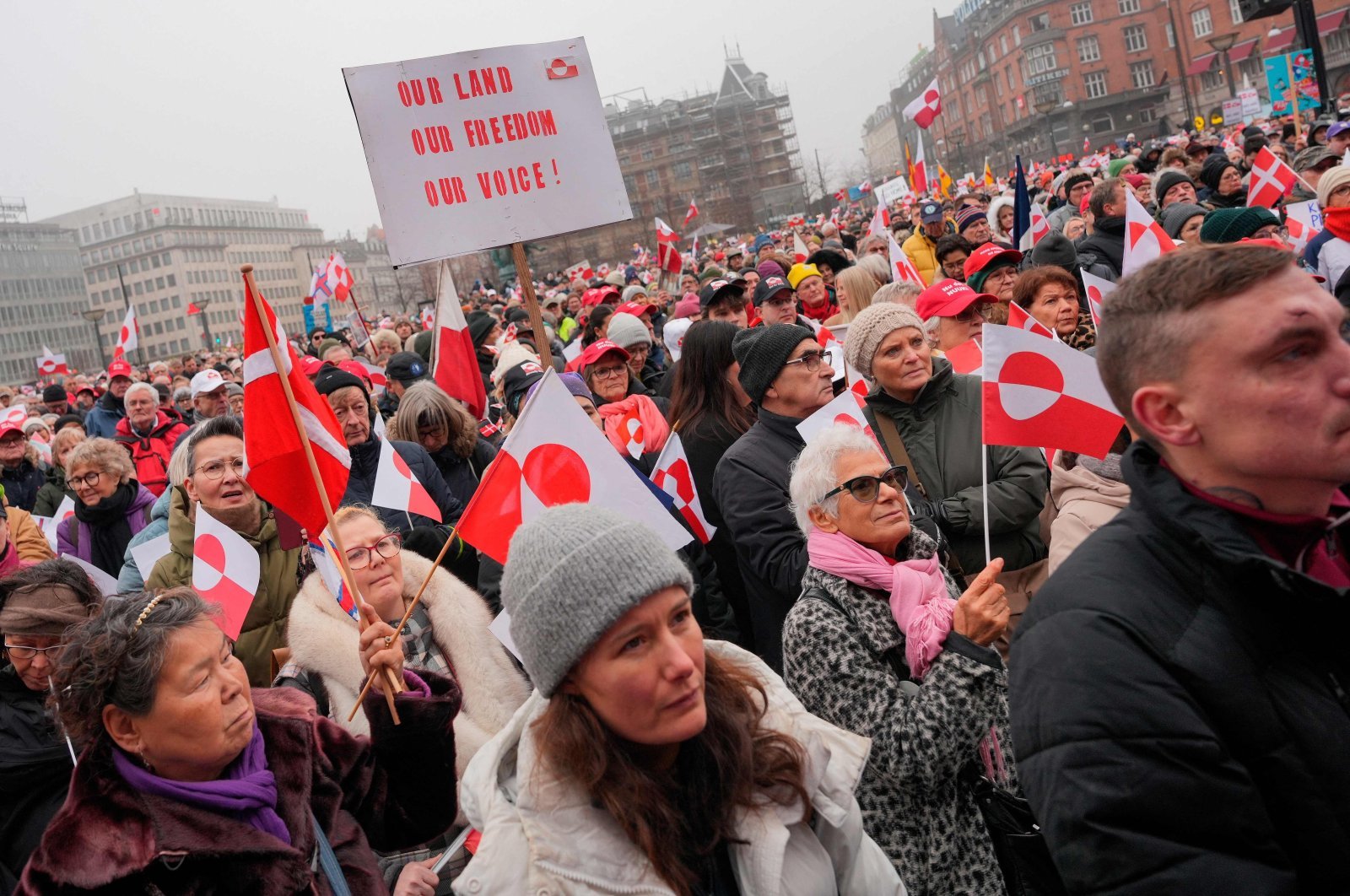
Tens of thousands of demonstrators filled the streets of Copenhagen, Aarhus, Odense, and Aalborg on Monday night, waving Danish and Greenlandic flags while chanting slogans defending sovereignty and Arctic autonomy. Protest organisers described the ultimatum as “economic coercion” and warned that it risked destabilising long‑standing diplomatic norms.
Greenlandic community leaders joined the demonstrations, emphasising that any decisions about the island’s future must involve its own elected government. “Greenland is not a bargaining chip,” one speaker told the crowd gathered outside Christiansborg Palace. “Our autonomy is not up for negotiation.”
European Leaders Express Alarm
European Union officials reacted with urgency, convening an emergency session in Brussels to assess the potential economic fallout. Several member states expressed concern that the ultimatum could escalate into a broader transatlantic trade conflict.
Diplomats said the EU is preparing a coordinated response, though leaders stressed the importance of avoiding further escalation. “Europe stands with Denmark,” one senior official said, adding that the bloc views the ultimatum as a challenge to the stability of Arctic governance and international trade norms.
Danish Government Calls for Calm but Firm Response
Prime Minister Mette Frederiksen addressed the nation late Monday, urging calm while affirming that Denmark would not enter negotiations “under threat or pressure.” She reiterated that Greenland’s self‑rule arrangements are protected under Danish law and international agreements.
The Danish government has requested consultations with both EU partners and NATO allies, citing concerns that the ultimatum could strain security cooperation in the Arctic region.
Greenland’s Government Reaffirms Autonomy
In Nuuk, Greenland’s Prime Minister stated that the island’s government had not been approached directly by U.S. officials and would reject any discussions that bypassed its democratic institutions. Greenland, which has extensive mineral resources and a strategically significant Arctic location, has long been a focal point of geopolitical interest.
Economic Stakes and Global Repercussions
Economists warn that the threatened tariffs could disrupt European manufacturing, agriculture, and shipping sectors, with ripple effects across global markets. Analysts also noted that the dispute highlights the increasing strategic competition in the Arctic, where climate change is opening new shipping routes and resource opportunities.
Public Sentiment Hardens Across Europe
Public reaction across Europe has been swift, with several capitals reporting solidarity demonstrations outside U.S. embassies. Commentators say the episode has revived debates about Europe’s economic dependence on the United States and the need for stronger collective resilience.
What Comes Next
EU leaders are expected to release a joint statement later this week, while diplomatic channels remain active behind the scenes. Danish officials say they hope tensions can be defused through dialogue, but insist that national and Greenlandic sovereignty are non‑negotiable.
The situation remains fluid, with both European and global markets watching closely for signs of escalation or compromise.