


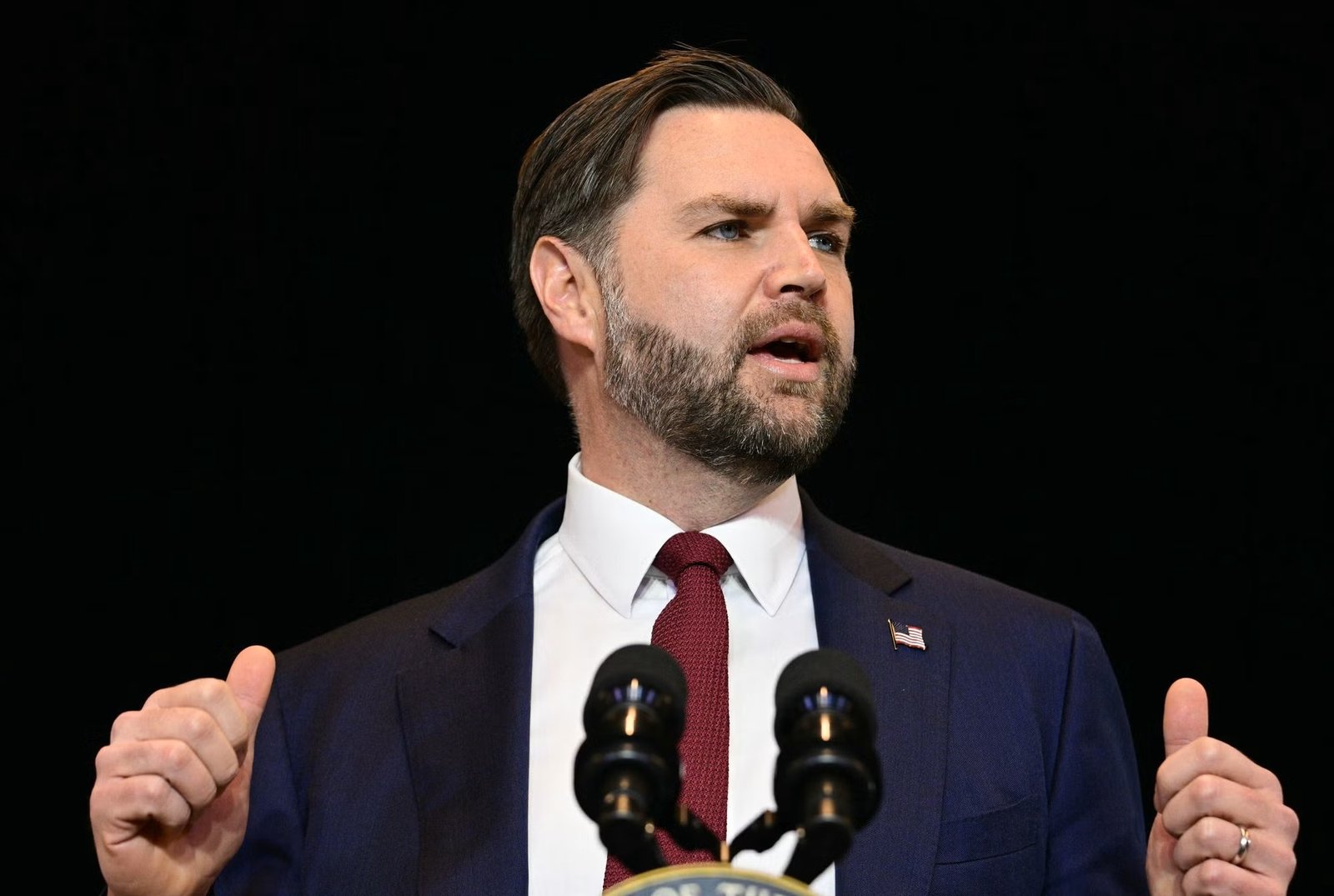

Vice President JD Vance visited Minneapolis on Thursday, calling for greater cooperation between local authorities and federal immigration officials as the city continues to experience unrest following a recent fatal shooting involving a U.S. Immigration and Customs Enforcement (ICE) officer.
Vance said his goal was to “lower the temperature” during a period of heightened tension, urging state and local officials to work more closely with federal agencies. He attributed recent turmoil to what he described as inadequate cooperation from some local leaders and actions by “far-left people,” while defending federal agents involved in recent enforcement operations.
The visit comes nearly two weeks after an ICE officer fatally shot Renee Nicole Good, a 37‑year‑old Minneapolis resident, during a confrontation on January 7. The incident has sparked sustained protests, with community members and local officials questioning federal tactics and the scale of the enforcement presence. Federal authorities have deployed thousands of officers to Minnesota as part of an intensified immigration crackdown and a related fraud investigation involving social service programs in the Somali community.
During his remarks, Vance reiterated the administration’s position that cooperation from local officials is essential to reducing conflict around immigration enforcement. He also addressed concerns about the possibility of military intervention, stating that such measures were not currently deemed necessary, despite earlier warnings from President Donald Trump about invoking the Insurrection Act.
Minnesota’s Democratic leaders, including Governor Tim Walz and Minneapolis Mayor Jacob Frey, are under federal investigation over whether they impeded law enforcement operations through public statements or local policies. Both have rejected the allegations, characterizing the inquiry as politically motivated.
Vance’s visit underscores the broader national debate over federal immigration enforcement and the role of local governments. Minneapolis has become a focal point in this conflict, with residents, community groups, and officials expressing concern about public safety, civil liberties, and the long‑term impact of large‑scale federal operations on community trust.
The vice president’s call for de‑escalation highlights the administration’s effort to manage public reaction while maintaining its enforcement agenda, leaving Minneapolis at the center of a politically charged national issue.
