


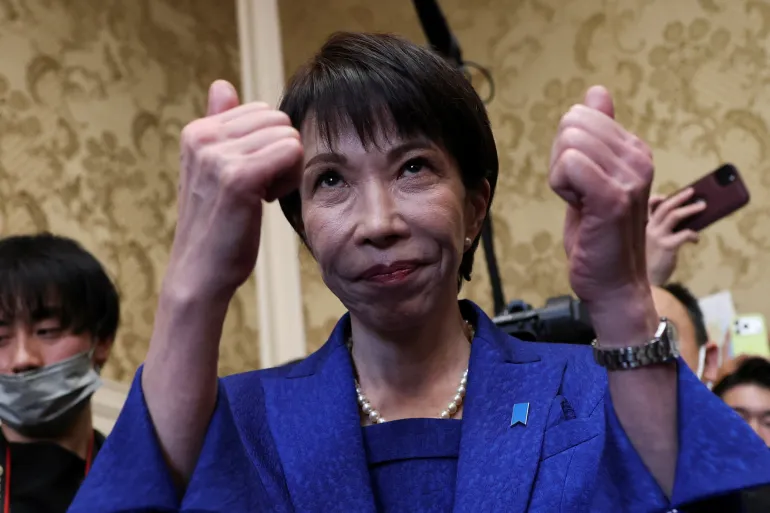
— Prime Minister Sanae Takaichi dissolved Japan’s lower house of parliament on Friday, initiating the process for a snap election scheduled for February 8. The decision, announced during an extraordinary session in Tokyo, marks a significant political moment just three months into her tenure as the country’s first female leader.

Takaichi’s move formally ends the current parliamentary term and launches a 12‑day campaign period. According to parliamentary procedure, Speaker Fukushiro Nukaga read the dissolution order aloud before lawmakers stood and chanted the traditional banzai salute. The prime minister has stated that the election will allow voters to determine whether she should continue leading the government.
The decision comes as the ruling Liberal Democratic Party (LDP) and its coalition partner hold only a slim majority in the lower house following losses in 2024. Takaichi, who maintains approval ratings near 70 percent, is seeking a stronger mandate to advance her policy agenda, which includes measures to address rising consumer prices, stagnant wages, and broader economic pressures. Public concern over inflation has been a central political issue, with recent data showing price increases outpacing the Bank of Japan’s target.
Opposition parties have criticized the timing of the dissolution, arguing that it delays parliamentary approval of a major budget aimed at supporting households and stimulating the economy. Some lawmakers contend that the early election could “sacrifice livelihoods” by slowing the rollout of planned fiscal measures.
Beyond domestic economic concerns, the political climate is shaped by heightened tensions with China following remarks by Takaichi regarding Taiwan, as well as ongoing pressure from the United States to increase defense spending. These issues are expected to feature prominently in the upcoming campaign, alongside debates over tax relief proposals and long‑term fiscal sustainability.
The snap election will determine whether Takaichi can secure a more stable governing majority or whether opposition alliances—still fragmented despite recent efforts to consolidate—can gain ground. The outcome will influence Japan’s economic direction, security posture, and legislative priorities in the year ahead.
