


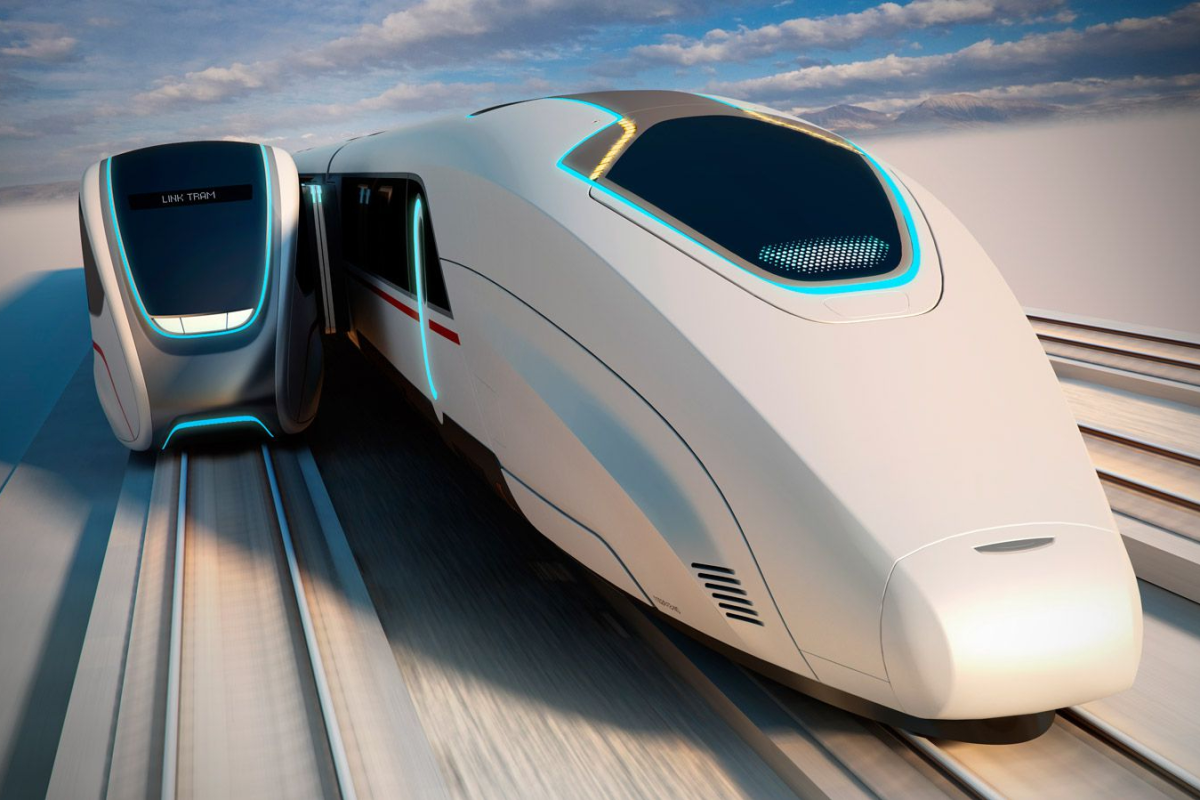
Japan is continuing the development of an ultra-high-speed magnetic levitation (maglev) train system that is widely regarded as the fastest rail technology in the world, reinforcing the country’s long-standing leadership in advanced passenger transport while prompting debate over whether similar systems could realistically be introduced in Europe.

At the center of this effort is Japan’s superconducting maglev technology, designed to allow trains to travel at speeds significantly higher than conventional high-speed rail by levitating above the track and reducing friction. The project is being developed primarily for domestic use, to ease congestion on major travel corridors and reduce journey times between large urban centers.
Supporters of the technology point to Japan’s decades of investment in rail safety, precision engineering, and infrastructure planning. High-speed rail plays a critical role in the country’s economy, transporting millions of passengers annually and supporting regional development. The maglev project is seen by Japanese transport planners as a long-term investment aimed at maintaining capacity and resilience in the national rail network.
However, the prospect of exporting this technology to Europe remains uncertain. European rail systems are largely based on conventional steel-wheel high-speed trains, which are deeply integrated into existing infrastructure and cross-border regulatory frameworks. Introducing maglev systems would require entirely new tracks, substantial public investment, and complex coordination among national governments, regulators, and rail operators.
Cost is a central issue. Maglev infrastructure is significantly more expensive to build than traditional high-speed rail, and European policymakers have generally prioritized upgrading existing networks rather than replacing them. Environmental impact assessments, land-use concerns, and differing national transport priorities further complicate the possibility of adoption.
Despite these challenges, Japanese rail technology continues to attract international attention, particularly as governments worldwide look for low-carbon transport solutions. While limited technical cooperation and research exchanges have taken place, there are currently no confirmed plans to deploy Japan’s maglev system on European soil.
The development underscores a broader global question facing transport planners: how far nations are willing to go in investing in next-generation infrastructure, and whether technological leadership alone is enough to overcome financial, regulatory, and geographic constraints.
