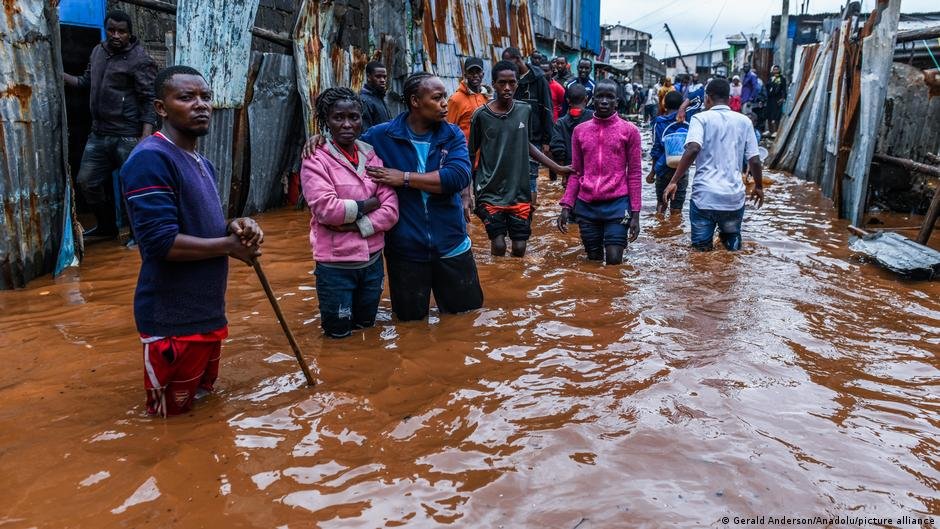


Southern Africa is reeling from a month of catastrophic flooding driven by an unprecedented combination of human‑induced climate change and the cyclical La Niña phenomenon. The floods have killed at least 200 people, displaced hundreds of thousands, and devastated communities across Mozambique, South Africa, Zimbabwe, Eswatini, and Zambia.
A rapid attribution study by World Weather Attribution (WWA) concludes that the intensity of the rainfall—described as “over a year’s rain in just days”—has increased by 40% since pre‑industrial times, a shift scientists directly link to warming oceans caused by greenhouse gas emissions.
How Climate Change Supercharged the Disaster
- Warmer ocean temperatures in the Indian and Pacific Oceans have created a more moisture‑rich atmosphere, priming the region for violent downpours.
- Researchers emphasize that human‑caused climate change has made both the likelihood and intensity of such extreme rainfall significantly higher.
- Events that once occurred roughly once every 50 years are now far more frequent and severe.
Climate scientist Izidine Pinto warns that continued fossil fuel emissions are transforming heavy rainfall events into “far more damaging catastrophes,” with Africa bearing a disproportionate share of the impacts.
La Niña’s Amplifying Role
While La Niña naturally brings wetter conditions to southern Africa, this year’s event operated within a warmer, moisture‑laden atmosphere, dramatically intensifying rainfall.
- WWA estimates La Niña made the extreme rainfall five times more likely.
- The World Meteorological Organization had predicted a weak La Niña, but warned that warmer‑than‑normal sea temperatures would heighten the risk of both floods and droughts.
Human Toll and Community Hardship
Across the region, the floods have left deep humanitarian scars:
- Mozambique: Over 75,000 people affected; 180,000 hectares of farmland submerged; food prices have soared as crops and supplies washed away.
- South Africa: Rivers burst their banks, forcing the closure of Kruger National Park, with repairs expected to cost millions.
- Zimbabwe & Eswatini: Roads, bridges, and essential infrastructure severely damaged or destroyed.
Displaced families shelter in overcrowded emergency centers, where food shortages are acute. Community kitchens struggle to feed thousands daily, often serving only one meal per day.
Infrastructure Collapse
The floods have crippled transport, health supply chains, and public services:
- Mozambique lost nearly 5,000 km of roads, disrupting delivery of medicines and essential goods.
- Bridges and highways in Zimbabwe and South Africa were washed away, isolating communities and slowing rescue efforts.
Scientific Consensus and Urgent Warnings
Researchers describe the event as a “perfect storm”—the collision of natural climate variability with long‑term warming trends.
They warn that without rapid emissions cuts and major investments in climate‑resilient infrastructure, southern Africa will face increasingly destructive floods in the coming decades.
Looking Ahead
Governments across the region are assessing damage, mobilizing relief, and planning long‑term recovery. Scientists stress that adaptation—stronger flood defenses, improved forecasting, and resilient infrastructure—is now essential for survival in a warming world.