


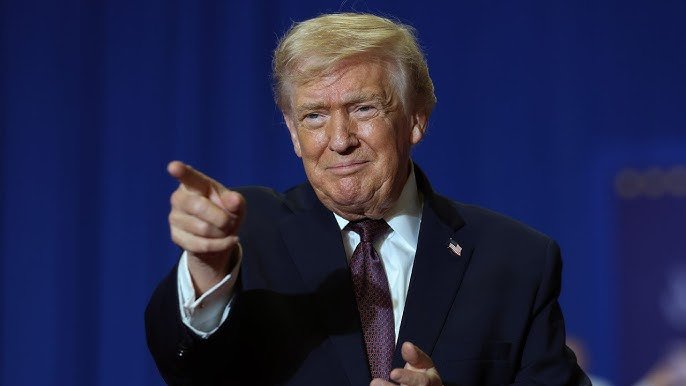

In one of the most consequential environmental policy reversals in modern U.S. history, President Donald Trump has rescinded a long‑standing scientific determination that formed the legal backbone of federal climate change regulations. The move, announced Thursday at the White House, eliminates the 2009 Environmental Protection Agency (EPA) “endangerment finding,” a declaration that greenhouse gases pose a threat to public health and welfare.
A Cornerstone of Climate Policy Dismantled
The endangerment finding, established under former President Barack Obama, has served as the legal basis for regulating emissions from vehicles, power plants, and major industrial sources under the Clean Air Act. By revoking it, the Trump administration has effectively removed the scientific and regulatory foundation for nearly all federal climate rules.
EPA Administrator Lee Zeldin, standing alongside the president, described the finding as “the Holy Grail of federal regulatory overreach,” arguing that its removal represents the largest deregulatory action in U.S. history.
Trump Calls Climate Science Basis a ‘Scam’
President Trump reiterated his long‑held skepticism of mainstream climate science, calling the endangerment finding “one of the greatest scams in history” and asserting that it “had no basis in fact or law.” He praised fossil fuels as a force that has “saved millions of lives and lifted billions of people out of poverty.”
The administration’s new rule also eliminates all federal greenhouse gas emissions standards for cars and trucks, a shift that could reshape the U.S. automotive industry and halt momentum toward electric vehicle adoption.
Far‑Reaching Implications for Climate Regulation
Experts warn that the revocation could trigger a sweeping unraveling of climate protections across multiple sectors. Without the endangerment finding, the EPA no longer has a statutory obligation to regulate greenhouse gases, potentially affecting rules governing power plants, oil and gas facilities, and industrial emitters.
Environmental law scholars say the move is likely to face immediate and intense legal challenges. Ann Carlson, a professor of environmental law, cautioned that overturning the finding will “raise more havoc” than any previous environmental rollback under the Trump administration.
Environmental Groups Condemn the Decision
Environmental organizations have described the repeal as the most significant attack on federal climate authority in U.S. history. They argue that scientific evidence supporting the endangerment finding has only strengthened in the 17 years since it was first issued.
In addition to revoking the finding, the EPA announced it will end tax credits for automakers who install automatic start‑stop systems—technology designed to reduce emissions by shutting off engines when vehicles are idle.
Legal and Political Battles Ahead
The decision sets the stage for a prolonged legal fight that could determine the future of U.S. climate policy for years to come. Courts will now be asked to weigh whether the EPA can abandon a scientific determination that the Supreme Court previously deemed essential to fulfilling its obligations under the Clean Air Act.
As the U.S. grapples with intensifying climate impacts—from extreme weather to rising sea levels—the revocation of the endangerment finding marks a pivotal moment in the nation’s environmental trajectory.
