

Table of Contents
MIDDLE EAST, March 10, 2026
The escalating conflict in the Gulf has pushed the world to the brink of a food security crisis, as the closure of the Strait of Hormuz—one of the planet’s most vital maritime corridors—threatens the flow of fertilisers, agricultural inputs, and essential food shipments. While global attention has largely focused on oil and gas disruptions, experts warn that the blockade’s impact on the world’s food supply could be even more severe.
A Chokepoint Under Siege
Since hostilities erupted on February 28, at least ten vessels have been attacked in the Strait of Hormuz, leaving hundreds of ships stranded on either side of the waterway. Insurance premiums have soared, shipping companies have halted operations, and maritime traffic has slowed to a near standstill.
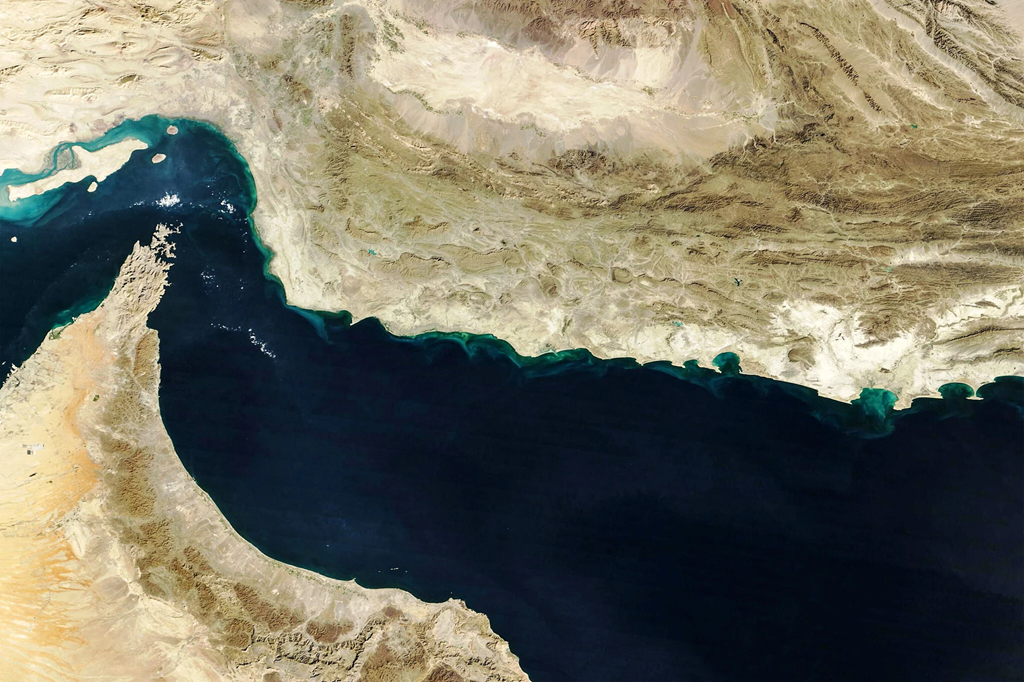
The strait—just 24 miles wide—handles nearly 30% of global oil exports, 20% of natural gas shipments, and critically, up to 30% of the world’s fertiliser exports, making it indispensable to global food production.

Fertiliser Shock: The Hidden Crisis
Fertilisers are the backbone of modern agriculture, and the Gulf region is one of the world’s largest producers of nitrogen-based fertilisers such as urea, diammonium phosphate (DAP), and anhydrous ammonia. Qatar, Saudi Arabia, Bahrain, and Oman collectively produce around 15 million metric tonnes of these fertilisers annually. Countries including India, the United States, Brazil, and Australia rely heavily on these exports to maintain crop yields.
With shipments disrupted, fertiliser prices have surged. Urea prices jumped from $450 to over $600 per tonne in just one week, raising alarms across global agricultural markets.
Experts emphasize that the crisis extends beyond fertiliser availability. Natural gas—making up roughly 70% of nitrogen fertiliser production costs—is also trapped behind the blockade, amplifying price pressures worldwide.
Ripple Effects Across Global Agriculture
A prolonged closure of the strait could trigger a cascade of agricultural challenges:
1. Rising Production Costs
Higher fertiliser and energy prices will increase the cost of producing staple crops such as wheat, maize, and rice. Even a modest rise in fertiliser prices can significantly reduce yields, especially in developing countries.
2. Threats to Perishable Goods
With more than 150 ships carrying 450,000 containers stranded in the region, refrigerated cargo—including fruits, vegetables, and dairy—is at risk of spoilage.
3. Gulf States Face Immediate Food Shortages
Countries like Qatar import over 90% of their food, mostly by sea. With maritime routes compromised and air freight limited, food availability in the Gulf could deteriorate rapidly.
A Global Food System with Thin Buffers
Agricultural experts warn that the global food system is far more vulnerable than energy markets. While oil reserves and alternative routes offer some resilience, fertiliser supply chains are tightly concentrated—and the Strait of Hormuz is their linchpin. Around one-third of globally traded urea passes through the strait, and many fertiliser plants worldwide depend on Gulf LNG to operate.
A sustained blockade could therefore trigger a “fertiliser shock,” leading to reduced crop yields, higher food prices, and potential shortages in regions already grappling with food insecurity.
Economic Shockwaves Already Felt
Oil prices have surged, with Brent crude climbing sharply as tanker traffic grinds to a halt. Analysts warn that if the blockade continues, prices could rise even further, compounding inflationary pressures worldwide.
Countries heavily dependent on Gulf energy and fertiliser imports—such as India, Japan, and South Korea—face heightened risks. India, for example, relies on the strait for nearly half its crude oil imports and a significant share of its LNG supplies.
A Crisis Demanding Global Attention
While diplomatic efforts continue, the blockade’s impact on global food security is becoming impossible to ignore. Experts urge policymakers to treat the situation not merely as an energy crisis but as a looming agricultural emergency with far-reaching humanitarian consequences.
As one analyst put it, the Strait of Hormuz is not just an oil artery—it is an “engine feeding the world.” Its closure threatens to choke off the very inputs that sustain global agriculture, placing millions at risk if the crisis persists.

