


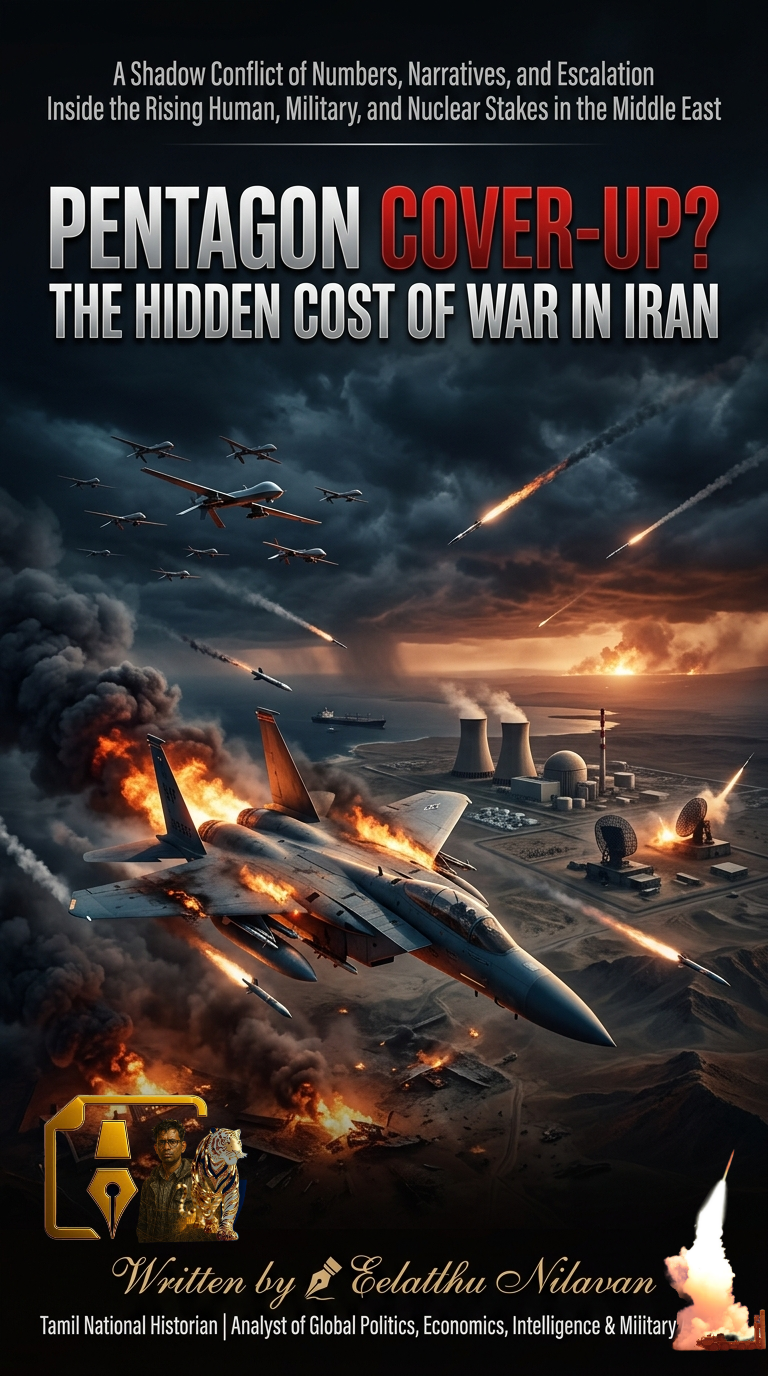
𝘼 𝙎𝙝𝙖𝙙𝙤𝙬 𝘾𝙤𝙣𝙛𝙡𝙞𝙘𝙩 𝙊𝙛 𝙉𝙪𝙢𝙗𝙚𝙧𝙨, 𝙉𝙖𝙧𝙧𝙖𝙩𝙞𝙫𝙚𝙨, 𝙖𝙣𝙙 𝙀𝙨𝙘𝙖𝙡𝙖𝙩𝙞𝙤𝙣
𝕋𝕙𝕖 ℝ𝕖𝕒𝕝 ℂ𝕠𝕤𝕥 𝕆𝕗 𝕎𝕒𝕣: ℝ𝕖𝕡𝕠𝕣𝕥𝕖𝕕 𝕧𝕤 𝕆𝕗𝕗𝕚𝕔𝕚𝕒𝕝 ℕ𝕦𝕞𝕓𝕖𝕣𝕤
Allegations of a potential cover-up within the Pentagon have ignited intense debate over the true human cost of the ongoing U.S.–Iran conflict. Investigative reports suggest that since October 2023, as many as 750 American service members may have been killed or wounded, a figure far exceeding officially disclosed numbers.
Critics argue that selective reporting by United States Central Command has obscured the scale of casualties, particularly following drone and missile strikes on U.S. bases across the Middle East. Incidents such as the attack on Prince Sultan Air Base in Saudi Arabia—reportedly injuring multiple troops—have fueled accusations of underreporting.
Beyond personnel losses, the destruction or damage of high-value assets—including an E-3 Sentry AWACS aircraft and advanced radar systems—signals a deeper strategic setback.
𝕊𝕜𝕚𝕖𝕤 𝕆𝕗 ℂ𝕠𝕟𝕥𝕖𝕤𝕥: 𝕌.𝕊. 𝔸𝕚𝕣 𝕊𝕦𝕡𝕖𝕣𝕚𝕠𝕣𝕚𝕥𝕪 ℂ𝕙𝕒𝕝𝕝𝕖𝕟𝕘𝕖𝕕
In a dramatic escalation, Iran has reportedly succeeded in downing U.S. aircraft—including an F-15 fighter jet and an A-10 Warthog—marking a significant turning point in the conflict.
A high-risk rescue operation by U.S. special forces inside Iranian territory came under heavy fire. While one crew member was rescued, another remains missing, triggering a manhunt after Iranian media announced a bounty for the pilot.
These developments challenge long-standing assumptions about U.S. air dominance and suggest that Iran’s air defense systems remain highly operational despite repeated strikes.
𝔻𝕣𝕠𝕟𝕖 𝕎𝕒𝕣𝕗𝕒𝕣𝕖 & 𝕋𝕙𝕖 𝔽𝕒𝕚𝕝𝕦𝕣𝕖 𝕋𝕠 𝔸𝕕𝕒𝕡𝕥
A central criticism from defense analysts is the Pentagon’s failure to fully absorb lessons from the war in Ukraine—particularly in counter-drone warfare.
Iran and its allies, including Hezbollah, have deployed:
• One-way attack drones
• Fiber-optic guided FPV drones (resistant to jamming)
• Coordinated missile-drone barrages
These tactics have exposed vulnerabilities in U.S. defenses, raising concerns about preparedness in modern asymmetric warfare.
𝕋𝕙𝕖 ℕ𝕦𝕔𝕝𝕖𝕒𝕣 𝔽𝕝𝕒𝕤𝕙𝕡𝕠𝕚𝕟𝕥: 𝔹𝕦𝕤𝕙𝕖𝕙𝕣 𝕆𝕟 𝔼𝕕𝕘𝕖
Tensions escalated dangerously following a projectile strike near the Bushehr Nuclear Power Plant—Iran’s only operational nuclear reactor.
Although the reactor itself remained intact and the International Atomic Energy Agency confirmed no radiation leak, the incident triggered global alarm.
Iranian Foreign Minister Abbas Araghchi warned that a direct hit could cause catastrophic radioactive fallout across Gulf nations, comparing the risk to nuclear fears surrounding Ukraine’s Zaporizhzhia facility.
𝕊𝕥𝕣𝕒𝕚𝕥 𝕆𝕗 ℍ𝕠𝕣𝕞𝕦𝕫: 𝔸 𝔾𝕝𝕠𝕓𝕒𝕝 ℂ𝕙𝕠𝕜𝕖𝕡𝕠𝕚𝕟𝕥
The Strait of Hormuz—through which nearly 20% of global oil flows—has become a central battleground.
Iran’s moves to restrict or control passage have:
• Threatened global energy markets
• Raised oil price projections toward $140/barrel
• Increased risks of maritime conflict
Simultaneously, Yemen’s Houthi movement has warned of a potential shutdown of the Bab el-Mandeb Strait, signaling a wider regional economic threat.
𝕄𝕚𝕤𝕤𝕚𝕝𝕖𝕤, ℂ𝕝𝕦𝕤𝕥𝕖𝕣 𝕎𝕒𝕣𝕙𝕖𝕒𝕕𝕤 & ℂ𝕚𝕧𝕚𝕝𝕚𝕒𝕟 𝕀𝕞𝕡𝕒𝕔𝕥
Iran’s large-scale missile strikes on Israel have marked a new phase of escalation, including the reported use of cluster munitions in urban areas such as Tel Aviv and Ramat Gan.
The consequences:
• Civilian injuries and infrastructure damage
• Power outages across multiple cities
• Increased international concern over war crimes and escalation
Meanwhile, Israeli and U.S. retaliatory strikes have targeted Iranian industrial and military infrastructure, further intensifying the cycle of conflict.
𝕊𝕥𝕣𝕒𝕥𝕖𝕘𝕚𝕔 ℝ𝕖𝕒𝕝𝕚𝕥𝕪: ℍ𝕒𝕤 𝕀𝕣𝕒𝕟 𝕎𝕚𝕥𝕙𝕤𝕥𝕠𝕠𝕕 𝕋𝕙𝕖 𝔸𝕤𝕤𝕒𝕦𝕝𝕥?
Despite claims from Donald Trump that Iran’s military capabilities have been “annihilated,” intelligence assessments suggest otherwise.
Key findings indicate:
• ~50% of missile launchers remain operational
• Underground bunkers allow rapid repair and redeployment
• Drone and missile production continues in undisclosed locations
This resilience highlights the limitations of airpower alone in dismantling deeply entrenched military infrastructure.
𝕋𝕙𝕖 ℙ𝕠𝕝𝕚𝕥𝕚𝕔𝕒𝕝 𝕊𝕥𝕠𝕣𝕞: ℙ𝕣𝕖𝕤𝕤𝕦𝕣𝕖, ℂ𝕣𝕚𝕥𝕚𝕔𝕚𝕤𝕞 & ℂ𝕒𝕝𝕝𝕤 𝔽𝕠𝕣 𝕋𝕣𝕒𝕟𝕤𝕡𝕒𝕣𝕖𝕟𝕔𝕪
The rising human and financial costs of the war have intensified scrutiny in Washington.
Critics demand:
• Full disclosure of casualty figures
• Accountability from military leadership
• Reassessment of long-term strategy
Some analysts advocate for a complete withdrawal of U.S. forces from the region, arguing that continued presence only escalates risks without clear strategic gains.
𝔸 𝕎𝕒𝕣 𝔸𝕥 𝔸 ℂ𝕣𝕠𝕤𝕤𝕣𝕠𝕒𝕕𝕤
The conflict has entered a volatile and unpredictable phase:
• Direct attacks on nuclear-adjacent sites
• Loss of advanced aircraft
• Expanding regional involvement
• Growing economic consequences
With diplomatic efforts collapsing and ultimatums replacing negotiations, the risk of a full-scale regional war—or worse, a nuclear crisis—has never been higher.
𝙒𝙧𝙞𝙩𝙩𝙚𝙣 𝙗𝙮


𝔈𝔢𝔩𝔞𝔱𝔥𝔱𝔥𝔲 𝔑𝔦𝔩𝔞𝔳𝔞𝔫
Tamil National Historian | Analyst of Global Politics, Economics, Intelligence & Military Affairs
04/04/2026
