


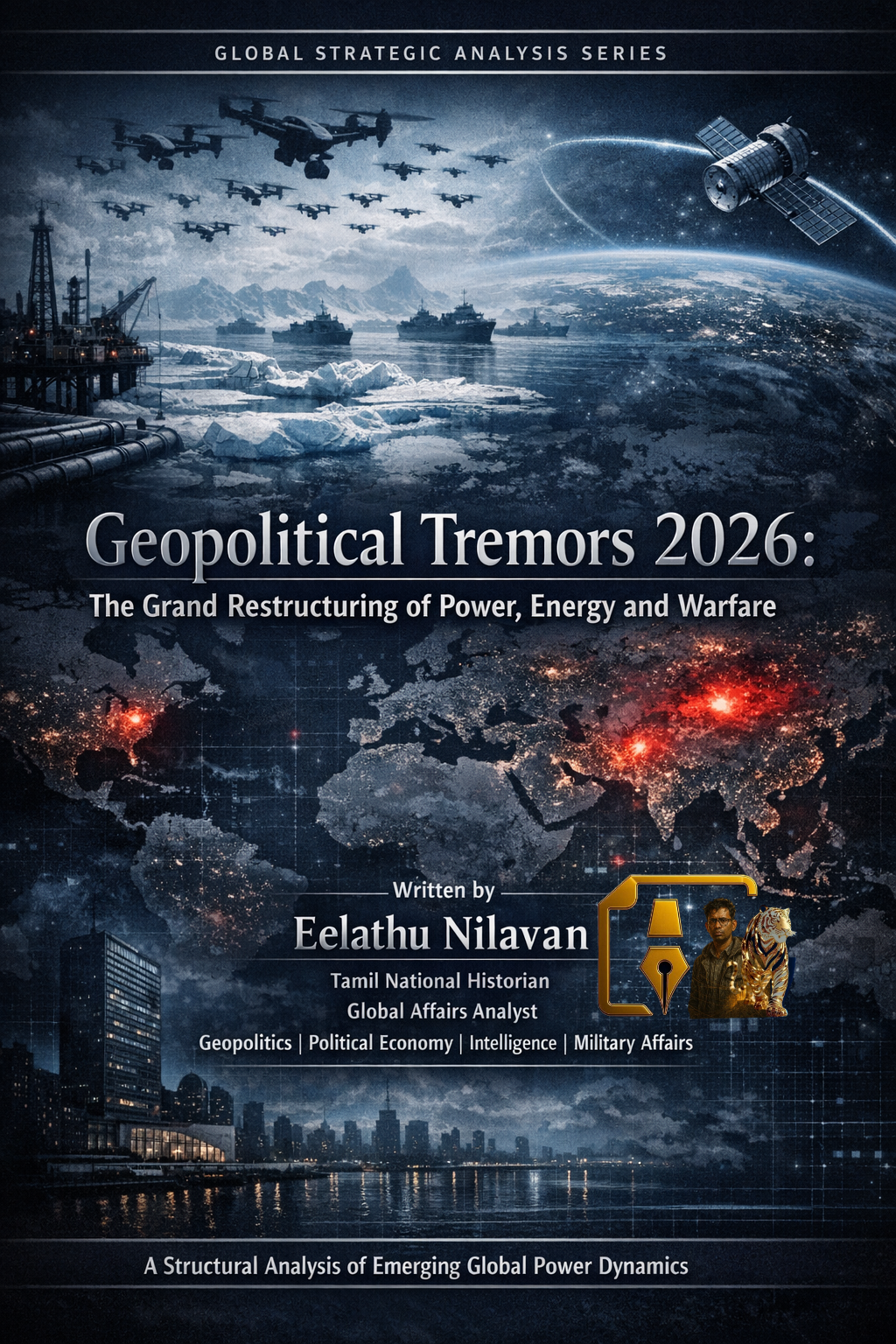
✦. 𝑫𝒓𝒐𝒏𝒆 𝑾𝒂𝒓𝒇𝒂𝒓𝒆 𝑹𝒆𝒗𝒐𝒍𝒖𝒕𝒊𝒐𝒏: 𝑹𝒖𝒔𝒔𝒊𝒂 𝑻𝒆𝒔𝒕𝒔 𝑵𝑨𝑻𝑶’𝒔 𝑨𝒊𝒓 𝑫𝒆𝒇𝒆𝒏𝒔𝒆 𝑴𝒐𝒅𝒆𝒍

Modern warfare is undergoing a structural transformation. Russia’s mass deployment of low-cost, industrial-scale drones has exposed a fundamental imbalance in NATO’s air defense doctrine.
Moscow’s strategy is simple yet disruptive:
• Deploy thousands of inexpensive drones, some constructed from foam and plywood.
• Force NATO to respond with high-cost interceptor missiles.
• Create economic and operational exhaustion.
Admiral Pierre Vandier acknowledged that Russia has studied NATO’s air defense architecture and is applying asymmetric tactics to partially suppress alliance capabilities.
This represents a shift from precision-dominated warfare to volume-based attrition warfare. The central vulnerability is economic sustainability: a $20,000 drone forcing the launch of a $1 million interceptor creates strategic imbalance.
Strategic Implications:
• NATO must accelerate cheaper interceptor drones.
• Expand radar detection grids for low-signature UAVs.
• Deploy directed-energy systems (lasers) as cost-effective counters.
If drone swarm warfare scales further, it could redefine air superiority doctrine globally.
✦. 𝑻𝒉𝒆 𝑨𝒓𝒄𝒕𝒊𝒄 𝑭𝒓𝒐𝒏𝒕: “𝑨𝒓𝒄𝒕𝒊𝒄 𝑺𝒆𝒏𝒕𝒓𝒚” 𝑨𝒏𝒅 𝑹𝒖𝒔𝒔𝒊𝒂’𝒔 𝑹𝒆𝒅 𝑳𝒊𝒏𝒆
NATO’s launch of Arctic Sentry marks the formal militarization of the High North as a coordinated alliance priority.
Russia views this as a direct challenge to its Arctic dominance. Foreign Minister Sergey Lavrov has drawn a clear red line: militarization of Greenland or hostile Arctic infrastructure will trigger “military-technical countermeasures.”
The Arctic is no longer peripheral. It is central due to:
• Melting sea lanes increasing navigability
• Untapped hydrocarbon reserves
• Strategic missile trajectories
• Proximity to North American and Russian territories
NATO’s integration of Nordic, Canadian, and U.S. assets signals a long-term posture shift. Europe is simultaneously moving toward a 5% GDP defense spending benchmark, reflecting recognition of sustained confrontation.
The Arctic may become the defining military theater of the next decade.
✦. 𝑬𝒖𝒓𝒐𝒑𝒆’𝒔 𝑬𝒙𝒊𝒔𝒕𝒆𝒏𝒕𝒊𝒂𝒍 𝑪𝒓𝒊𝒔𝒊𝒔: 𝑬𝒏𝒆𝒓𝒈𝒚, 𝑫𝒆𝒃𝒕, 𝑨𝑰, 𝑨𝒏𝒅 𝑺𝒕𝒓𝒂𝒕𝒆𝒈𝒊𝒄 𝑨𝒖𝒕𝒐𝒏𝒐𝒎𝒚
President Emmanuel Macron has issued one of the starkest warnings in modern EU history:
“If we do nothing, Europe will be swept away in five years.”
The structural challenges include:
1. End of Cheap Russian Energy
Macron declared there is “no way back.” The energy shock of 2022 is permanent. Europe now faces structurally higher costs.
2. China’s Industrial Overcapacity
European markets are increasingly flooded with Chinese exports. Germany’s trade balance dynamics reflect this shift.
3. U.S. Strategic Uncertainty
Washington’s tariffs, subsidies, and coercive trade tools have intensified transatlantic friction.
Macron proposes massive joint borrowing (Eurobonds) to fund:
• Defense expansion
• Green transition
• AI and quantum research
• Strategic industries
However, German Chancellor Friedrich Merz rejects the debt approach, insisting Europe’s core issue is productivity, not financing.
This Franco-German divide threatens the traditional engine of EU leadership.
✦. 𝑺𝒐𝒗𝒆𝒓𝒆𝒊𝒈𝒏𝒕𝒚 𝑹𝒆𝒃𝒆𝒍𝒍𝒊𝒐𝒏: 𝑶𝒓𝒃𝒂́𝒏, 𝑩𝒂𝒓𝒅𝒆𝒍𝒍𝒂, 𝑩𝒂𝒃𝒊𝒔̌ 𝑨𝒏𝒅 𝑻𝒉𝒆 𝑬𝑼 𝑰𝒏𝒕𝒆𝒓𝒏𝒂𝒍 𝑪𝒍𝒂𝒔𝒉
Across Europe, nationalist and sovereignty-focused leaders are challenging Brussels’ direction.
Viktor Orbán:
• Calls for immediate peace in Ukraine
• Demands halt to EU funds to Kyiv
• Pushes radical cuts to energy prices
• Opposes EU moves to bypass national vetoes
Andrej Babiš:
• Argues ETS carbon pricing is destroying industry
• Calls for €30 cap on allowances
• Claims profit leakage to U.S. and UK markets
Patriots for Europe (Jordan Bardella & Kinga Gál):
• Criticize €90 billion Ukraine loan
• Oppose Mercosur trade deal
• Demand Schengen reform
• Accuse EU of migration double standards
The EU faces not just external threats — but ideological fragmentation internally.
✦. 𝑻𝒉𝒆 𝑮𝒍𝒐𝒃𝒂𝒍 𝑬𝒏𝒆𝒓𝒈𝒚 𝑾𝒂𝒓: 𝑽𝒆𝒏𝒆𝒛𝒖𝒆𝒍𝒂 𝑨𝒏𝒅 𝑺𝒂𝒏𝒄𝒕𝒊𝒐𝒏𝒔 𝑫𝒊𝒑𝒍𝒐𝒎𝒂𝒄𝒚
The U.S. Treasury’s new license reopening Venezuela’s oil sector — while explicitly banning Russian, Chinese, Iranian, North Korean, and Cuban entities — signals targeted economic containment.
Russia has labeled the move discriminatory and accused Washington of weaponizing energy flows.
The implications are significant:
• Latin America becomes a contested energy theater.
• U.S.–Russia confrontation expands beyond Ukraine.
• Sanctions warfare intensifies.
Energy is no longer simply an economic resource. It is a geopolitical weapon.
✦. 𝑺𝒑𝒂𝒄𝒆 𝑨𝒔 𝑺𝒐𝒗𝒆𝒓𝒆𝒊𝒈𝒏𝒕𝒚: 𝑹𝒖𝒔𝒔𝒊𝒂’𝒔 𝑬𝒍𝒆𝒌𝒕𝒓𝒐-𝑳 𝑴𝒊𝒔𝒔𝒊𝒐𝒏
The successful Proton-M launch of Elektro-L No. 5 reinforces Russia’s independent meteorological and orbital monitoring capability.
Beyond weather forecasting, such satellites provide:
• Aviation safety data
• Maritime monitoring
• Magnetosphere research
• Climate modeling inputs
Space capability now intersects with strategic autonomy. Nations unable to sustain independent orbital infrastructure risk technological dependence.
✦. 𝑻𝒉𝒆 𝑼𝑵 𝑷𝒐𝒘𝒆𝒓 𝑺𝒕𝒓𝒖𝒈𝒈𝒍𝒆: 𝑴𝒖𝒍𝒕𝒊𝒑𝒐𝒍𝒂𝒓 𝒗𝒔. 𝑼𝒏𝒊𝒑𝒐𝒍𝒂𝒓
Maria Zakharova’s speech frames the current global conflict as systemic:
• Russia claims the UN is being steered by a Western minority.
• Moscow defends referenda in Crimea and Donbas as legitimate.
• It warns against revival of unipolar dominance.
Whether one accepts this framing or not, the geopolitical reality is clear:
The post-Cold War order is fragmenting.
Power centers are diversifying.
Institutions are contested.
Economic blocs are re-aligning.
✦. 𝑪𝑶𝑵𝑪𝑳𝑼𝑺𝑰𝑶𝑵: 𝑨 𝑺𝒀𝑺𝑻𝑬𝑴 𝑰𝑵 𝑻𝑹𝑨𝑵𝑺𝑰𝑻𝑰𝑶𝑵
The world in 2026 is not defined by a single war, but by systemic restructuring:
• Drone swarms redefining military economics
• Arctic militarization accelerating
• Europe confronting strategic autonomy
• Energy weaponization expanding
• UN legitimacy debated
• Space sovereignty reinforced
We are witnessing not isolated crises — but an integrated geopolitical shift.
The emerging order will be shaped by three variables:
• Economic sustainability
• Technological supremacy
• Political cohesion
The alliances that adapt fastest to this new era of hybrid warfare, energy competition, and strategic autonomy will define the next global balance of power.
The transformation is no longer theoretical.
It is operational.

╭────────────────────╮
Written by Eelaththu Nilavan
╰────────────────────╯
13/02/2026
