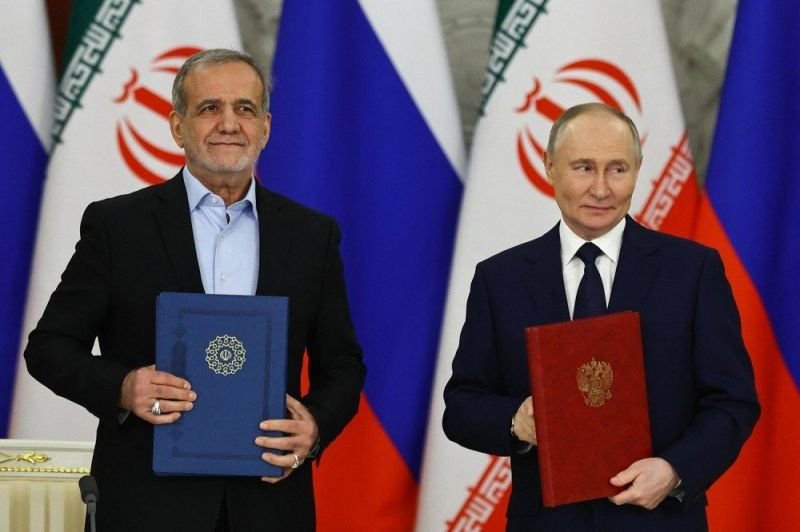

Middle East, March 7, 2026
In a development that signals a deepening geopolitical alignment amid an escalating Middle East conflict, Russia has begun supplying Iran with intelligence on the locations and movements of United States military assets, according to multiple individuals familiar with U.S. intelligence assessments.
Russia’s Intelligence Pipeline to Iran
Sources indicate that Moscow has provided Tehran with satellite imagery and other intelligence products detailing U.S. troops, aircraft, and naval deployments across the region. Much of this intelligence reportedly originates from Russia’s advanced network of overhead reconnaissance satellites, marking the first confirmed instance of direct Russian involvement in Iran’s war effort.
While U.S. officials have not publicly confirmed whether any specific Iranian strikes were guided by Russian intelligence, several recent drone attacks have targeted areas where American personnel were present. One such strike on a makeshift U.S. facility in Kuwait killed six service members, underscoring the heightened risks facing American forces.
Unclear Motives, Expanding Partnerships
It remains uncertain what Russia expects in return for its assistance. The two nations have, however, expanded military cooperation in recent years—particularly in missile and drone technology. Iran has supplied Russia with Shahed drones and ballistic missiles for use in Ukraine, while Moscow has supported Tehran’s nuclear ambitions and helped establish drone‑production infrastructure inside Russia.
U.S. intelligence also suggests that China may be preparing to offer Iran financial support, spare parts, and missile components. Beijing, heavily reliant on Iranian oil, has reportedly pressured Tehran to maintain safe maritime passage through the Strait of Hormuz. However, China has so far avoided direct involvement in the conflict.
Washington Responds with Caution
U.S. Defense Secretary Pete Hegseth has downplayed the operational impact of Russia’s intelligence sharing, stating that American commanders are “tracking everything” and adjusting battle plans accordingly. He emphasized that the U.S. does not believe the Russian‑Iranian cooperation places American personnel at heightened risk, asserting that U.S. forces remain firmly in control of the battlefield.
White House officials similarly dismissed concerns, insisting that the ongoing U.S.‑led campaign—referred to as Operation Epic Fury—continues to “dominate” Iranian military capabilities. According to administration statements, Iran’s missile capacity, naval forces, and command structures have suffered severe degradation since the conflict began.
Geopolitical Stakes Continue to Rise
Russia’s intelligence support to Iran underscores the widening international dimensions of the conflict, raising questions about how far Moscow is willing to go in backing Tehran. Analysts warn that such cooperation could complicate U.S. operations and increase the risk of miscalculation among major powers already at odds in other global arenas.
The U.S. military presence in the region remains substantial, with more than 50,000 troops, over 200 fighter jets, and two aircraft carriers currently engaged in operations against Iran. Officials have not indicated how long the campaign may continue.
As the conflict evolves, the emerging Russia‑Iran intelligence axis represents a significant shift in wartime dynamics—one that could reshape strategic calculations across the Middle East and beyond.