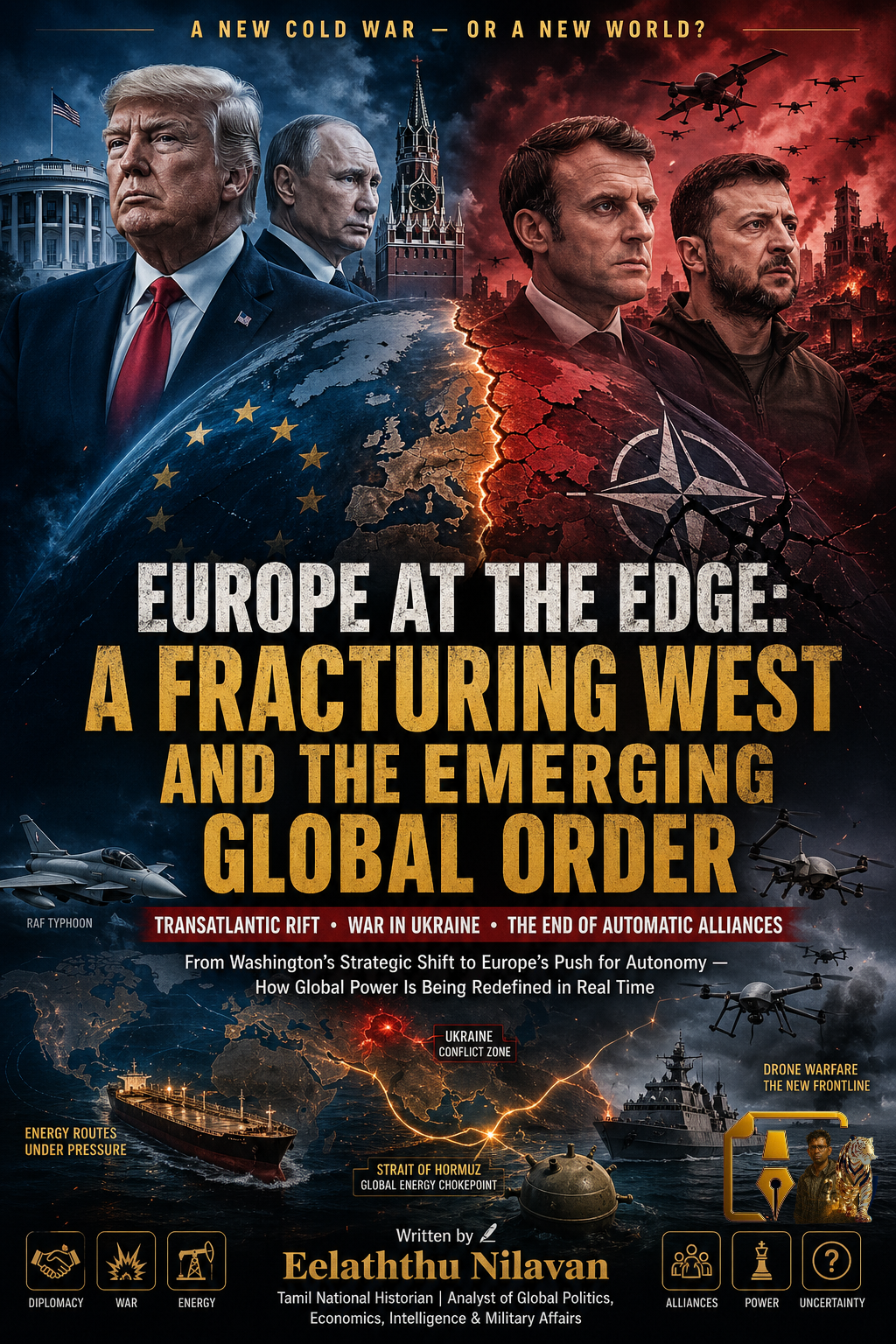

𝙏𝙍𝘼𝙉𝙎𝘼𝙏𝙇𝘼𝙉𝙏𝙄𝘾 𝙍𝙄𝙁𝙏, 𝙒𝘼𝙍 𝙄𝙉 𝙐𝙆𝙍𝘼𝙄𝙉𝙀 & 𝙏𝙃𝙀 𝙍𝙀𝙎𝙃𝘼𝙋𝙄𝙉𝙂 𝙊𝙁 𝙂𝙇𝙊𝘽𝘼𝙇 𝙋𝙊𝙒𝙀𝙍
𝘼𝙈𝙀𝙍𝙄𝘾𝘼’𝙎 𝙋𝙊𝙇𝙄𝘾𝙔 𝙋𝙄𝙑𝙊𝙏: 𝘼 𝙏𝙍𝘼𝙉𝙎𝘼𝘾𝙏𝙄𝙊𝙉𝘼𝙇 𝙒𝙀𝙎𝙏
A profound transformation is unfolding in global geopolitics as Donald Trump signals a dramatic shift in U.S. foreign policy. At the center of this change is his proposal to invite Vladimir Putin to the upcoming G20 Summit in Miami—effectively challenging the long-standing Western consensus to isolate Moscow following the Annexation of Crimea.
Trump’s criticism of Russia’s removal from the G8 as “stupid” reflects a broader recalibration: diplomacy over isolation, engagement over exclusion. His administration increasingly frames global conflicts—including the war in Ukraine—not as ideological battles, but as negotiable disputes between leaders.
Simultaneously, U.S. Secretary of Defense Pete Hegseth has reinforced a stark message to Europe: the United States will no longer act as an automatic guarantor of European security. Instead, Washington is adopting a transactional alliance model, demanding measurable contributions rather than symbolic alignment.
𝙀𝙐𝙍𝙊𝙋𝙀 𝙐𝙉𝘿𝙀𝙍 𝙋𝙍𝙀𝙎𝙎𝙐𝙍: 𝙁𝙍𝙊𝙈 𝘼𝙇𝙇𝙄𝙀𝘿 𝙏𝙊 𝘼𝙐𝙏𝙊𝙉𝙊𝙈𝙊𝙐𝙎
European leaders are increasingly alarmed. Emmanuel Macron has openly warned that the United States can no longer be considered a fully reliable ally. His call for “strategic autonomy” underscores a growing realization: Europe must defend itself in a world shaped by Washington, Moscow, and Beijing.
Macron advocates:
• A unified European defense framework
• Joint weapons production
• Development of a next-generation European fighter jet
• Reduced dependence on U.S. military infrastructure
This vision is echoed across the European Union, where policymakers now see the war in Ukraine not just as a regional conflict—but as a test of Europe’s long-term sovereignty.
𝙒𝘼𝙍 𝙀𝙎𝘾𝘼𝙇𝘼𝙏𝙄𝙊𝙉: 𝙍𝙐𝙎𝙎𝙄𝘼 𝙑𝙎 𝙐𝙆𝙍𝘼𝙄𝙉𝙀 𝘼𝙉𝘿 𝙉𝘼𝙏𝙊’𝙎 𝙁𝙍𝘼𝙂𝙄𝙇𝙀 𝙁𝙇𝘼𝙉𝙆
The battlefield situation is intensifying dramatically. Russia has launched one of its largest aerial assaults to date, deploying over 600 drones and dozens of missiles across Ukrainian cities including Dnipro, Kharkiv, and Odesa.
The conflict has now dangerously spilled toward NATO territory:
• British RAF Typhoons were scrambled from Romania
• Drone debris struck the Romanian city of Galați
• Poland activated air defense patrols
• Ukrainian port infrastructure near NATO borders was targeted
This marks the first confirmed physical damage inside a NATO member state, raising alarm within NATO.
Meanwhile, Russia claims:
• Major territorial advances in Kharkiv and Donetsk
• Destruction of Western-supplied systems like HIMARS
• Interception of thousands of drones
These claims remain unverified but signal Moscow’s intent to project overwhelming force.
𝙀𝘼𝙎𝙏𝙀𝙍𝙉 𝙁𝙇𝘼𝙉𝙆 𝙑𝙐𝙇𝙉𝙀𝙍𝘼𝘽𝙄𝙇𝙄𝙏𝙔: 𝘼 10-𝘿𝘼𝙔 𝙒𝘼𝙍?
European defense assessments paint a troubling picture. Andrius Kubilius warned that Baltic nations could withstand a Russian attack for only 10 days without NATO reinforcement.
Key vulnerabilities include:
• Slow military logistics across Europe
• Infrastructure unable to support rapid troop movement
• Heavy dependence on U.S. military support
The implication is stark: Europe is not yet prepared for sustained independent defense.
𝙐.𝙎. 𝙋𝙐𝙇𝙇𝘽𝘼𝘾𝙆: 𝙀𝙎𝙏𝙊𝙉𝙄𝘼 𝘼𝙉𝘿 𝙏𝙃𝙀 𝘾𝙍𝙄𝙎𝙄𝙎 𝙊𝙁 𝙍𝙀𝙇𝙄𝘼𝘽𝙄𝙇𝙄𝙏𝙔
In a move that has shocked NATO’s eastern members, the U.S. has suspended weapons deliveries to Estonia, including HIMARS rockets and Javelin missiles.
This decision—reportedly driven by resource diversion to Middle East operations—has triggered:
• Immediate defense gaps in Estonia
• Strategic anxiety across the Baltic region
• Questions about U.S. commitment to NATO
Even as allies publicly downplay the impact, privately there is growing concern that the alliance’s core principle of collective defense is weakening.
𝙀𝙉𝙀𝙍𝙂𝙔, 𝙎𝘼𝙉𝘾𝙏𝙄𝙊𝙉𝙎 & 𝙂𝙀𝙊𝙋𝙊𝙇𝙄𝙏𝙄𝘾𝘼𝙇 𝙋𝘼𝙍𝘼𝘿𝙊𝙓
Energy security has become a central battleground.
Russian Foreign Ministry spokesperson Maria Zakharova mocked EU sanctions on Russian oil, describing them as self-destructive and likening Europe’s strategy to “eating cactus.”
Despite sanctions:
• Russian oil continues to influence global markets
• Europe faces rising energy costs
• Middle East instability compounds the crisis
At the same time, tensions in the Strait of Hormuz—through which 20% of global oil flows—have intensified.
𝙏𝙃𝙀 𝙃𝙊𝙍𝙈𝙐𝙕 𝙁𝙍𝙊𝙉𝙏: 𝙀𝙐𝙍𝙊𝙋𝙀 𝙎𝙏𝙀𝙋𝙎 𝙄𝙉
The United Kingdom, alongside France, is leading efforts to secure the Strait amid Iranian threats and maritime disruptions.
Under Keir Starmer and Macron:
• A 30-nation coalition is forming
• Royal Navy mine-clearing units are on standby
• Europe is attempting independent crisis management
However, Trump has dismissed European military contributions, deepening the divide within the Western alliance.
𝙐𝙆𝙍𝘼𝙄𝙉𝙀’𝙎 𝙁𝙐𝙏𝙐𝙍𝙀: 𝘽𝙀𝙏𝙒𝙀𝙀𝙉 𝙎𝙐𝙋𝙋𝙊𝙍𝙏 𝘼𝙉𝘿 𝙇𝙄𝙈𝙄𝙏𝙎
Despite continued Western backing, Ukraine faces mounting diplomatic barriers:
• EU membership is delayed indefinitely
• NATO membership is deemed “unrealistic” in the near term
• Western support is shifting from integration to containment
President Volodymyr Zelenskyy continues to push for full integration, but the gap between Kyiv’s ambitions and Western willingness is widening.
𝘾𝙊𝙉𝘾𝙇𝙐𝙎𝙄𝙊𝙉: 𝘼 𝙁𝙍𝘼𝙂𝙈𝙀𝙉𝙏𝙄𝙉𝙂 𝙒𝙀𝙎𝙏, 𝘼 𝙍𝙀𝙎𝙃𝘼𝙋𝙀𝘿 𝙒𝙊𝙍𝙇𝘿
The convergence of these developments points to a historic inflection point:
• The United States is redefining alliances based on interests, not ideology
• Europe is scrambling to build independent power
• Russia is exploiting fractures within the West
• NATO faces its most serious internal strain in decades
What is emerging is not merely a policy shift—but the early architecture of a new global order, where alliances are fluid, power is decentralized, and the certainties of the post-Cold War era no longer apply.

Written by 𝐄𝐞𝐥𝐚𝐭𝐡𝐭𝐡𝐮 𝐍𝐢𝐥𝐚𝐯𝐚𝐧
Tamil National Historian | Analyst of Global Politics, Economics, Intelligence & Military Affairs
26/04/2026
The views expressed in this article are the author’s own and do not necessarily reflect Amizhthu’s editorial stance.