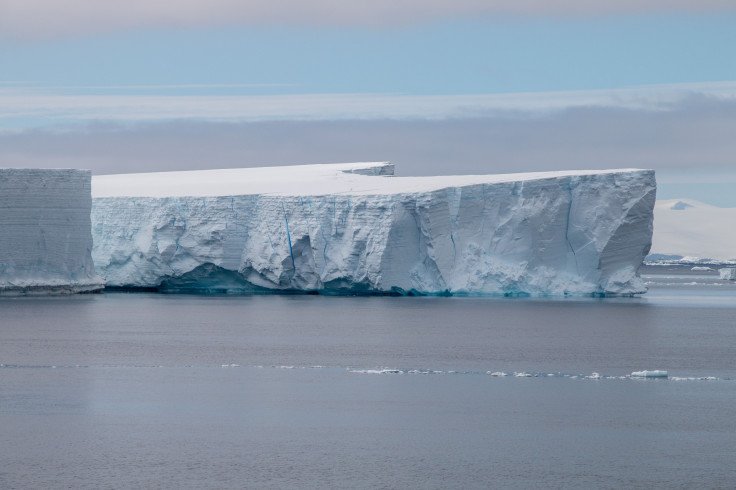

June 17, 2026 — (Reporting from Remote Antarctic Monitoring Desk)
A rare and alarming heat wave in Antarctica has pushed temperatures to levels scientists describe as “climatically shocking,” accelerating the melt rate of several major glaciers and raising fresh concerns about global sea‑level rise. Initial satellite readings from international climate observatories confirmed that parts of East Antarctica experienced temperatures 20–25°C above seasonal norms, an anomaly that experts say could reshape long‑term projections.
🔥 Unprecedented Temperature Spike
Researchers from the World Meteorological Organisation reported that the Concordia Station region recorded temperatures hovering near freezing—an extraordinary deviation for an area that typically remains around –50°C during this period.
Climate scientist Dr Lena Hartmann described the event as “a red‑flag moment for polar stability,” noting that such spikes were once considered virtually impossible.
🧊 Glaciers Responding at Alarming Speed
Early data from the Antarctic Ice Sheet Monitoring Program indicate rapid thinning across key glaciers, including the Denman and Totten systems—both critical to global sea‑level equilibrium.
Field sensors detected increased meltwater flow, surface fracturing, and destabilisation along ice shelves that act as natural barriers preventing inland ice from sliding into the ocean.
🌍 Global Implications
Environmental analysts warn that if the current heat anomaly persists, the world could see measurable sea‑level rise sooner than previously forecast.
The Intergovernmental Panel on Climate Change has repeatedly emphasised that Antarctica’s ice sheet contains enough frozen water to raise global sea levels by more than 50 metres—though such a scenario would unfold over centuries.
Still, even a few centimetres of rise within the next decade could significantly affect coastal cities, ecosystems, and weather patterns.
🛰️ Scientists Call for Immediate Monitoring
International research teams are now deploying additional satellite passes and automated sensors to track the evolving situation.
Dr Hartmann stressed that “the world must treat this as a critical climate event,” urging governments to strengthen their climate-mitigation commitments and accelerate emissions-reduction strategies.
🧭 What Happens Next
Meteorologists expect the heat wave to subside within days, but its impact on the ice sheet may continue for months.
Long‑term studies will determine whether this event is an isolated anomaly or part of a broader pattern linked to global warming.