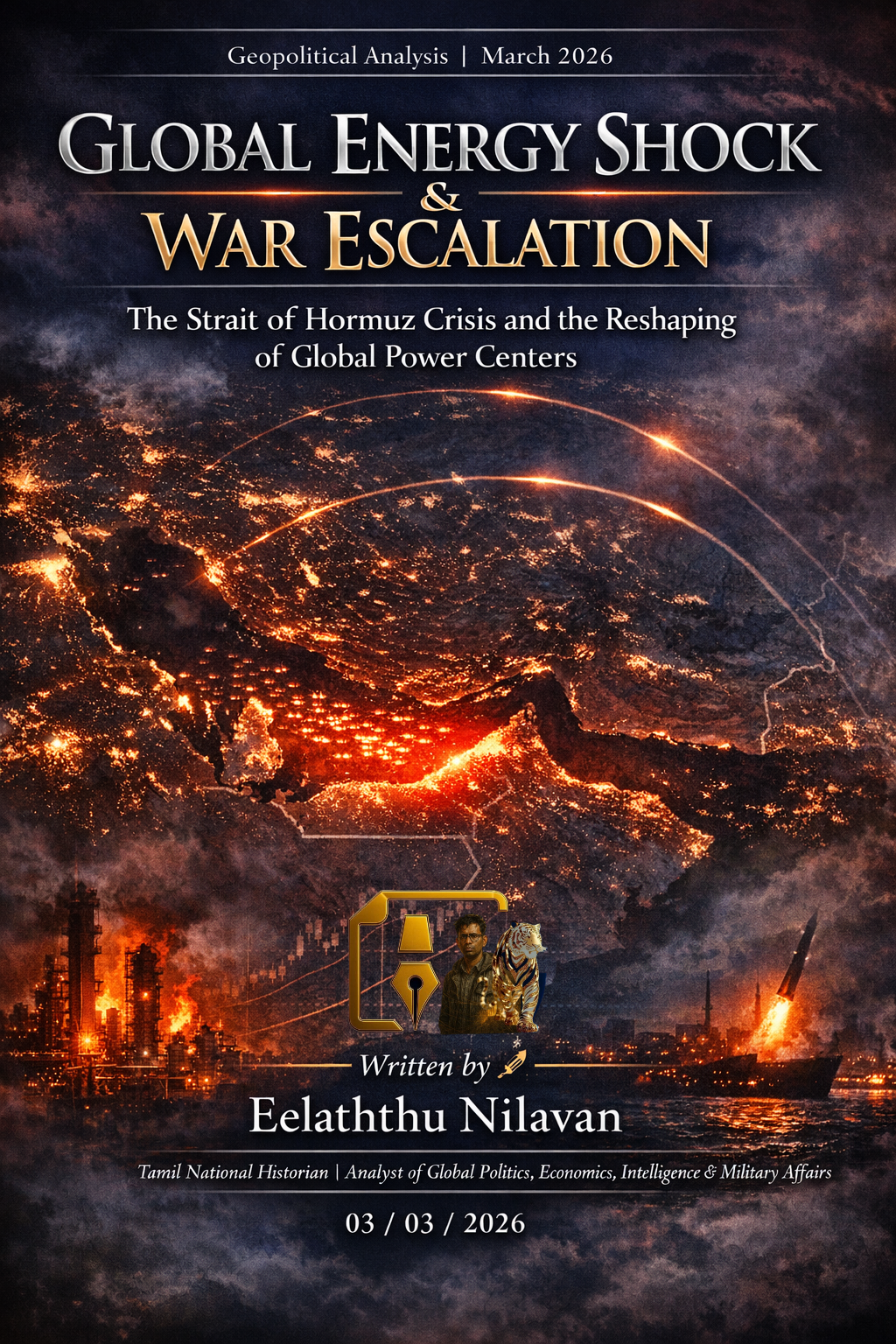

𝑻𝑯𝑬 𝑺𝑻𝑹𝑨𝑰𝑻 𝑶𝑭 𝑯𝑶𝑹𝑴𝑼𝒁: 𝑻𝑯𝑬 𝑾𝑶𝑹𝑳𝑫’𝑺 𝑴𝑶𝑺𝑻 𝑽𝑼𝑳𝑵𝑬𝑹𝑨𝑩𝑳𝑬 𝑨𝑹𝑻𝑬𝑹𝒀
The sudden military escalation involving Iran has triggered one of the most dangerous global energy shocks in recent decades. At the center of this unfolding crisis lies the Strait of Hormuz — a narrow maritime corridor through which nearly 20% of the world’s daily oil supply transits.
With more than 200 oil tankers reportedly stalled outside the strait awaiting security clearance, the situation has evolved from a regional military confrontation into a global economic emergency. Even a temporary disruption at Hormuz has historically sent oil markets into panic. This time, the risk is not theoretical — it is unfolding in real time.
Brent crude surged nearly 13% in a single session, climbing toward $82 per barrel, with analysts warning that sustained instability could push prices beyond $100. The shockwaves are not limited to oil. Gasoline futures, LNG shipments, and maritime insurance premiums have all spiked dramatically.
𝑬𝑵𝑬𝑹𝑮𝒀 𝑾𝑨𝑹𝑭𝑨𝑹𝑬 & 𝑻𝑯𝑬 𝑰𝑵𝑺𝑼𝑹𝑨𝑵𝑪𝑬 𝑪𝑶𝑳𝑳𝑨𝑷𝑺𝑬
Beyond physical strikes, a quieter but equally devastating front has opened: the insurance market. War-risk premiums for tankers entering Gulf waters have skyrocketed. In some cases, vessels are effectively uninsured — meaning they legally cannot sail.
This “insurance paralysis” compounds the physical risk of missile and drone strikes. A single drone incident near Saudi Aramco’s Ras Tanura refinery has already demonstrated how vulnerable energy infrastructure has become. Even when fires are contained quickly, market psychology reacts violently.
If shipping through Hormuz remains restricted, global supply chains — already strained by geopolitical fragmentation — could seize up again. Emerging economies may face stagflation: rising inflation combined with slowing growth.
𝑰𝑹𝑨𝑵’𝑺 “𝑴𝑶𝑺𝑨𝑰𝑪 𝑫𝑬𝑭𝑬𝑵𝑺𝑬”: 𝑨 𝑫𝑶𝑪𝑻𝑹𝑰𝑵𝑬 𝑶𝑭 𝑬𝑵𝑫𝑼𝑹𝑨𝑵𝑪𝑬
In a major strategic declaration, Iranian Foreign Minister Seyed Abbas Araghchi confirmed activation of Tehran’s “Mosaic Defense” doctrine.
Rather than relying on centralized command structures vulnerable to decapitation strikes, Iran has fragmented its missile, drone, naval, and ground capabilities into semi-autonomous operational “tiles.” This decentralized architecture allows individual units to continue functioning even if leadership hubs are destroyed.
The doctrine reflects lessons learned from two decades of U.S. wars in Iraq and Afghanistan. It reframes deterrence not as preventing strikes — but absorbing them and continuing operations. In essence, endurance itself becomes the weapon.
This signals a prolonged confrontation model rather than a short, decisive conflict.
𝑪𝑶𝑵𝑭𝑳𝑰𝑪𝑻 𝑵𝑨𝑹𝑹𝑨𝑻𝑰𝑽𝑬𝑺: 𝑪𝑳𝑨𝑰𝑴𝑺, 𝑪𝑶𝑼𝑵𝑻𝑬𝑹𝑪𝑳𝑨𝑰𝑴𝑺 & 𝑷𝑺𝒀𝑪𝑯𝑶𝑳𝑶𝑮𝑰𝑪𝑨𝑳 𝑾𝑨𝑹
The information battlefield is now as intense as the military one.
Iranian sources claim missile strikes on the USS Abraham Lincoln and multiple U.S. installations across the Gulf. The United States Central Command denies these claims, stating the carrier remains fully operational and missiles “did not come close.”
Similarly, the Islamic Revolutionary Guard Corps (IRGC) has claimed high-precision “Kheibar” missile strikes on leadership-linked sites in Israel, including facilities associated with Prime Minister Benjamin Netanyahu. Israeli authorities have not confirmed these assertions.
The divergence in narratives suggests an escalation not only in firepower but in psychological warfare — aimed at shaping domestic morale and international perception.
𝑯𝑬𝒁𝑩𝑶𝑳𝑳𝑨𝑯, 𝑻𝑯𝑬 𝑵𝑶𝑹𝑻𝑯𝑬𝑹𝑵 𝑭𝑹𝑶𝑵𝑻 & 𝑻𝑯𝑬 𝑹𝑬𝑮𝑰𝑶𝑵𝑨𝑳 𝑭𝑰𝑹𝑬𝑺𝑻𝑶𝑹𝑴
The conflict widened dramatically when Hezbollah launched rockets and drones toward northern Israel near Haifa, declaring retaliation for the reported killing of Iran’s Supreme Leader.
Israel responded with large-scale airstrikes across southern Lebanon and Beirut’s Dahiyeh suburb. The Israel Defense Forces have mobilized tens of thousands of reserve troops, signaling readiness for multi-front war.
What was once a shadow war of proxies has now transformed into overt cross-border confrontation.
𝑹𝑼𝑺𝑺𝑰𝑨’𝑺 𝑪𝑨𝑳𝑪𝑼𝑳𝑨𝑻𝑬𝑫 𝑪𝑶𝑵𝑫𝑬𝑴𝑵𝑨𝑻𝑰𝑶𝑵
Vladimir Putin and Dmitry Medvedev have sharply condemned the reported assassination of Iran’s Supreme Leader, describing it as a violation of international law and sovereignty.
While Moscow’s strategic agreement with Tehran lacks a formal mutual defense clause, Russia’s rhetoric signals diplomatic backing. The emerging alignment between Moscow and Tehran raises the possibility of deeper intelligence and military coordination.
This axis, if consolidated, would significantly alter the balance of power across Eurasia and the Middle East.
𝑼.𝑺. 𝑫𝑶𝑴𝑬𝑺𝑻𝑰𝑪 𝑩𝑨𝑪𝑲𝑳𝑨𝑺𝑯 & 𝑻𝑯𝑬 𝑷𝑶𝑳𝑰𝑻𝑰𝑪𝑺 𝑶𝑭 𝑾𝑨𝑹
Inside the United States, opposition is growing. Senator Bernie Sanders has accused President Donald Trump of dragging the country into war under contradictory justifications.
Protests in Washington, D.C. highlight deep political divisions. If oil surpasses $100 and inflation accelerates, domestic economic pressure could reshape U.S. electoral dynamics.
War abroad increasingly translates into political instability at home.
𝑮𝑳𝑶𝑩𝑨𝑳 𝑰𝑴𝑷𝑳𝑰𝑪𝑨𝑻𝑰𝑶𝑵𝑺: 𝑭𝑹𝑶𝑴 𝑬𝑵𝑬𝑹𝑮𝒀 𝑺𝑯𝑶𝑪𝑲 𝑻𝑶 𝑬𝑪𝑶𝑵𝑶𝑴𝑰𝑪 𝑭𝑹𝑨𝑮𝑴𝑬𝑵𝑻𝑨𝑻𝑰𝑶𝑵
Asia — particularly India and China — faces immediate economic strain due to heavy dependence on Gulf crude flows. Trade deficits could widen, currencies weaken, and inflation spike.
If Hormuz remains effectively restricted:
• Global oil could breach $100–$120.
• Emerging markets may face capital flight.
• Central banks may be forced to choose between fighting inflation or preventing recession.
• Supply chains could experience renewed fragmentation.
What began as targeted strikes risks becoming a systemic shock to the global economic order.
𝑨 𝑵𝑬𝑾 𝑬𝑹𝑨 𝑶𝑭 𝑷𝑹𝑶𝑳𝑶𝑵𝑮𝑬𝑫 𝑪𝑶𝑵𝑭𝑹𝑶𝑵𝑻𝑨𝑻𝑰𝑶𝑵
The defining feature of this crisis is not merely escalation — it is institutionalized endurance.
Iran’s decentralized military doctrine, Hezbollah’s opening of a northern front, Russia’s diplomatic positioning, and global energy market vulnerability all point toward a protracted confrontation model rather than a swift resolution.
The Strait of Hormuz crisis is no longer just a shipping disruption. It represents a structural test of the global economic system, the resilience of Western alliances, and the emerging multipolar order.
If sustained, this confrontation could mark the most significant geopolitical realignment since the post-9/11 era.
The world now stands at a crossroads — between containment and systemic rupture.

Written by Eelaththu Nilavan
Tamil National Historian | Analyst of Global Politics, Economics, Intelligence & Military Affairs
03/03/2026