
04 June 2026 | New Delhi, India
India’s Wealthiest Chief Ministers: New Disclosure Report Sparks National Discussion
A newly compiled nationwide analysis of official asset disclosures submitted to the Election Commission and state authorities has revealed the top 10 richest Chief Ministers in India, based on declared movable and immovable assets. The report, prepared using publicly available affidavits and state-level financial declarations, has drawn significant public attention for highlighting the widening wealth gap among political leaders across the country.
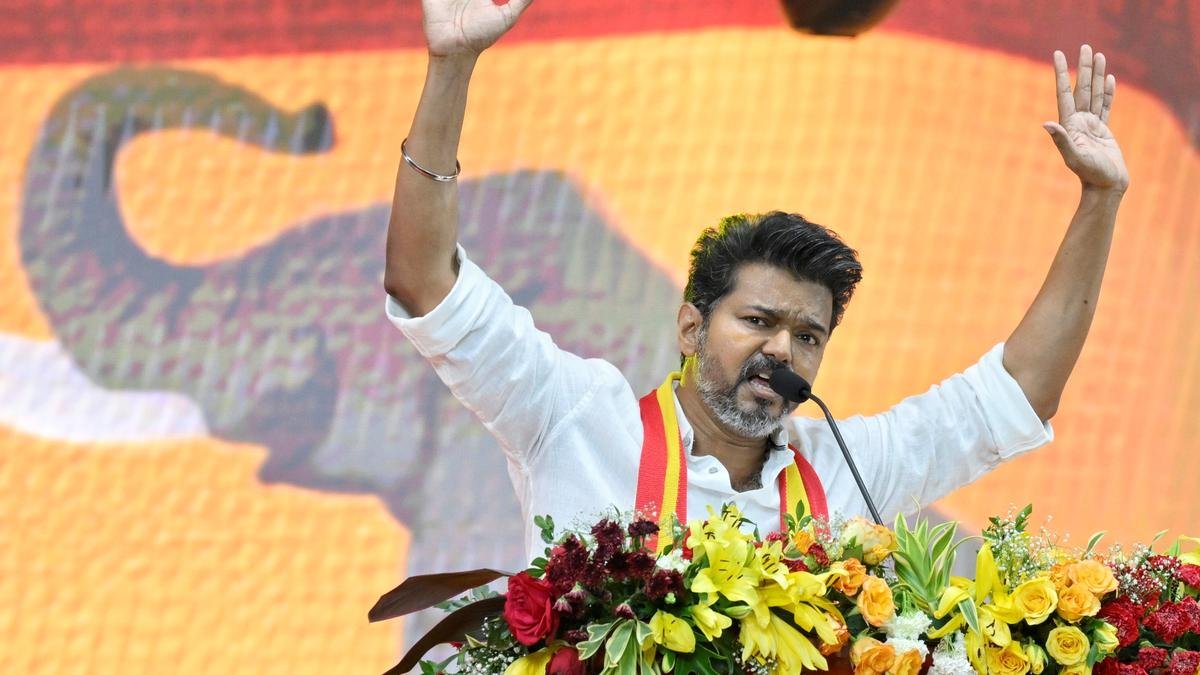
According to the latest data, Tamil Nadu Chief Minister Joseph Vijay ranks third on the national list, with substantial declared assets spanning real estate, investments, and long-term holdings. The report emphasises that these figures are based solely on legally mandated disclosures and do not imply wrongdoing or financial misconduct.
Key Findings from the Disclosure Report
- Wealth rankings were determined using the combined value of movable assets (cash, bank deposits, vehicles, jewellery, investments) and immovable assets (land, buildings, commercial property).
- The top positions are dominated by Chief Ministers from states with historically high land valuations and strong business-linked economies.
- Tamil Nadu’s Joseph Vijay stands out for his diversified asset portfolio and transparent declarations, which analysts say reflect a trend of high-value holdings among leaders from industrially advanced states.
Top 10 Richest Chief Ministers in India (Based on Latest Public Disclosures)
- Andhra Pradesh CM — Highest declared assets, largely from extensive landholdings and commercial properties.
- Karnataka CM — Strong presence of business-linked investments and inherited estates.
- Joseph Vijay, Tamil Nadu CM — Significant real estate assets, long-term investments, and declared personal holdings.
- Telangana CM — High-value agricultural and urban land.
- Punjab CM — Large agricultural estates and commercial ventures.
- Maharashtra CM — Urban property and business stakes.
- Haryana CM — Agricultural land and family-owned enterprises.
- Gujarat CM — Moderate but steadily growing asset base.
- Rajasthan CM — Heritage properties and rural land.
- Kerala CM — Modest but well-documented personal assets.
(Note: Rankings are based on publicly available affidavits; values may change with updated filings.)
Public Reaction and Expert Commentary
Political analysts note that the report has reignited debates on wealth transparency, accountability, and the socio-economic backgrounds of elected leaders. While high asset values do not indicate corruption, experts argue that consistent disclosure is essential for maintaining public trust.
Economists also highlight that Chief Ministers from states with booming real estate markets naturally appear higher on such lists due to land valuation trends rather than political influence.
Why These Disclosures Matter
- They help voters understand the financial background of their leaders.
- They promote transparency and reduce the risk of undisclosed conflicts of interest.
- They allow watchdog organisations to track changes in wealth over time.
Citizens’ groups have welcomed the report, calling for annual mandatory updates and stricter auditing of asset declarations across all levels of government.